
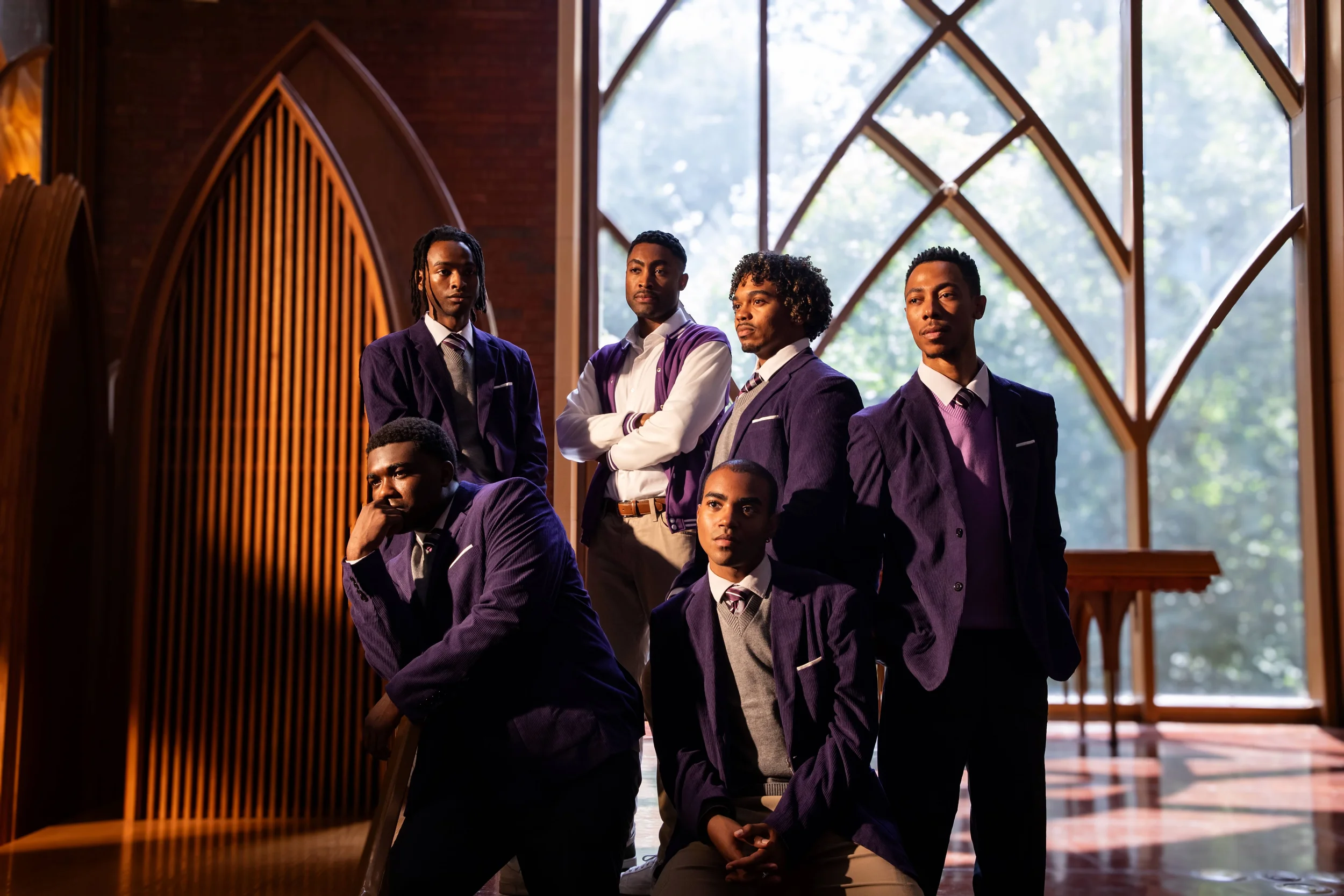
Actor’s Express Production Of ‘Choir Boy’ Defies The Constraints Placed On Black Queerness, Elevates Visibility
Actor's Express in Atlanta is producing Tarell Alvin McCraney's Choir Boy, running August 8-30, 2026. Actors Brandon L. Smith and Clinton Harris speak to how the play's music and story of a young queer choir leader mirror their own journeys as Black queer men. Director Amanda Washington, the theater's associate artistic director, says the production speaks to the time we’re living in, amid ongoing attacks on queer and civil rights, offering both comfort and a call to confront uncomfortable truths within Black families and communities.
A Visionary in Public Health and Black Queer Advocacy: The Louis Graham Virtual Roundtable
This final installment in the Louis Graham Virtual Roundtable series brings together Charles Stephens, Dr. Robert Aronson, and Dr. William Lopez to reflect on the late Dr. Louis Graham—a public health scholar, UMass-Amherst professor, and Morehouse School of Medicine alumnus who died suddenly in December 2019 before age 40. The panelists, who knew Graham as a mentee, doctoral advisee, and postdoctoral collaborator respectively, describe his groundbreaking research linking racism, mental health, and physical health outcomes among Black gay men, along with his hands-on, community-based participatory research approach that prioritized marginalized voices often left out of academic conversations. The discussion closes the roundtable series by honoring Graham as both an intellectually fearless researcher and a deeply generous friend whose sudden loss cut short a partnership—including his role in inspiring Stephens to found the Counter Narrative Project—that was poised for even greater impact.
“A Boss” and Champion for Health Equity and Marginalized Voices: The Louis Graham Virtual Roundtable
This second installment in the Louis Graham Virtual Roundtable series, hosted by Charles Stephens of the Counter Narrative Project in partnership with Morehouse School of Medicine (MSM), honors the legacy of the late public health researcher, UMass-Amherst professor, and MSM alumnus who died suddenly in December 2019. Panelists Stephens, Dr. Kisha Braithwaite, and Dr. Ugo Edu reflect on Graham's brilliance, his fearless advocacy against injustice, and his gift for translating public health research into accessible, community-centered knowledge. The discussion frames Graham's innovative approach to mental health disparities in Black and queer communities, along with his emphasis on relationship-building over transactional research, as a model of excellence for aspiring scholars and health equity advocates.
A Revolutionary & Inspiring Researcher: The Louis Graham Virtual Roundtable
This first installment in the Louis Graham Virtual Roundtable series brings together Dr. Lance McCready, Justin Smith, and Charles Stephens of the Counter Narrative Project to honor Dr. Louis F. Graham, a public health researcher and advocate for Black queer communities who died in December, 2019. The panelists trace Graham's journey from Carleton College through his MPH at Morehouse School of Medicine and DrPH at UNC-Greensboro, highlighting how he overcame intersecting barriers of racism, homophobia, and classism to build a research legacy of over 1,000 citations centered on Black transgender and queer communities. The discussion frames Graham as a fearless, community-driven scholar whose commitment to ground-up, culturally grounded research continues to shape and inspire public health scholarship today.
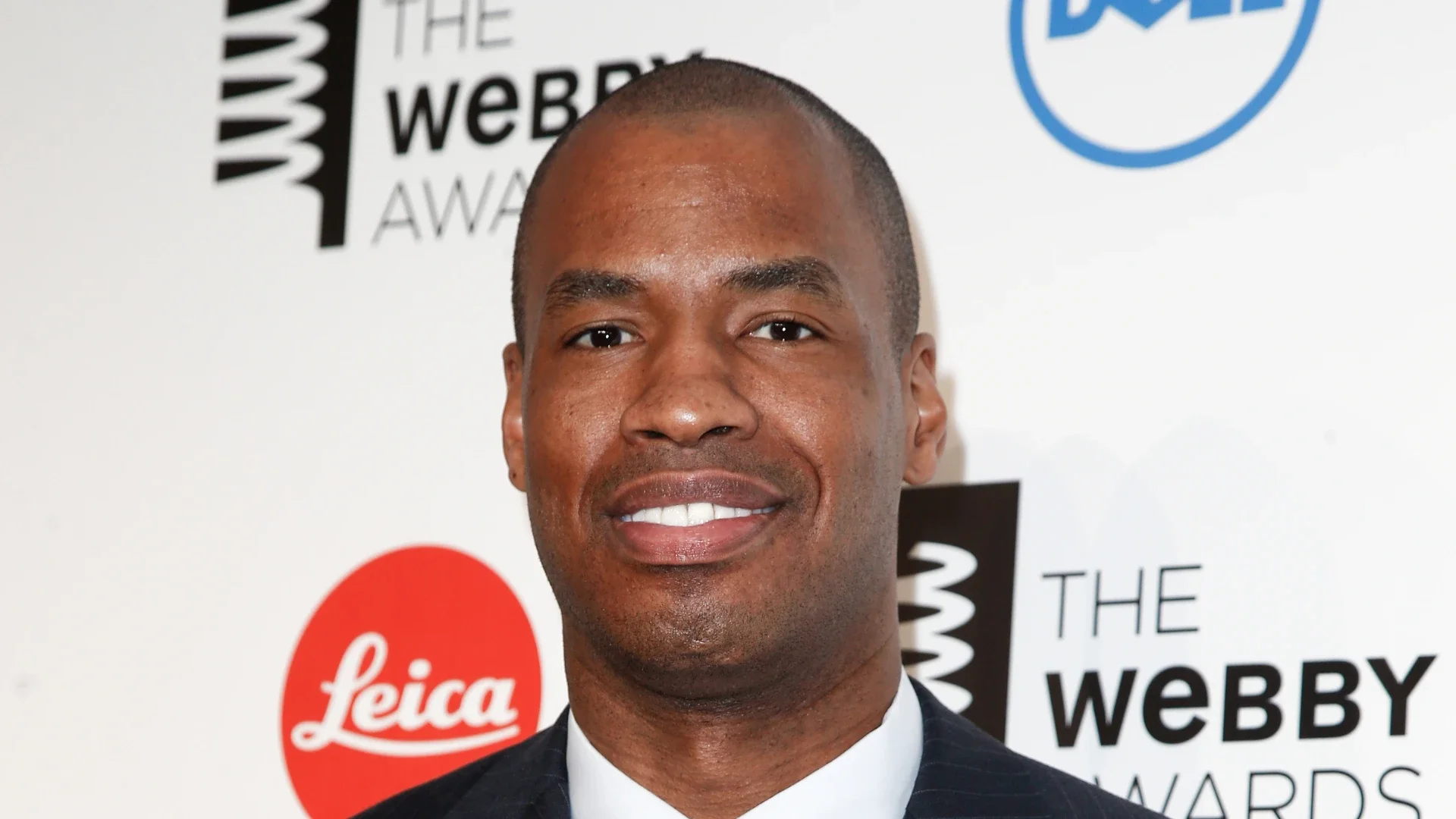
Culture Change Begins in the Locker Room: The Legacy of Jason Collins
Jason Collins broke barriers as the NBA's first openly gay player, but 13 years after his historic 2013 coming-out, not a single active player has followed his lead. As tributes pour in following Collins' passing, one uncomfortable question lingers: why has a league that celebrates Pride Month and punishes homophobic slurs failed to create a culture where gay players feel safe enough to be themselves? The answer reveals the stubborn gap between the NBA's progressive public image and the hyper-masculine locker room culture that still keeps "the last closet" door firmly shut.
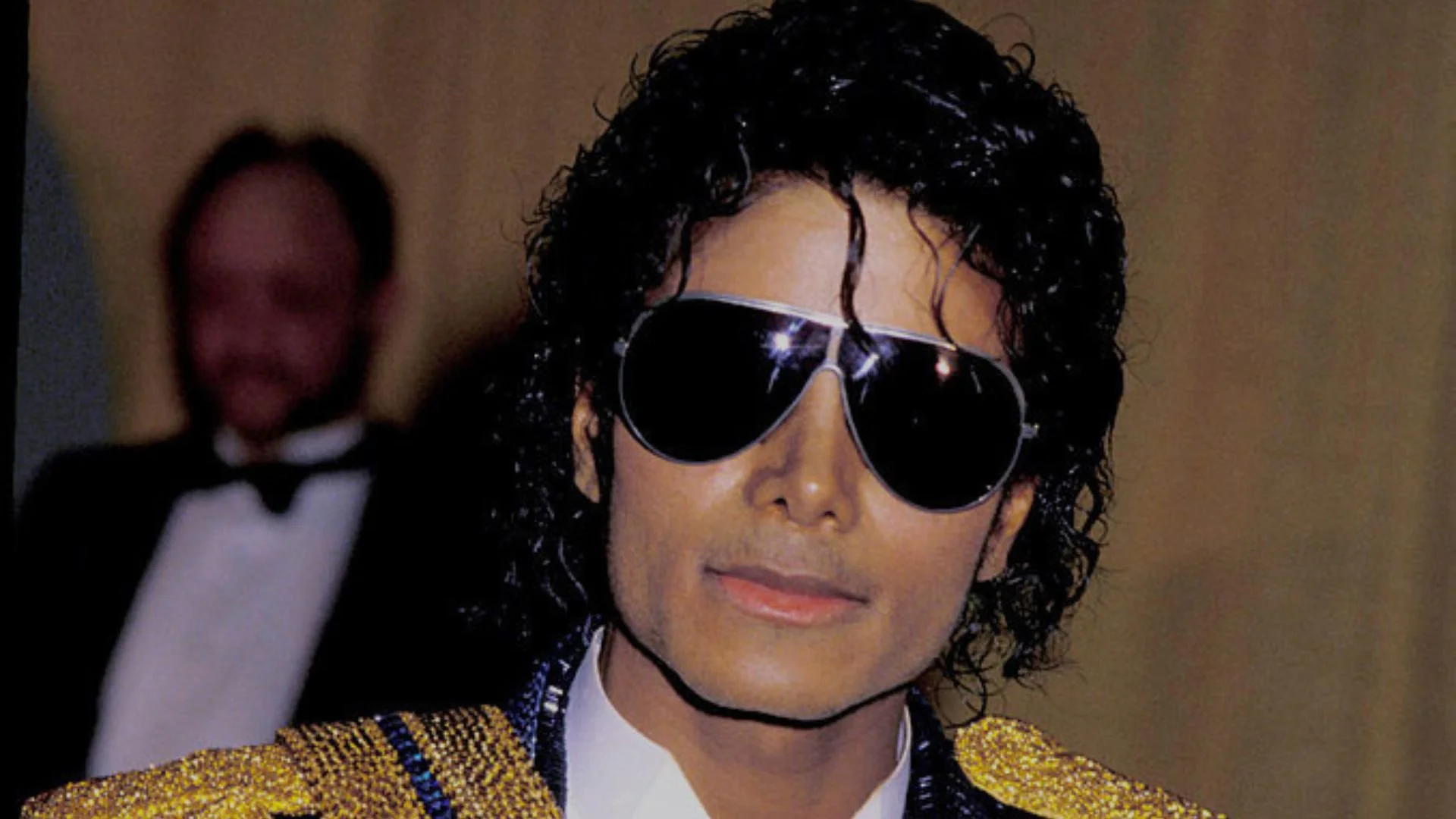
Michael Jackson's Legacy in the HIV Movement
Michael Jackson's humanitarian efforts extended beyond music into the HIV movement, likely influenced in part by his close friendship with activist and actress Elizabeth Taylor. Through benefit concerts, charitable donations, and public advocacy, Jackson used his platform to combat stigma and raise awareness during one of the most critical periods of the epidemic. His contributions left a quiet but meaningful mark on the fight against HIV.
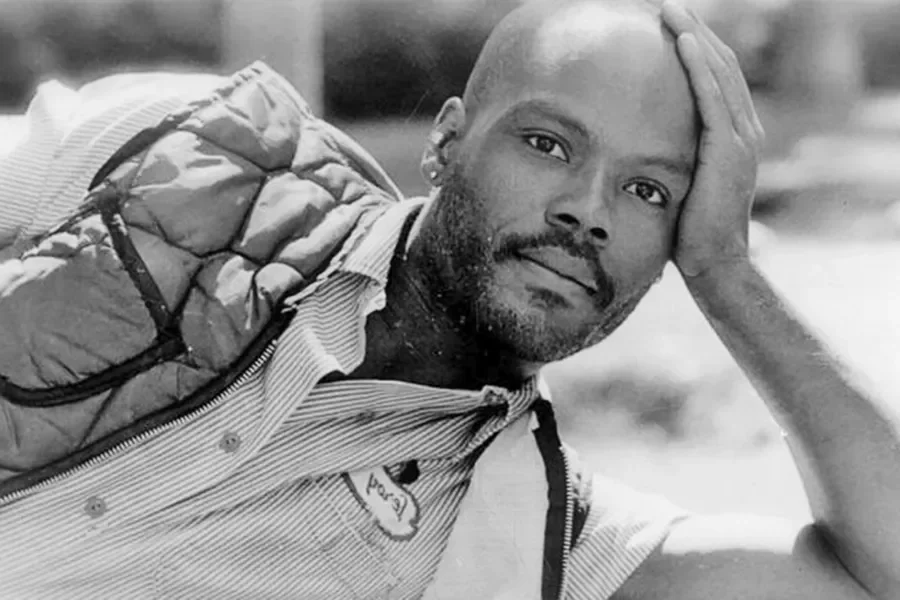
Finding My Path, In the Life
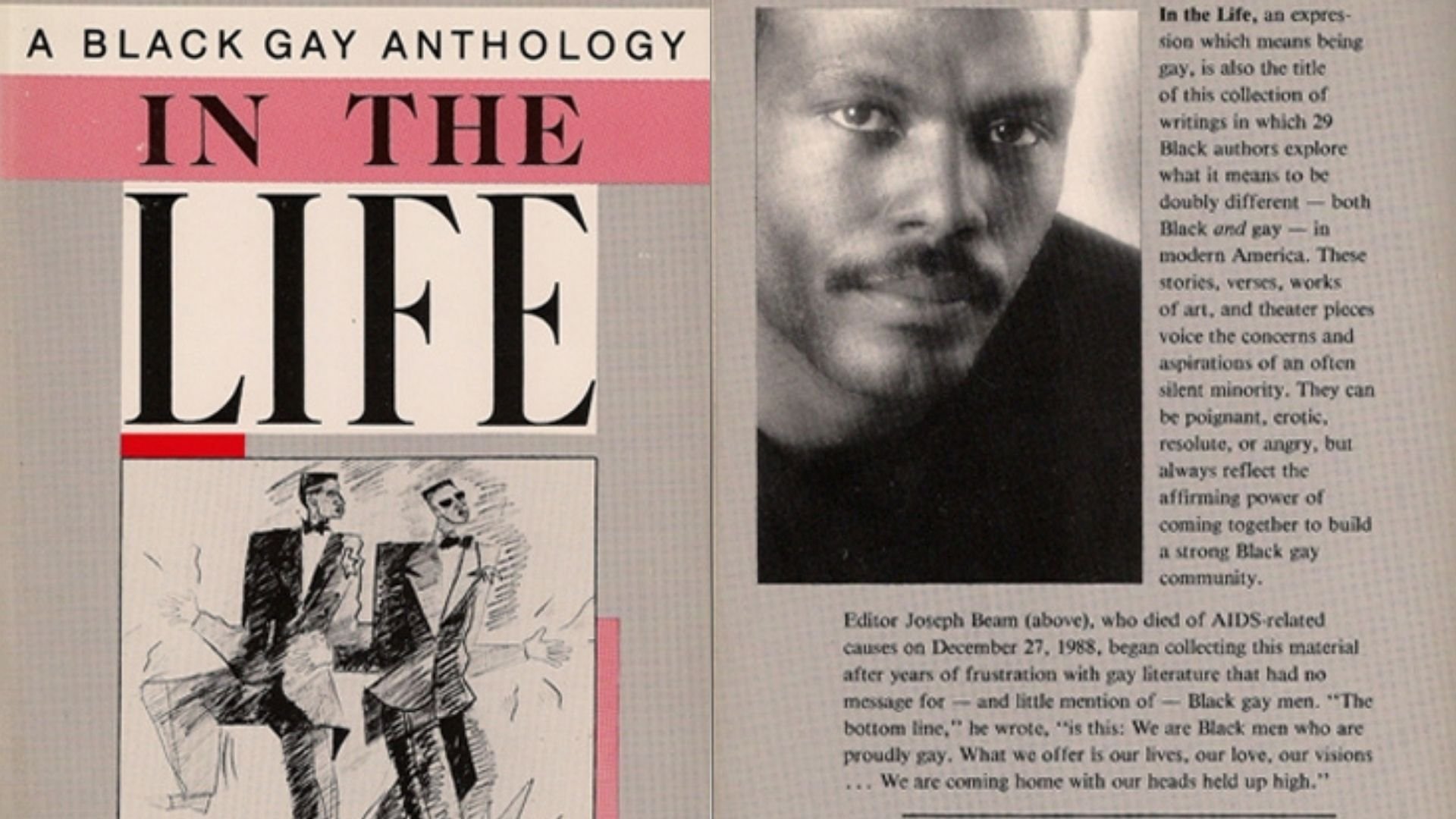
That volume, which I spotted on the shelves of the Glad Day Bookstore in Boston, was Joseph Beam’s In the Life: A Black Gay Anthology, and the front cover image, featuring two fly brothers drawn by Deryl Mackie, and its back cover photo of a very beautiful, dark brown man, Joseph Beam himself, along with a description of the book’s contents and Beam’s rationale for producing the book, were akin to me finding the most precious and life-giving essence I had long dreamt of. In fact, that back cover précis pointed out that Beam “began collecting this material after years of frustration with gay literature that had no message for--and little mention of--Black gay men.”
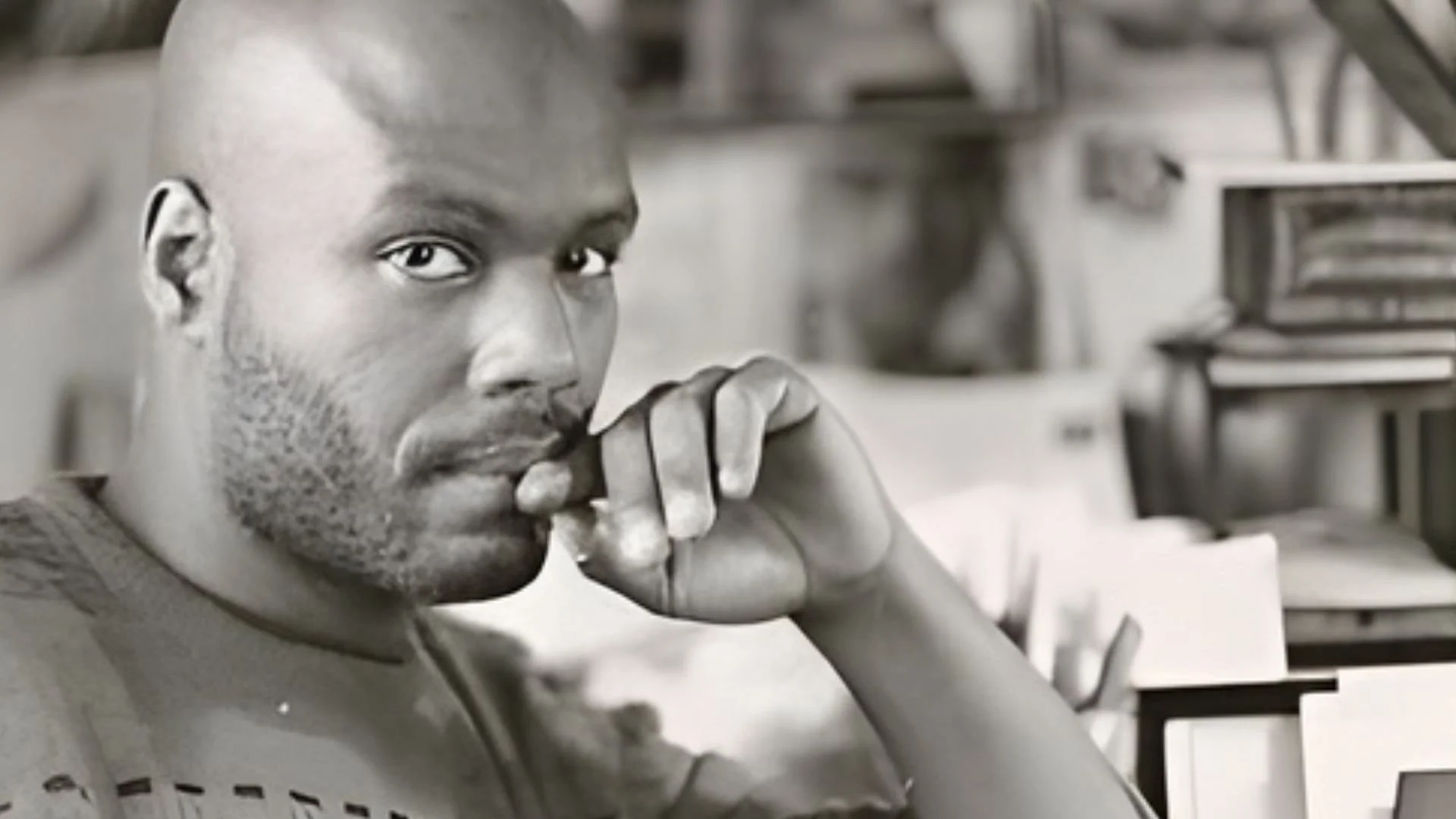
The Future Joseph Beam Imagined
During the late 1980s, Beam wrote as if time were leaking, when to be Black and gay was to live inside a series of narrowing spaces: within a country that congratulated itself on progress while perfecting new forms of racial abandonment; within Black communal spaces that guarded masculinity like a border; within gay worlds that mistook whiteness for universality.
Trailblazers: Joe Beam, Dorothy Beam, and the Dawn of Black Queer Publications
When writer Joseph Beam published In the Life: A Black Gay Anthology with Alyson Publications in 1986, he helped usher in a new era of Black lesbian and gay publishing. This moment marked the rise of journals, magazines, newsletters, pamphlets, and zines created in the United States and the Caribbean. After Joe passed away just two years later, that work didn’t slow down. In fact, it expanded.
Revisiting Dr. David Malebranche's Open Letter To Oprah Winfrey About ‘Down Low’ Black Men
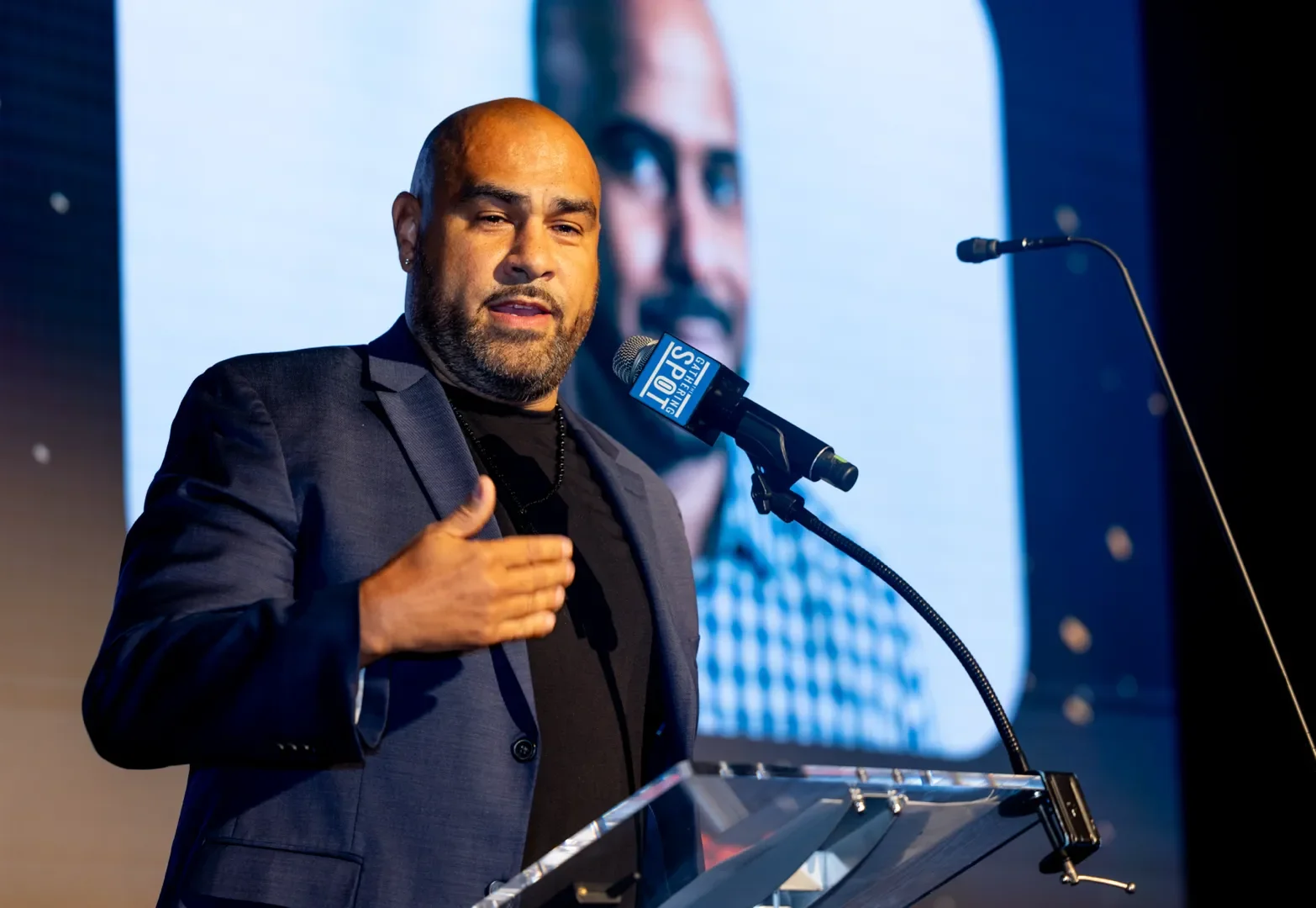
“As one of the most powerful human beings this country has seen in the past 30 years, and someone whose show I grew up watching, it would be nice if you realized your influence and took more personal responsibility for the quality of your shows that address serious topics like HIV in the Black community.” - Dr. David Malebranche
Carrying on in Paradise: Reflections on The Paradise Garage Reunion 2025 at Xanadu, NYC
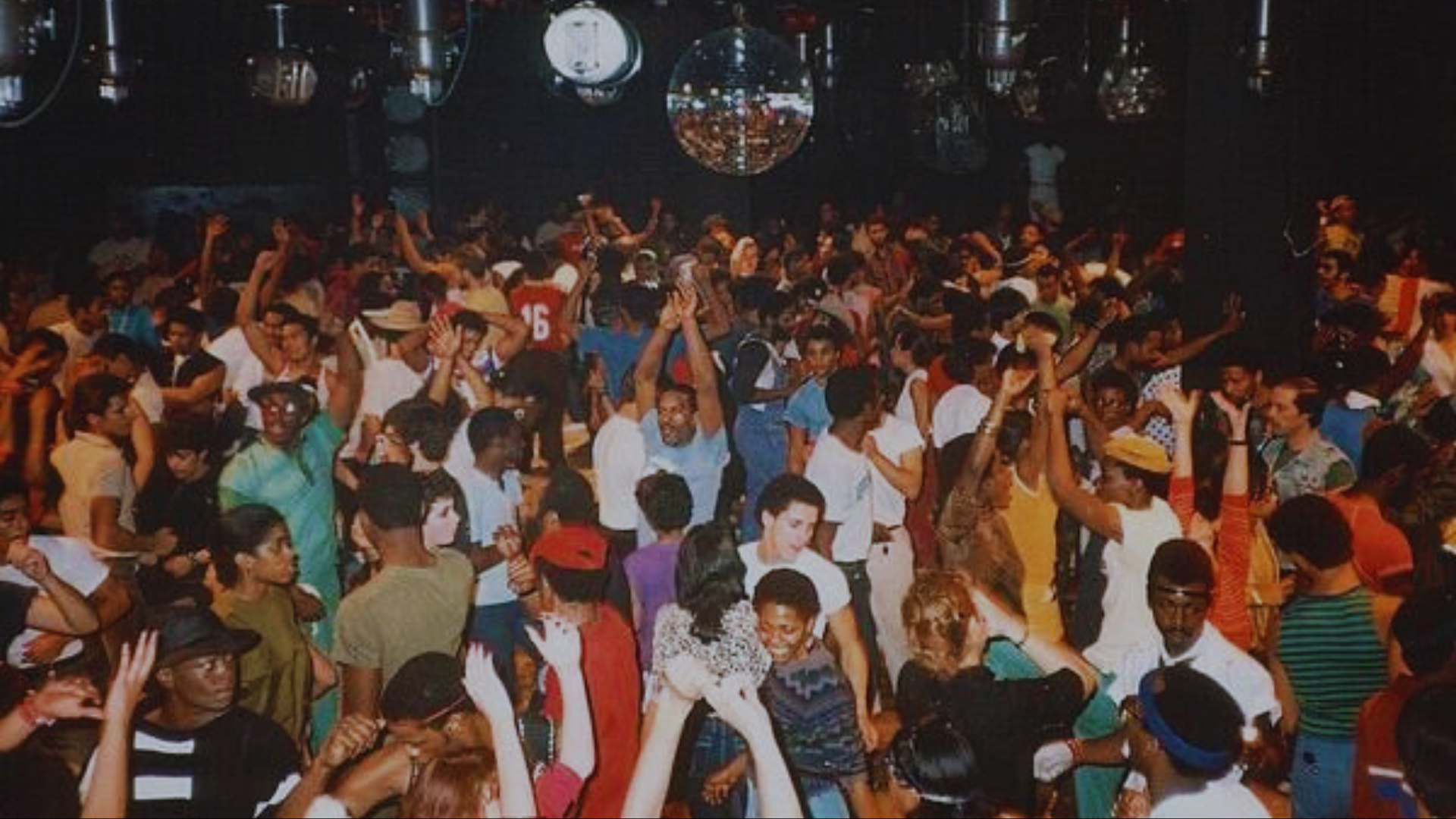
At the 2025 Paradise Garage Reunion at Xanadu in Brooklyn, writer Craig Washington joins fellow “Garageheads” to celebrate the legendary club’s enduring legacy. Through an intimate interview with original resident DJ and reunion co-organizer David Depino, the piece explores how the gathering has evolved into both a multigenerational dance floor and a living memorial to those lost to HIV.

Breaking Barriers: Black Men Navigating Higher Education
On this episode of The Reckoning, host Dr. Deion Hawkins sits down with guest Dr. Lance T. McCready for an honest conversation about what it truly means to break barriers as Black men in higher education.

'Demascus': The Revolution Will Be…on Tubi?!
Tubi’s “Demascus” upends TV norms, blending sci-fi, comedy, and therapy to deeply explore Black masculinity and vulnerability. Writer, Josha Alston, argues that the show is a fresh, essential vision for Black storytelling, revealing how real revolution comes when platforms dare to center authentic voices and complex emotional journeys.

In Remembrance of Jubi Arriola-Headley
William Johnson, the Director of PEN America’s Florida office, writes this tribute to poet Jubi Arriola-Headley.

The Philanthropic Paradox of The Red Dress Run
The Red Dress Run in New Orleans is famous for its spectacle, but its true impact and meaning for the Black queer community remain complex and deeply debated. Dr. Deion Hawkins explores how visibility, philanthropy, and Black queer joy intersect, and sometimes collide, at one of the city’s most colorful events.
Learning from Laverne: What to do with Black queer generational divides?
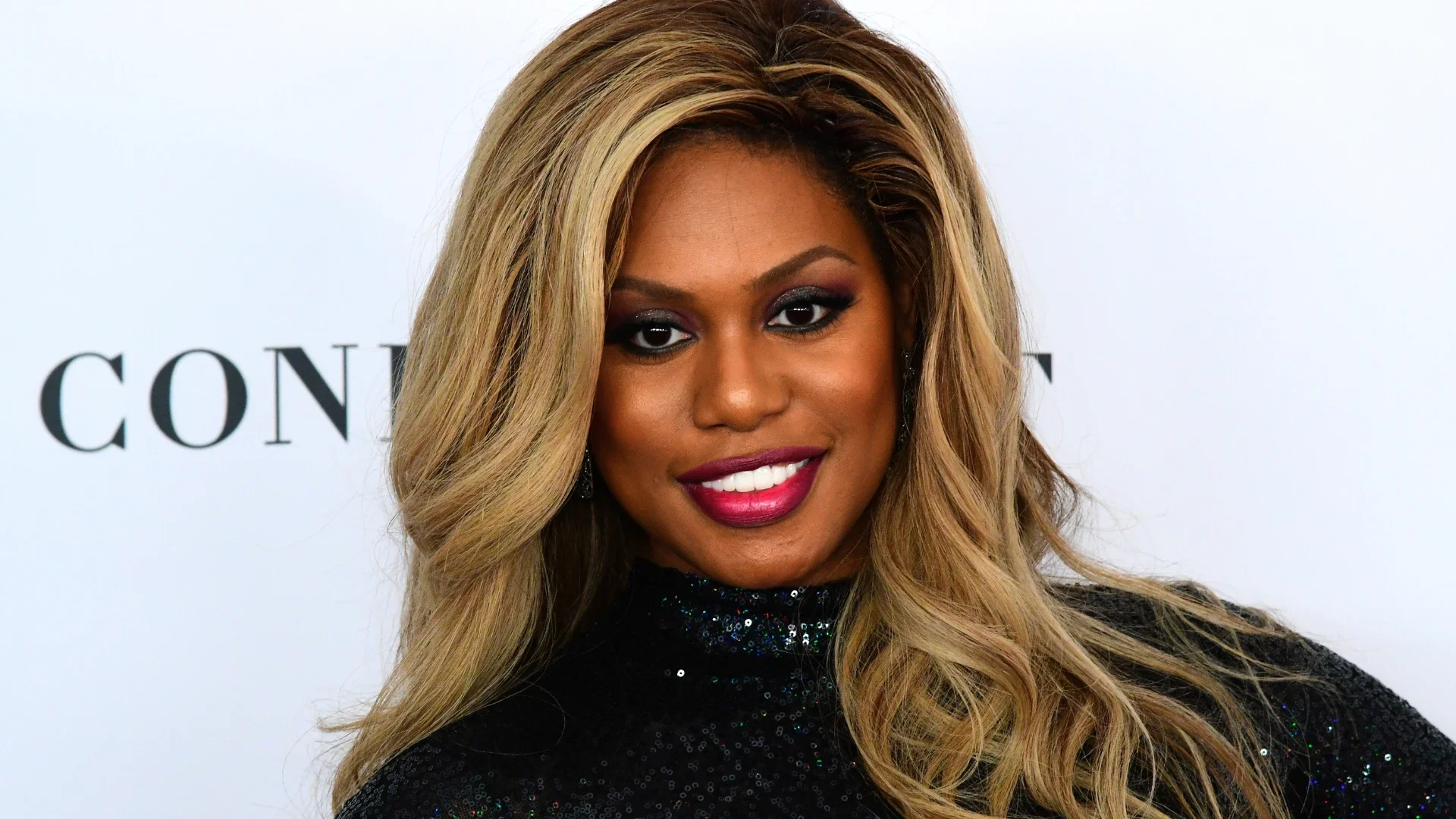
Laverne Cox’s viral confession sparks a vital call for nuanced, intergenerational dialogue on accountability and history in Black queer communities, beyond quick criticism or shame.
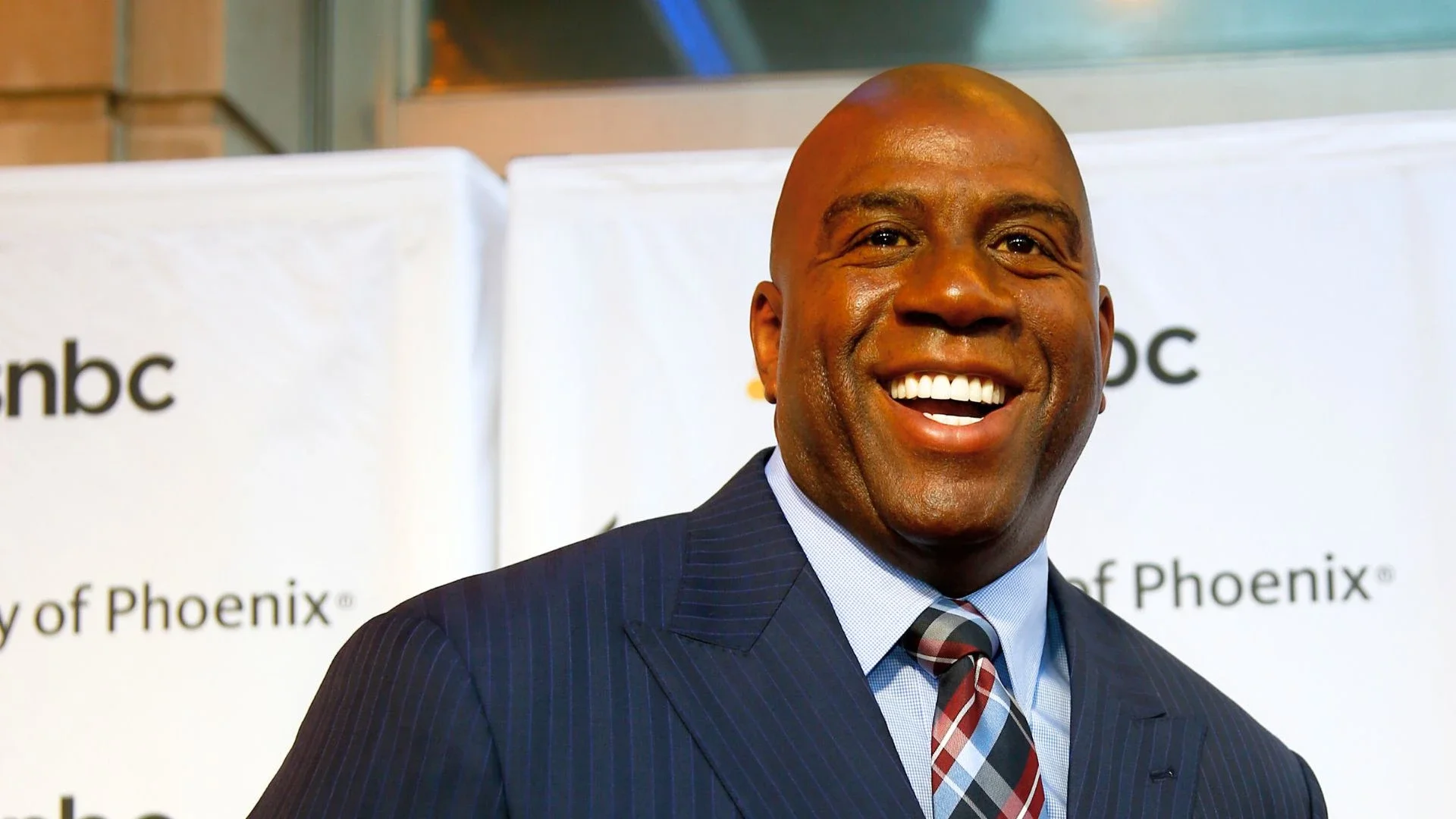
From NBA Star to HIV Icon: Magic Johnson Changed the Narrative and Revealed Black Reality
Magic Johnson celebrates 66 years of life as a person with HIV, a testament to medical progress, while highlighting persistent disparities facing Black gay men who still bear the epidemic's heaviest burden despite available treatments.
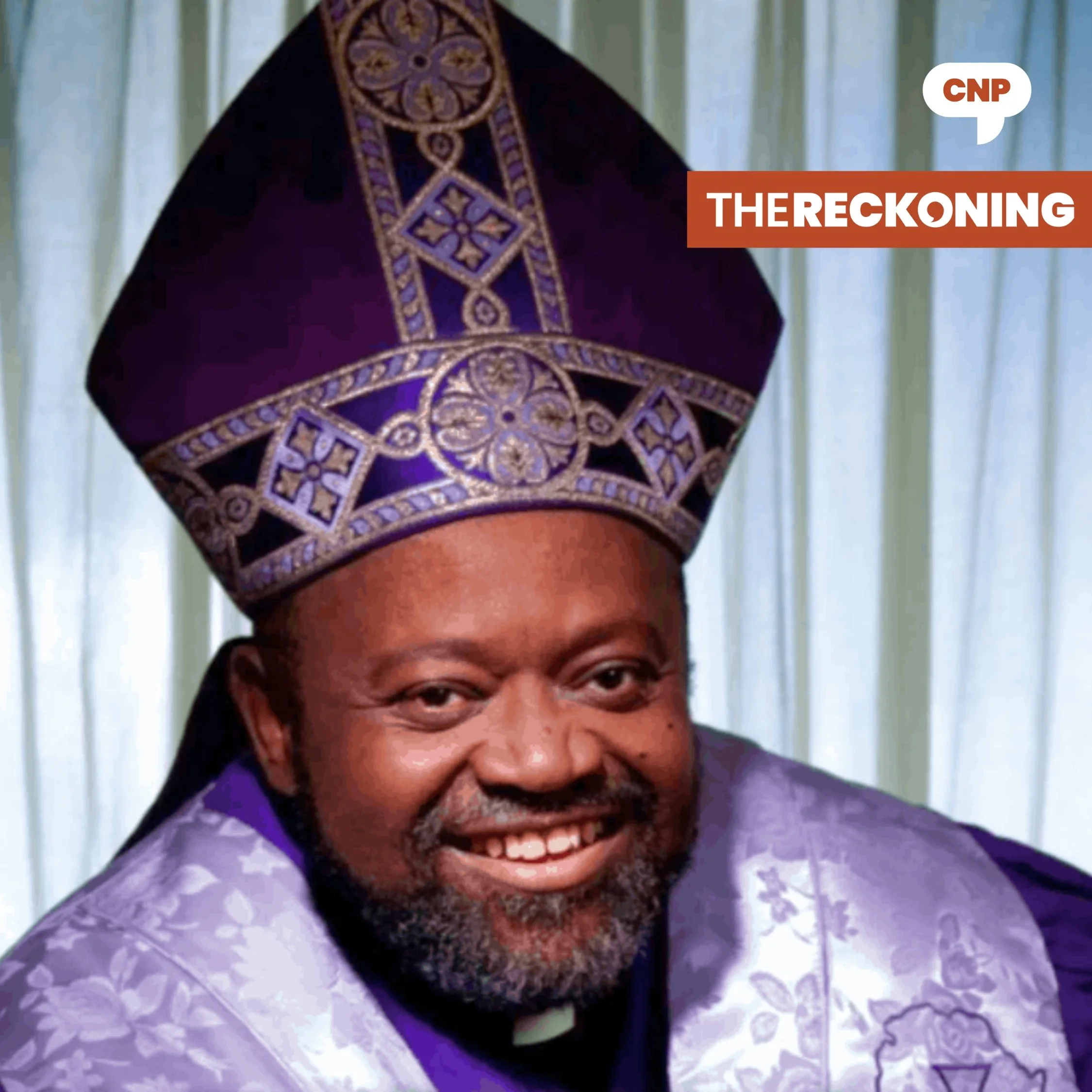
Archbishop Carl Bean on Faith, Music, and HIV Activism
Recorded in January 2021, Archbishop Carl Bean, spiritual leader, HIV activism pioneer, and the voice behind 1977’s “I Was Born This Way,” recounts his journey from gospel stages and Motown to founding Unity Fellowship and ministering through the HIV crisis of the 1980s and 1990s. It’s a candid, joy-filled reflection on faith, music, and queer Black liberation that turns history into a call to love openly and live unapologetically.

Context Is Key: 4 Things To Consider When (Accidentally) Sexualizing Keith Lee
When Keith Lee’s fitness video drew sexualized comments from some men, his response highlighted a broader tension over how Black men’s bodies are policed online. Dr. Deion Hawkins argues that attraction isn’t the issue; the issue is harassment, and true queer-straight solidarity requires respecting boundaries and allowing all Black men to be carefree.

Live, Laugh, Secret Love
Mr. Loverman is a quietly stunning drama about a 74 year old Antiguan-born British patriarch who has hidden a decades-long same-sex affair with his best friend and soulmate. The story of love, regret, and longing, inside the glass closet, is told through theatrical storytelling and remarkable performances.