‘The Talk’ I Didn't Expect to Have
My phone was already dialing before I fully knew what I was going to say.
Sidney, my 20 year-old son was on campus, probably walking between classes, definitely not expecting me to call him mid-day with anything urgent. I didn't ease into it.. I just said, "Hey. Have you ever heard of PrEP?"
Silence. Then followed by an inquisitive tone: "No?"
I hadn't always known about PrEP either. I came to it slowly, almost by accident, through work that put me in rooms and supporting organizations like CNP (Counter Narrative Project) as they amplify HIV prevention advocacy. I started reading the articles. Subscribing to the newsletters. Learning a language I'd never known. I am a heterosexual woman, married to a heterosexual man, and for most of my life, conversations about PrEP simply weren't mine to have. Or so I thought. But the more I read, the more I understood that PrEP has widely been marketed to same sex couples and not necessarily pushed to the traditional, straight, Black woman.
Are you reading this with the shared lack of knowledge about PrEP? It’s okay because you’re here now. PrEP is a medication that can prevent the transmission of HIV, available as a daily pill or, now, as a shot administered every six months. And the moment I understood what it was, I had one thought that wouldn't let go of me: more young people need to know this exists. The lack of awareness is what charged me to inform my college student to simply start there.
“Our kids are going to navigate their health, their bodies, and their choices with or without us. I’d rather my son walk into that world with one more tool than he had before I picked up the phone.”
Think about what it means to be in your true young adult, formative years. You're figuring out who you are. You're figuring out who you're attracted to, what your own sexual health even looks like when nobody possibly sat you down and mapped it out for you. And honestly, I believe that all young people should have full autonomy in who they desire, but it does take mature adults to step in to provide accurate information in navigating a more adult-lifestyle. Now imagine having a tool like this in your back pocket during those years, not as a last resort, but as basic knowledge, the way you'd know to wear a seatbelt or wash your hands. I couldn't stop imagining what that access could have meant for someone at that exact age. So I picked up the phone.
The moment when I called Sidney to tell him what PrEP was, I didn’t know how he’d receive the call but I’m grateful that he heard me out. I informed him how it worked, the two ways it could be taken. And his reaction was priceless. He was genuinely stunned that protection could require the kind of consistency that looks like a daily pill, or committing to a shot on a six-month schedule.
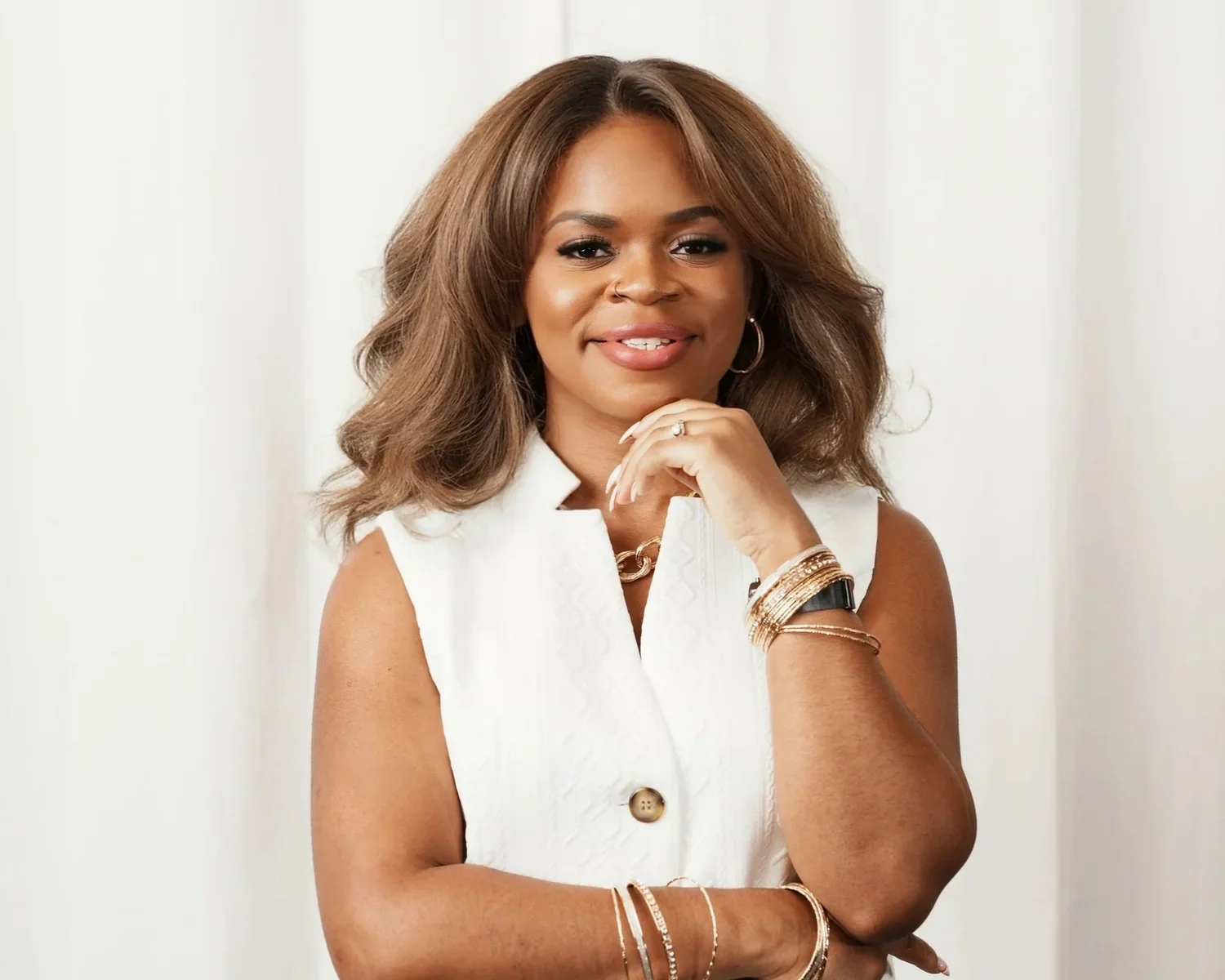
Sidney Keys III and his mother Winnie Thompson (Image courtesy of subject)
Sexual Health Is a Discipline, Not a Single Choice
And that's when the conversation really opened up, because I got to tell him something I don't think he'd ever considered: women do this constantly. We manage our bodies on schedules, daily pills, monthly cycles, appointments we don't skip, decisions we make quietly and consistently, year after year. Protecting your health isn't a single choice you make once. It's a discipline. It's a relationship with your own body that you have to keep showing up for. Watching that land with him, watching him recalibrate what responsibility for your own health actually looks like, was worth every bit of the awkwardness of that call. And don’t get me wrong, we had some laughs. It may have been layered in nervousness from the both of us, but also it was truly hilarious from my perspective as he was processing: why is my mom calling me about this? Is this a prank? I have to talk to her about sexual health…again?
“Protecting your health isn’t a single choice you make once. It’s a discipline. It’s a relationship with your own body that you have to keep showing up for.”
I won't pretend that conversation was smooth. It wasn't rehearsed, it wasn't perfectly timed for him but it was intentionally timed for me as I wanted to ensure he had my full attention with no interruptions from my work or his 4 year old sister. As intentional as I was about this call, I was equally honest. I shared some of my health scares from my early twenties. I shared perspective on how important it is to protect yourself no matter what someone tells you because words and action are two different things. Yes this was scary for me, but I decided that my discomfort mattered less than his access to information I could’ve used at his age.
So here's what I want other parents to sit with: you don't need a crisis to have this conversation. It also helps to be proactive than reactive. Get ahead of it. And informing your children won’t break any morals you’ve taught them. In fact, I believe it prepares them to look out for their peers in a way that’s incomparable. Learn the language yourself if you have to. Read the newsletter. Ask the awkward question. Make the call.
Our kids are going to navigate their health, their bodies, and their choices with or without us. I'd rather my son walk into that world with one more tool than he had before I picked up the phone.