
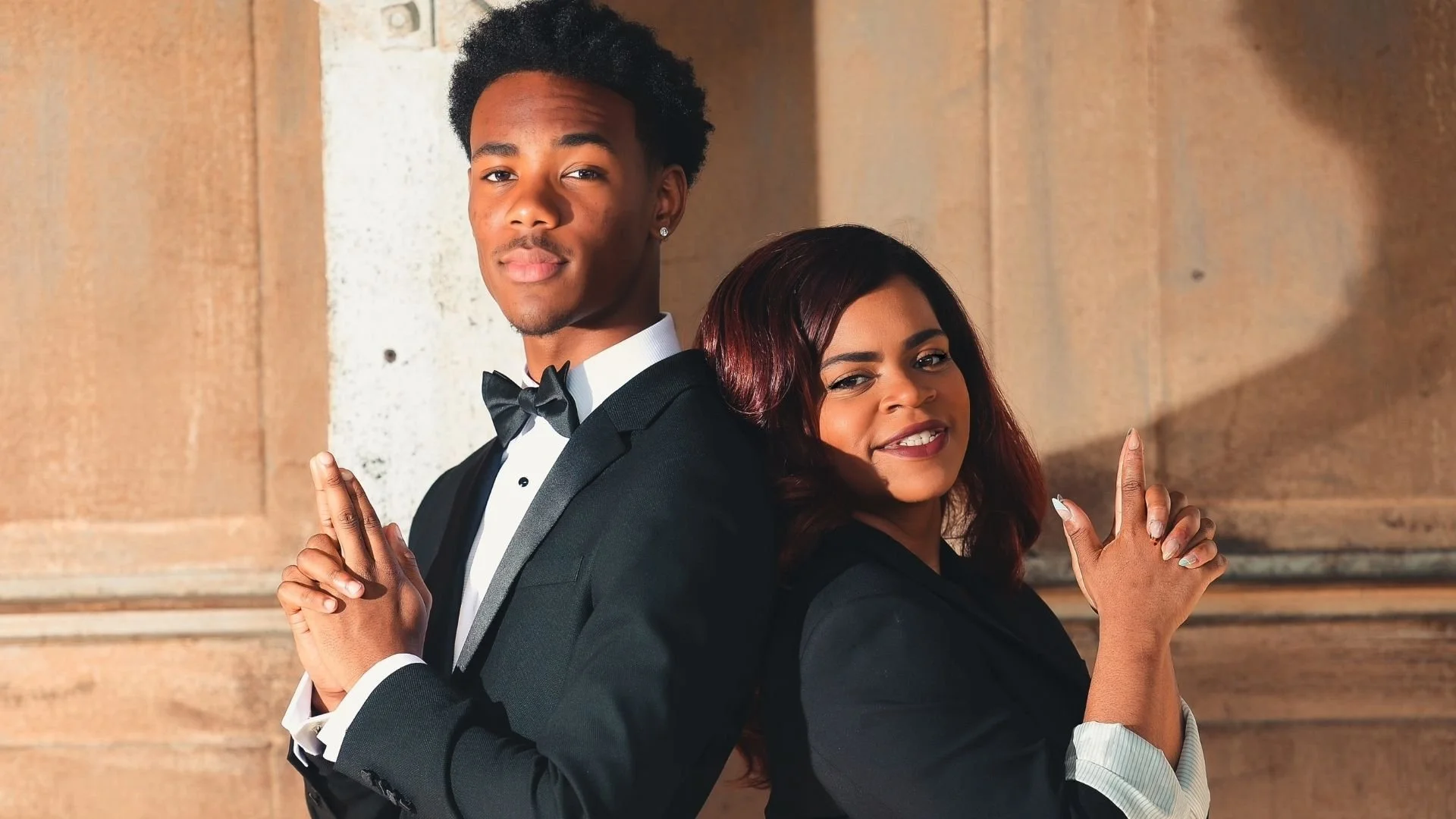
How An Open Talk About PrEP Transformed a Mother-Son Bond into Advocacy
When Winnie Thompson called her 20-year-old son, Sidney Keys III, to talk about PrEP, his initial reaction was what did an HIV prevention drug have to do with him; a straight, Black college student? Because of his mother’s commitment to harm reduction and open dialogue, that unexpected phone call challenged his widespread assumption that HIV awareness is meant for someone else.
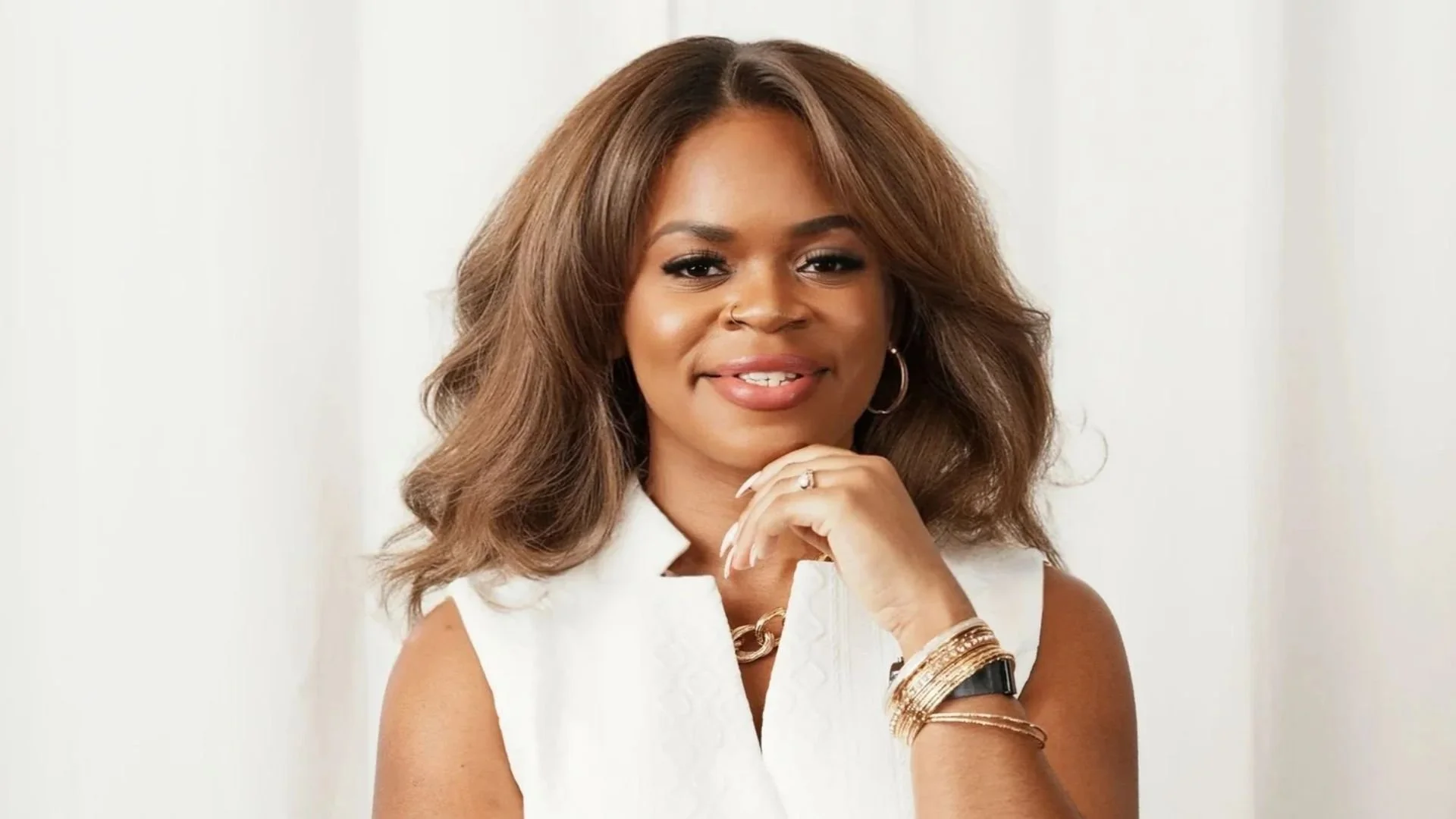
‘The Talk’ I Didn't Expect to Have
When Winnie Thompson dialed her 20-year-old son between classes to ask if he had ever heard of PrEP, she had no script. She only had the conviction that her own discomfort mattered far less than his access to life-saving information. Reflecting on that unprompted phone call, Thompson challenges the demographic blind spots in HIV prevention marketing and reframes sexual healthcare from an awkward taboo into a routine discipline of personal responsibility.
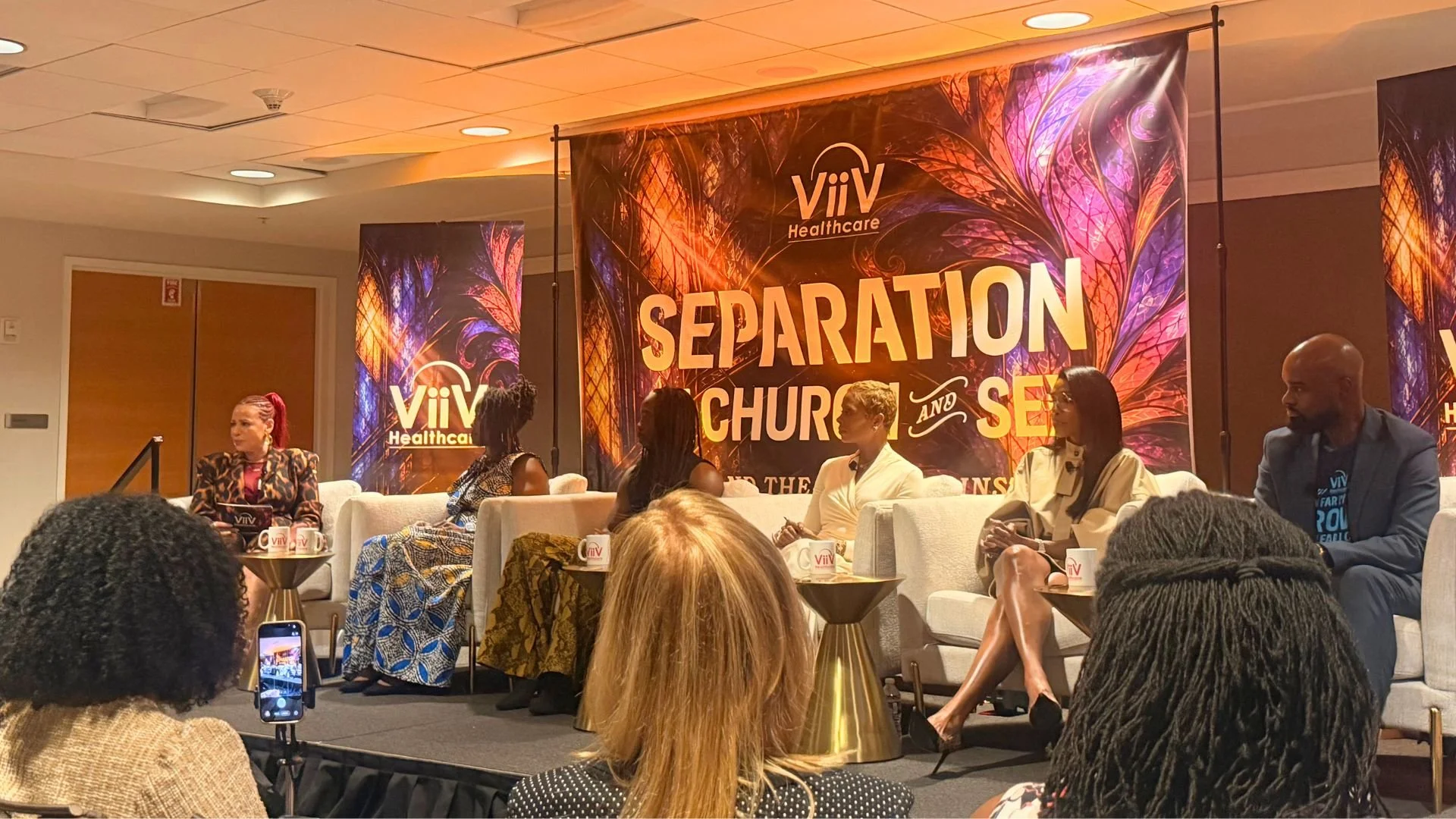
The Black Church Is a Place of Healing. Why Is HIV Still So Hard to Talk About?
Where HIV is concerned, the culture of silence and moral shame within the Black church remains entrenched. ViiV Healthcare convened the panel “Separation of Church & Sex: Faith and the Fight Against HIV” at the National Association of Black Journalists convention in Atlanta, where clinicians, theologians, and advocates issued a call to faith leaders to treat HIV not as a moral failing, but as a public health crisis.
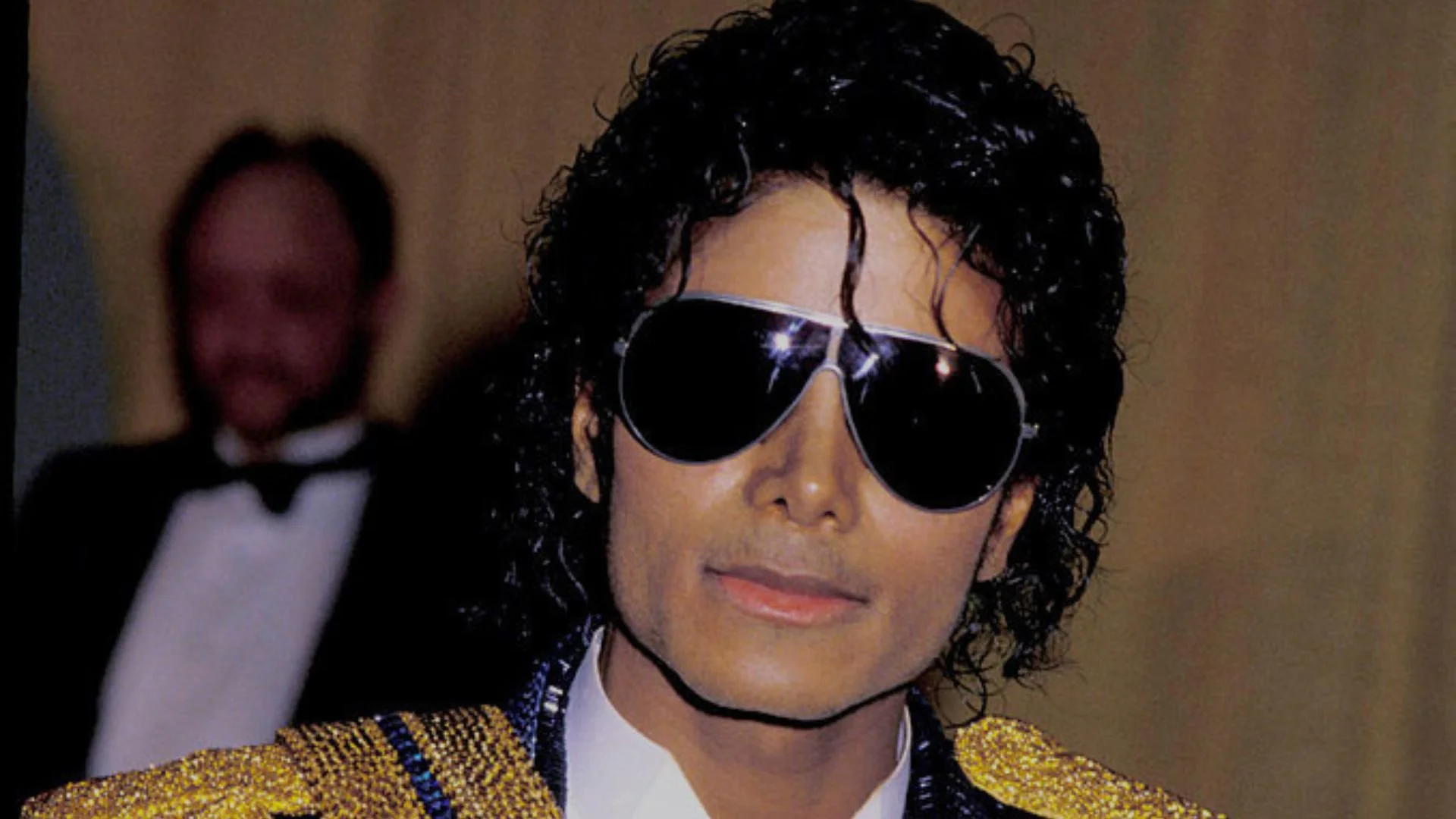
Michael Jackson's Legacy in the HIV Movement
Michael Jackson's humanitarian efforts extended beyond music into the HIV movement, likely influenced in part by his close friendship with activist and actress Elizabeth Taylor. Through benefit concerts, charitable donations, and public advocacy, Jackson used his platform to combat stigma and raise awareness during one of the most critical periods of the epidemic. His contributions left a quiet but meaningful mark on the fight against HIV.
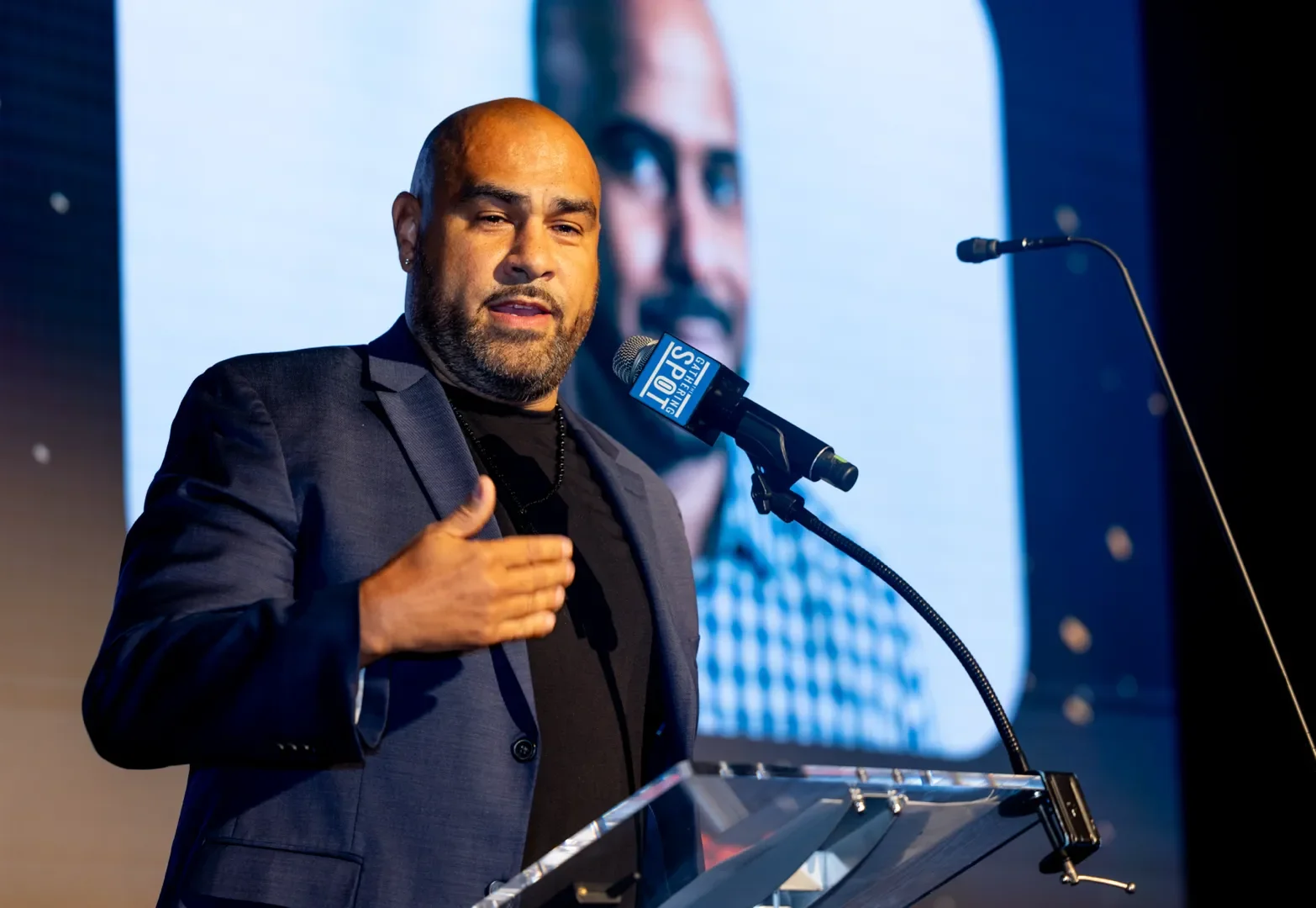
Revisiting Dr. David Malebranche's Open Letter To Oprah Winfrey About ‘Down Low’ Black Men
“As one of the most powerful human beings this country has seen in the past 30 years, and someone whose show I grew up watching, it would be nice if you realized your influence and took more personal responsibility for the quality of your shows that address serious topics like HIV in the Black community.” - Dr. David Malebranche
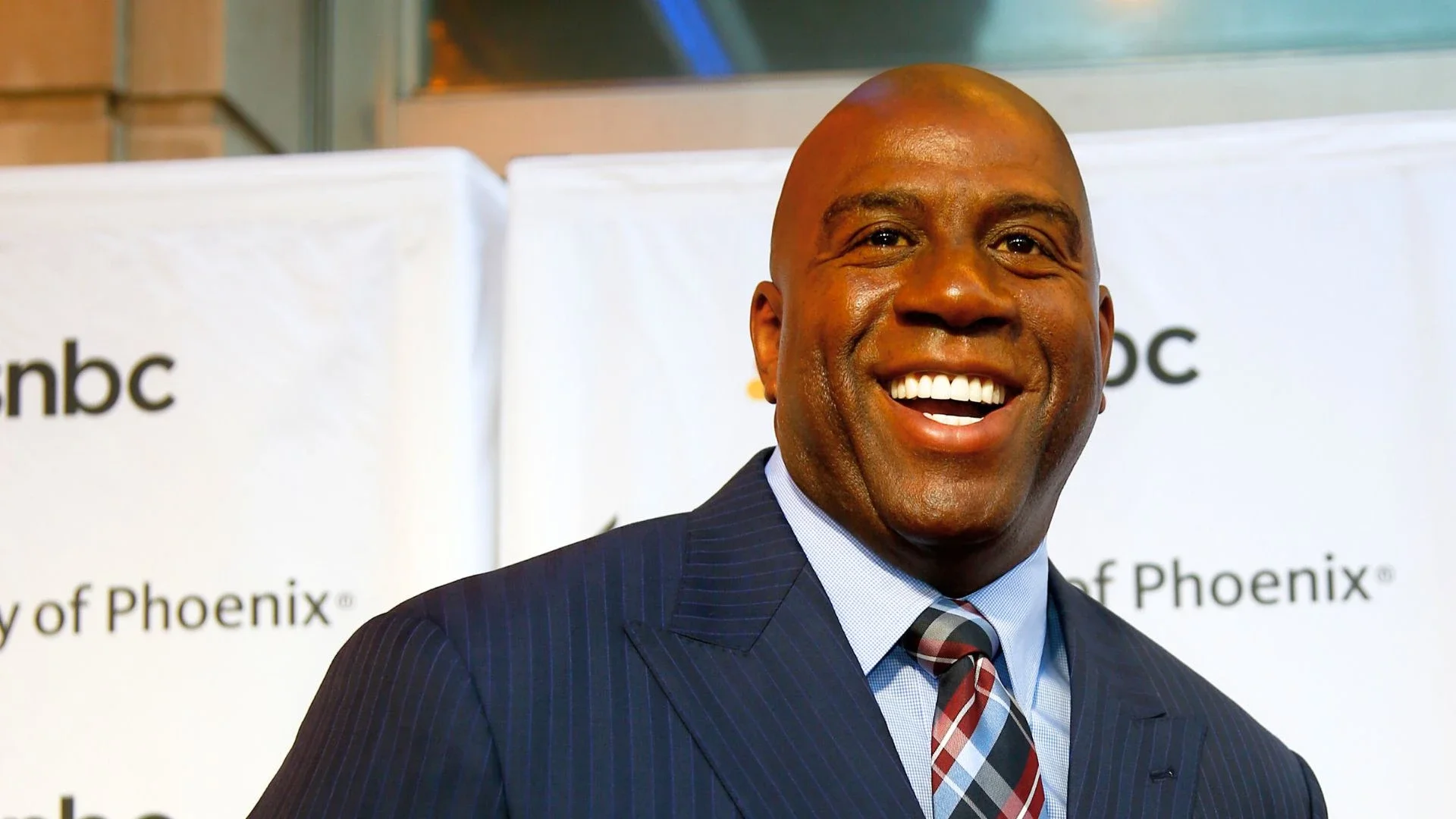
From NBA Star to HIV Icon: Magic Johnson Changed the Narrative and Revealed Black Reality
Magic Johnson celebrates 66 years of life as a person with HIV, a testament to medical progress, while highlighting persistent disparities facing Black gay men who still bear the epidemic's heaviest burden despite available treatments.
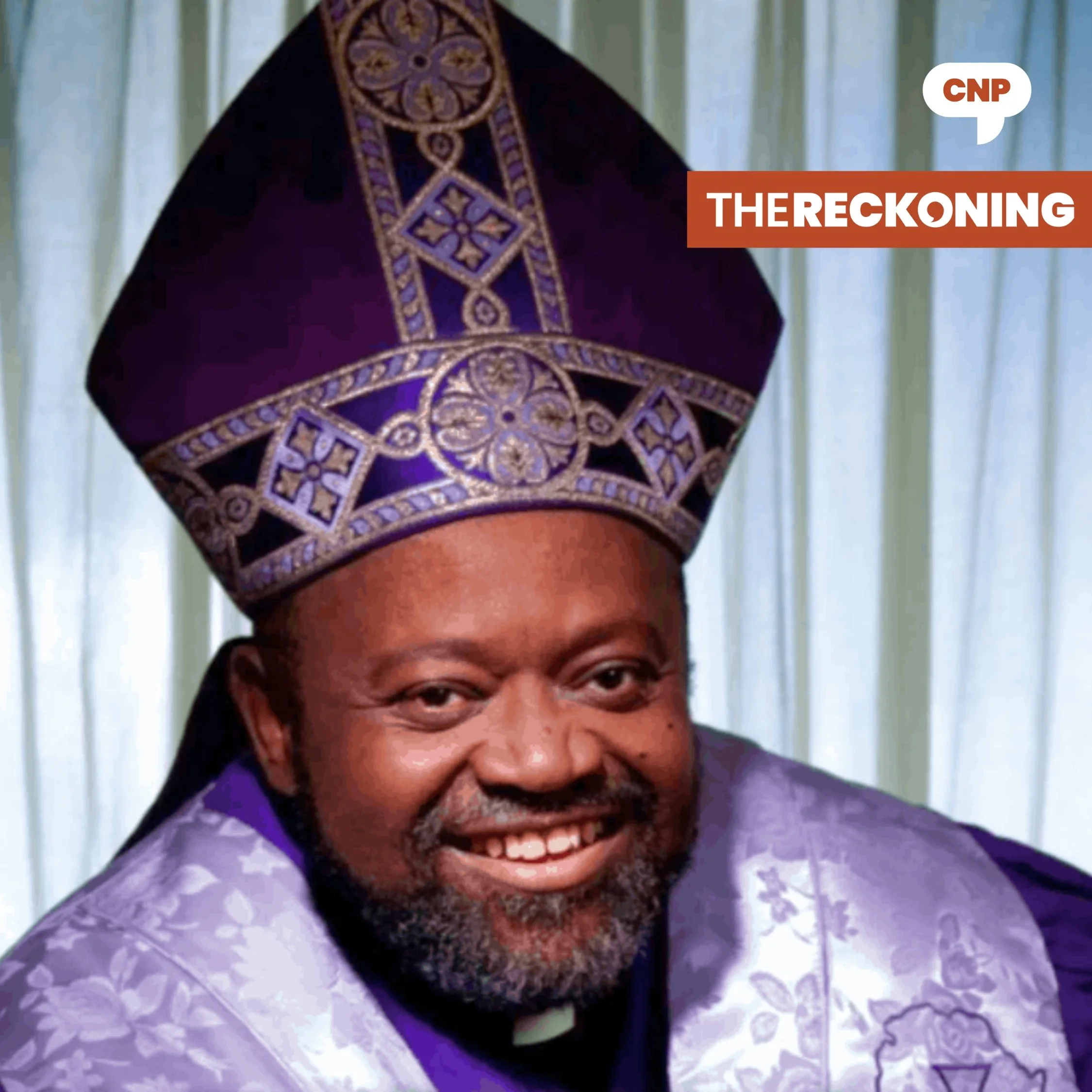
Archbishop Carl Bean on Faith, Music, and HIV Activism
Recorded in January 2021, Archbishop Carl Bean, spiritual leader, HIV activism pioneer, and the voice behind 1977’s “I Was Born This Way,” recounts his journey from gospel stages and Motown to founding Unity Fellowship and ministering through the HIV crisis of the 1980s and 1990s. It’s a candid, joy-filled reflection on faith, music, and queer Black liberation that turns history into a call to love openly and live unapologetically.

Rethinking Condom Use in HIV Prevention
Condom use among young Black gay men is declining as fear of HIV fades, PrEP access lags, and risk is underestimated. This is raising concerns about rising HIV diagnoses and highlighting the urgent need for renewed dialogue and targeted prevention.

Bridging The Ivory Tower: Spotlighting Significant HIV Research
As an academic, I was aware of numerous groundbreaking studies and scientific advancements related to HIV. Yet, even those actively involved in HIV advocacy outside academia were largely unaware of this research. This urgency drives me to bridge the gap between research and practice, to ensure that the brilliance of research is not confined to the Ivory Tower.

An Unfortunate Perfect Storm: We Need To Talk To Gen Z about HIV
Despite waning attention, HIV is still around, and most new cases are found in gay men ages 13-34. Of note, we know Gen Zers are between the ages of 13-27. Thus, an unfortunate and impactful storm is brewing, but we must predict the weather and prepare.

The Elephant In The Room: The Real Issue With Molecular Surveillance; No Trust In The Medical Establishment
In October of 2023, a coalition representing 110 networks of people living with HIV met to discuss a deep-rooted but under-discussed issue in HIV advocacy - molecular surveillance.

“#Where’sNadine:” How One Tweet Highlighted Misinformation and HIV on Black Twitter
When Elon Musk acquired Twitter, now known as “X,” there were immediate concerns about how his leadership style and company would hinder “Black Twitter.” While not technically a separate platform, Dr. Moody-Ramirez, author of From Blackface to Black Twitter: Reflections on Black Humor, Race, Politics and Gender, explains that Black Twitter is not a separate digital platform or space.

On National Black HIV/AIDS Awareness Day Dr. Deion Hawkins Reflects on His Journey to HIV Advocacy
On this episode of The Reckoning, we are honoring National Black HIV/AIDS Awareness Day (#NBHAAD) with Dr. Deion Hawkins.
Different Year, Same Advocate: Reflecting on 10 Years of HIV Research and Advocacy
I’ve now made a career out of being an award-winning debate coach and HIV advocate. Like the foundation of a home, being an advocate is a core part of who I am. Asking me to stay silent is like asking the ocean not to wave – it's against the very nature of its existence.

Be PrEPared: The Complex & Ongoing Battle for PrEP in the Courts
In September, 2023, hundreds of key stakeholders and advocates convened in Washington, DC, to attend the annual United States Conference on HIV/AIDS (USCHA). The yearly conference featured over 120+ sessions on critical topics like biomedical HIV prevention, aging, service delivery, health equity, and telehealth, all while centering on the needs of those with HIV and the mission to end the epidemic.

The Complex Battle for PEPFAR: How a successful foreign policy program silently fuels homophobia
With the virtually constant onslaught of national political news, it is incredibly demanding to ask the general public also to be well-versed in our nation’s foreign policy. Those interested in foreign affairs are likely immersed in the issues of Ukraine and/or the Israel-Palestinian conflict. While debate and air time remain primarily dedicated to these noteworthy issues, another foreign affair was heavily debated but rarely centered.
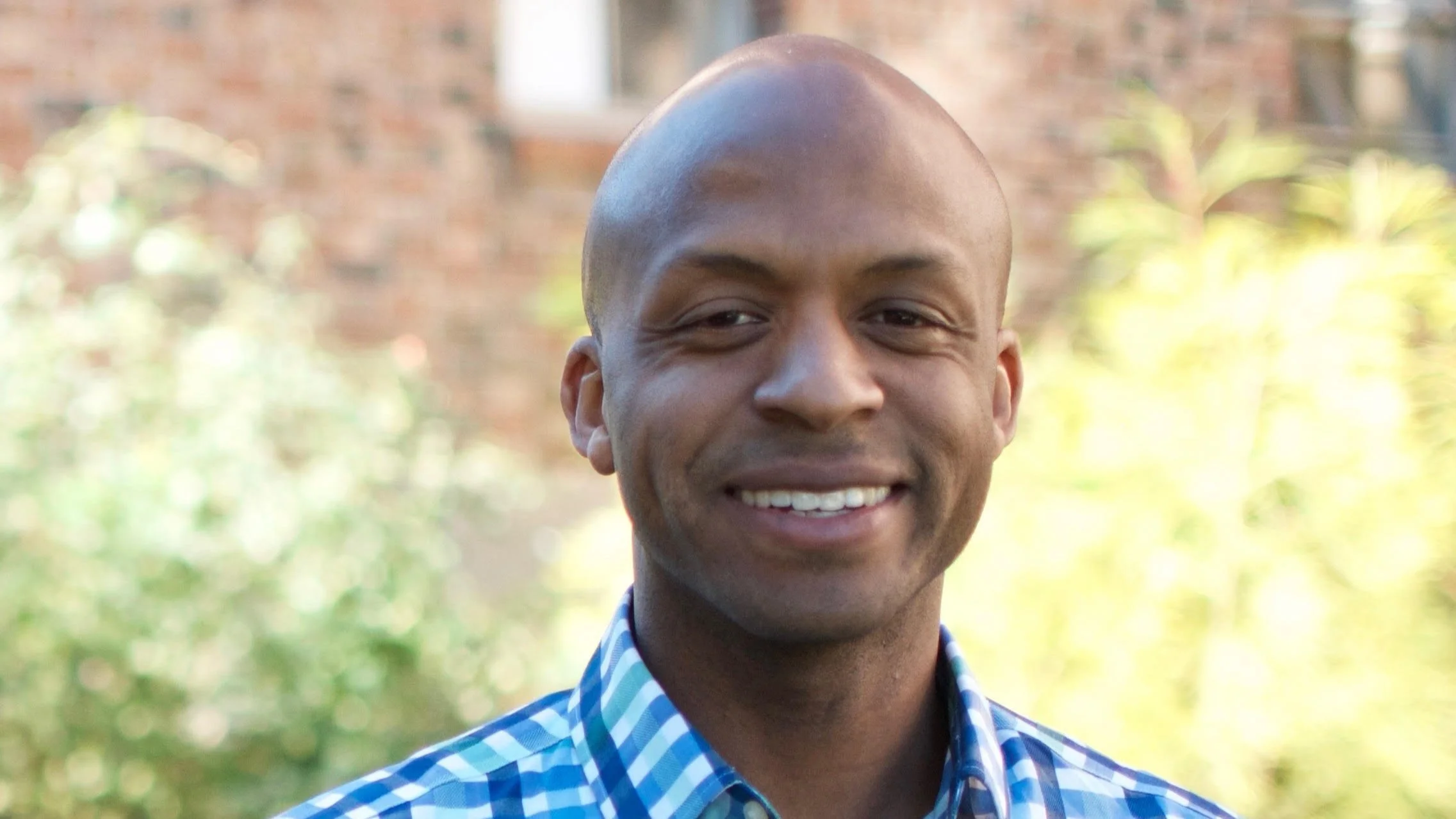
The Invisible Divide: Dr. Hyman Scott On Confronting Racial Inequalities in PrEP Use
A nationally-known HIV researcher and practicing clinician, Dr. Hyman Scott believes that PrEP, the once-daily drug that can prevent transmission of the potentially deadly virus, has become arguably the most important weapon in the anti-HIV arsenal.

The Americans With Disabilities Act and HIV: Why does it still matter?
Long before they received their acclaimed stars on the Hollywood Walk of Fame, two well-respected and now household names, Denzel Washington and Tom Hanks, impressed Hollywood in the film Philadelphia. Released in 1993, the film centers around Attorney Andrew Beckett (Hanks), who was fired for being gay and living with HIV.
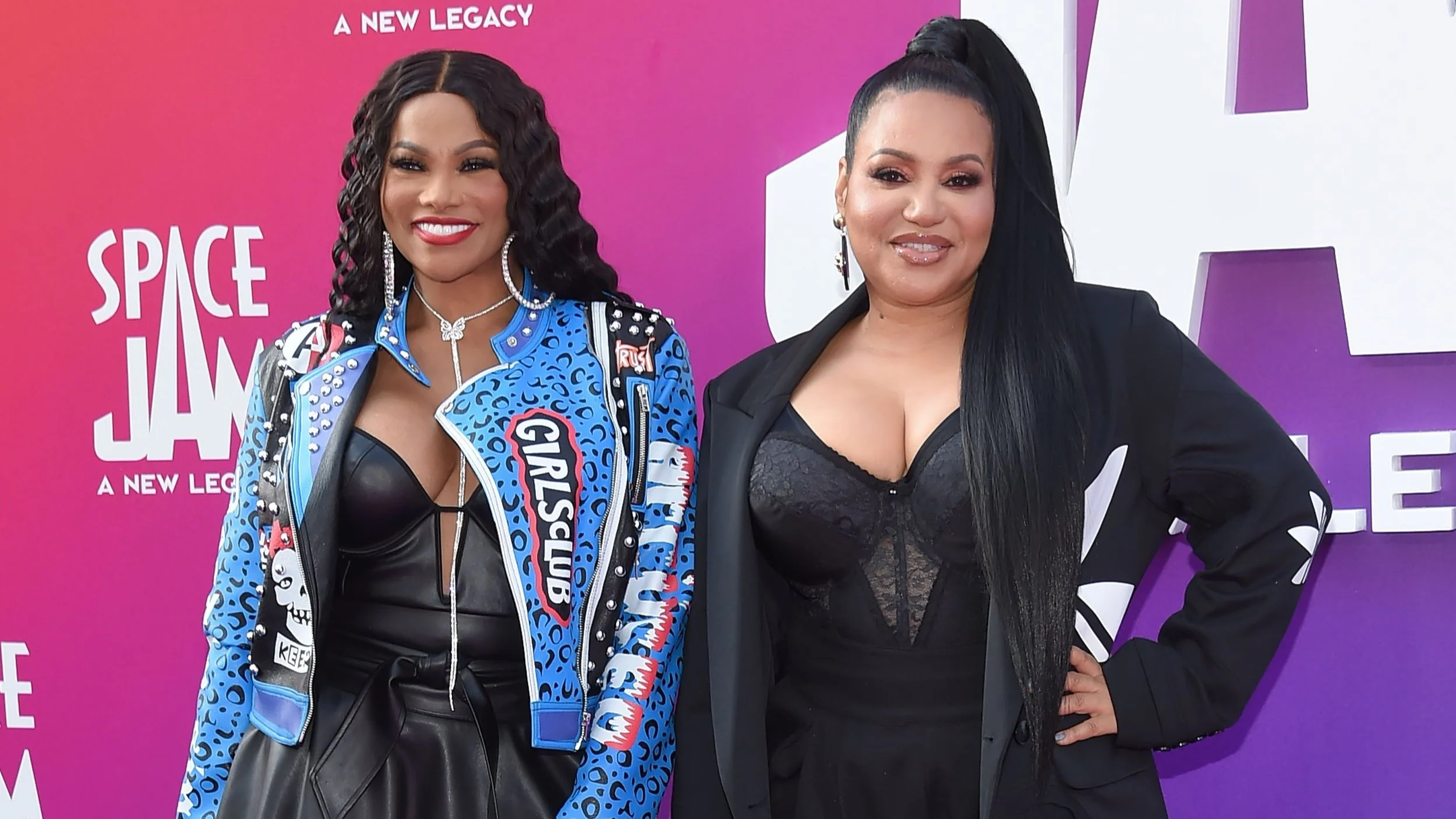
At 50, We Need Hip-Hop To Reignite Its Advocacy for HIV Awareness
Nearly 20 years before the songs Old Town Road and Despacito peaked at #1 on Billboard’s charts, another song seemed to be played on an endless loop. Released in 1995, ”One Sweet Day” by Boys II Men & Mariah Carey sat at the top of the charts for 16 weeks, tying it for 2nd longest reign in Billboard’s history.

America's Hidden HIV Epidemic: A Conversation With Linda Villarosa
On this show Charles Stephens sits down with Journalist Linda Villarosa. Linda is the Program Director at The City College of New York, and she wrote a piece for the New York Times entitled “America's Hidden HIV Epidemic: Why do America's black gay and bisexual men have a higher HIV rate than any country in the world?”
This conversation was taped in 2017.