
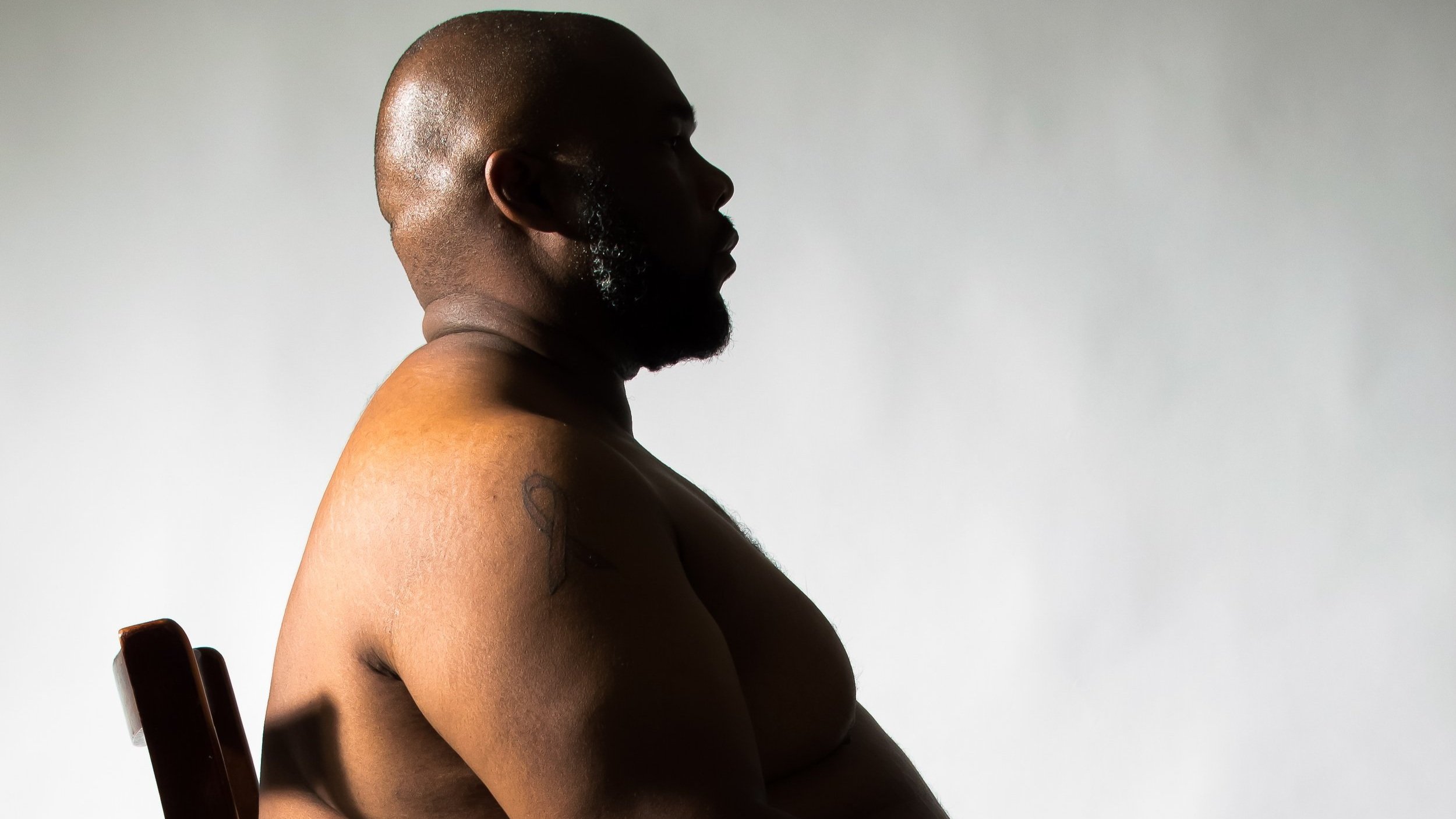
In ‘NAKED’ Photo Collection, Black Queer Vulnerability Is On Full Display
On November 12, 2017, at 6:49 pm, I received a text that read: “Antron has transitioned.”
The official cause of death was cancer, but HIV was the cause. I’ve never written that publicly before, although it’s true. Antron-Reshaud Olukayode was a poet, artist, and community activist, but more importantly, he was my friend.
2017 was an important year for me as a creative. In retrospect, it’s hard to wrap my head around just how much work I was able to curate. I produced podcasts and multiple live events, shot countless photoshoots, produced a music video, co-curated an art display at the National Center for Civil and Human Rights, and even won an award.
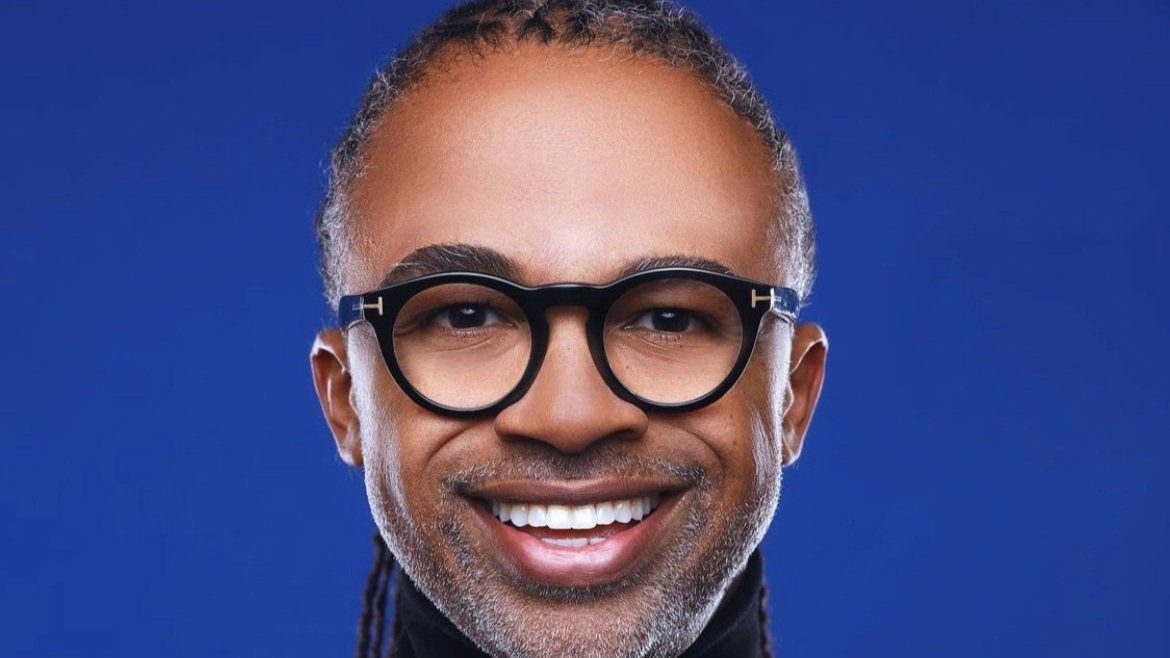
Gilead's Rashad Burgess is Advancing Health and Equity in LGBTQ Communities of Color
Before Rashad Burgess held the professional title of Vice President of Advancing Health and Equity at Gilead Sciences or the personal identification of husband and father, he witnessed the devastating effects of HIV in the early nineties as a gay teenager growing up on the south side of Chicago. As it did then, today, the disproportionate impact of HIV in the Black community experienced by Black gay men continues to fuel Burgess' work.
"I got to see what happens when you have inequity and communities being disproportionately impacted by HIV," Burgess tells The Reckoning. "I've always felt a call to make a difference in communities that felt like they were on the margins or felt vulnerable. No matter what role I've had in my career, that has driven me."
Formerly the Branch Chief of Capacity Building in the HIV/AIDS Prevention division at the Centers for Disease Control and Prevention (CDC), Burgess has dedicated most of his adult life and the last nine years with Gilead Sciences toward decreasing the impact of HIV in Black communities. In July, he stepped into his new role at Gilead Sciences as Vice President of Advancing Health and Equity.
The Reckoning spoke with Burgess about Gilead's efforts to tackle the HIV epidemic in the South. In a wide-ranging conversation, Burgess talks about Gilead's $100 million COMPASS Initiative, the impact of COVID-19 on testing and care, the importance of education and access to PrEP to curb new acquisitions, and why he believes the epidemic will end in his lifetime.

A Fat, Black, Gay Superhero Has Come To Save Us: Alex Smith's 'Black Vans' is the Future
Do fat people exist in the future?
That's likely a question that many have never thought to ask. It has been argued that people of size are some of the most openly discriminated against and marginalized. So, for some, thinking about fatness and fat people existing in the future may be hard to imagine.
But not for writer Alex Smith, a 46-year-old, Philadelphia-based artist, with roots in the Punk music scene. Smith is not afraid of anarchy. In some ways, he thrives on it, and people are taking notice. His newest work, "Black Vans," takes his ambitions to uncharted territory and places Black, queer, fatness center stage.
"If we're gonna do this, we're gonna do this," Smith tells The Reckoning. "It was a no-brainer that the main character was going to be a fat, Black bear, period," when discussing his comic book series and its lead character, "Bo," who is of Afro-Latin descent.
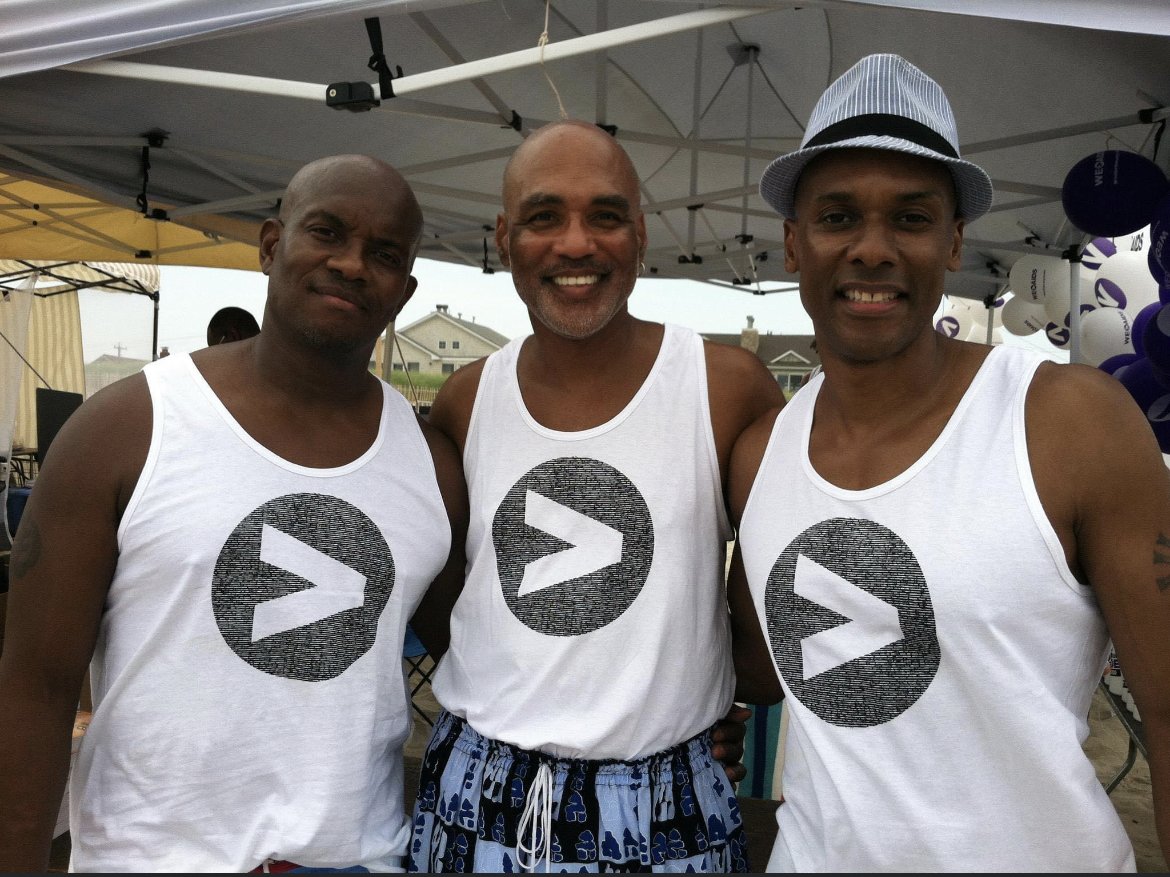
'Nobody Can Save Us, But Us:' Saying The Quiet Part Out Loud 41 Years Into The HIV Crisis
I tested positive for HIV in the spring of 1987. I had less than 200 T-Cells, which meant I met the threshold for an AIDS diagnosis. The counselor gave me six months or so to live. There were no treatments for AIDS yet. He suggested I go home and put my affairs in order. I was 30 years old. I didn't have any "affairs" to put in order. In actuality, I probably had been living with HIV for seven years by then. My husband, Chris Brownlie, who I met in 1980, already had AIDS and was experiencing opportunistic infections. Chris died in November 1989. Last month, after celebrating 66 years and four months of life (the required age to receive full social security benefits), I received my first social security check.
I've started writing my memoir. I've had thirty-six years and four months since that AIDS diagnosis to put my "affairs" in order. I've been thinking a lot about what it means to come of age, live through, and grow old in the age of HIV/AIDS. And more importantly, what we've learned, if anything, over the last 41 years that might be of importance to young Black gay men coming of age today in the middle of three pandemics—HIV/AIDS, Covid-19, and now, Monkeypox. André Gide said, "Everything that needs to be said has already been said. But since no one was listening, everything must be said again.” Monkeypox has become the new Black Plague. Black and Brown gay, men who have sex with men, and/or same gender loving men represent over 50% of the current cases of monkeypox in the United States.
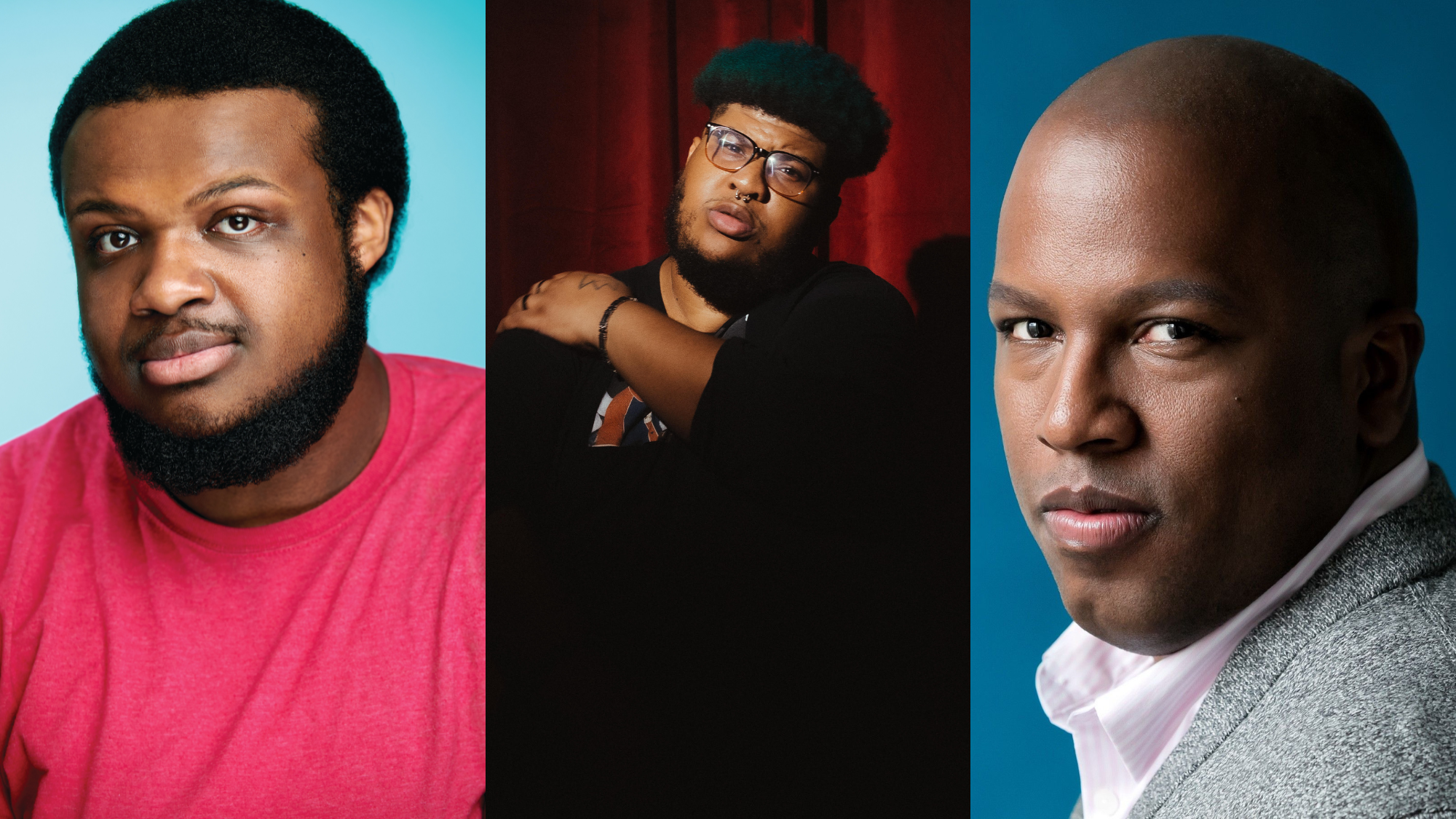
On The Other Side of The Pandemic, These Three Black Gay Artists Are Winning
Three Black gay men—a Pulitzer and Tony Award-winning playwright, a Tony award—nominated actor, and a possible future Grammy award-winning singer/songwriter— are having the time of their lives professionally and creatively. And to some extent, they credit the coronavirus pandemic.
Rob Milton, 33, is one of them.
While pundits and social scientists have debated whether the pandemic has led to a “Great Revelation” of some sort, Milton, and others, credit the pandemic with giving him the motivation needed to have the career he always wanted.
“I have pretty much surrounded myself with people who are creative, and post-pandemic, a beautiful thing has happened,” Milton told The Reckoning. “In some respects, the pandemic leveled the playing field. It caused a lot of the people I know to stop and think about how important it is to do the thing or things you are called to do.”
Black Queer Filmmaker Brings Shattering Romance ‘Nana’s Boys’ to Out On Film
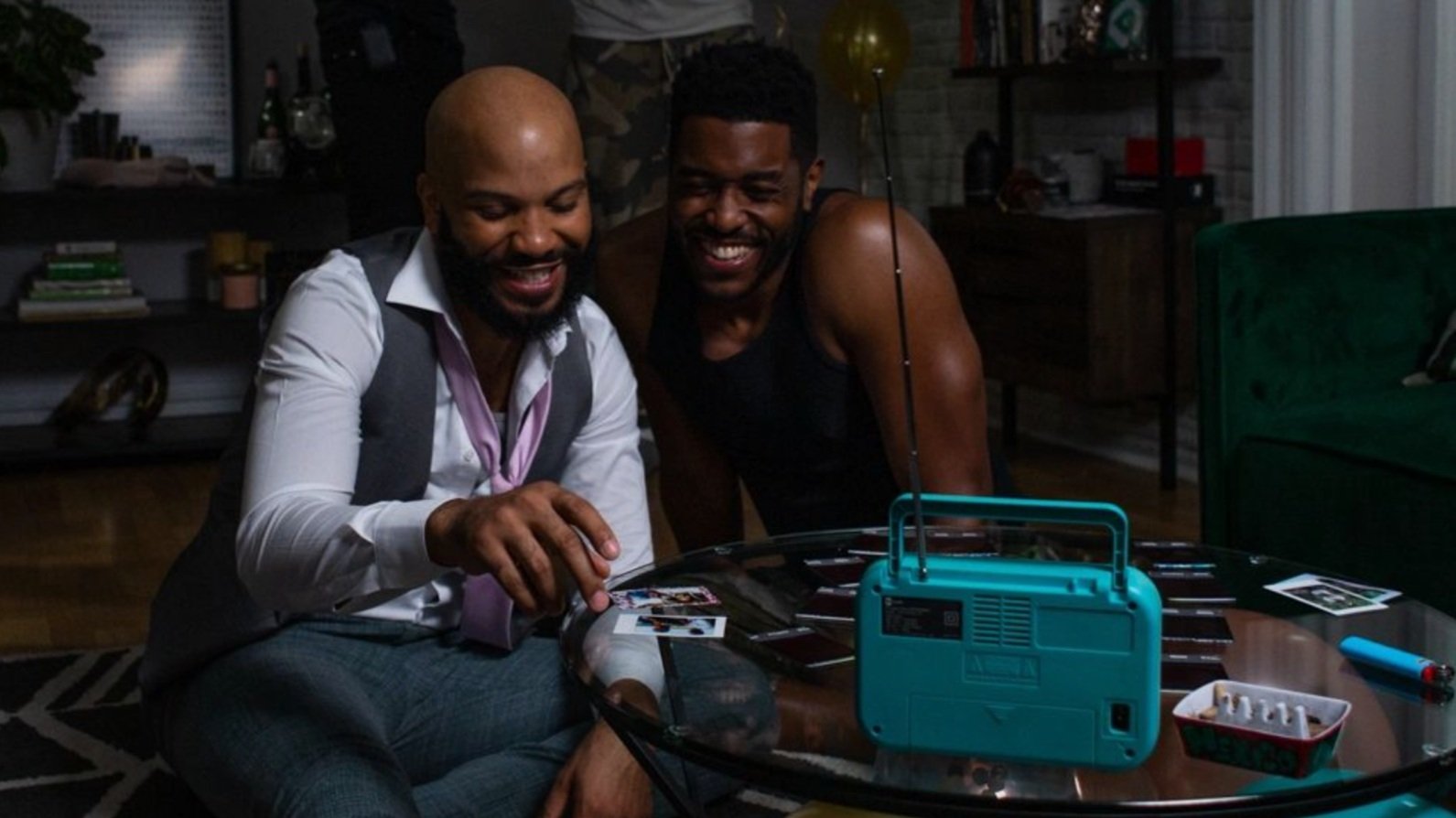
For just about everyone, year one of the Coronavirus pandemic bought both losses and gains. Self-described “outrageous storyteller” Ashton Pina was no exception: Starting the lockdown as an up-and-coming communications professional in a committed relationship, the queer storyteller ultimately ended the first chapter of the Covid crisis as an unemployed, single man.
From those losses, however, came one tremendous gain—the framework for a cinematic exploration of love and transition that, until recently, had only lived in his very creative head.
The fruit of his journey materializes in “Nana’s Boys,” a feature-length film – his first – set to make its local debut at Out on Film in Atlanta this month. In it, Pina explores themes of beginnings and endings, artifice and reality, hope and despair, all against the backdrop of a seasoned relationship between two Black gay men.

Author Cary Alan Johnson Elevates 1980s Black Gay Experience in Debut Novel ‘Desire Lines’
In his debut novel, “Desire Lines,” author Cary Alan Johnson births a story about Black queer friendship, desire, and addiction during the onset of the HIV epidemic in New York City in the 1980s. Desire Lines marks Johnson’s first foray into long-form fiction after spending much of the last decade breathing life into characters aimed at centering the experiences of Black queer men in an HIV narrative where they have historically been forgotten.
“Of all the really great books, movies, and shows produced about gay men’s experience with AIDS in the 1980s, none have focused on Black gay men,” said Johnson. “Of all the great work about cocaine and crack addiction, none focused on the experience of Black gay men. The 1980s was a period of hysteria and pain, but it was also a moment of intense introspection and spiritual alignment. You either sank or you swam. Many of us swam and continue to swim, and I want to tell this story.”
In Desire Lines, readers follow an unnamed Black gay narrator as he grows up in Brooklyn captivated by a vision of life on the other side of the river, where the sparkle and glitter of Manhattan beckon. Coming into adulthood, he finds himself living in a five-floor walk-up in Hell's Kitchen just as the AIDS epidemic is hitting the city. We follow him and his group of friends as they experience the first wave of illness and death and then accompany him on a two-year journey to Zaire, Central Africa, where he must confront corruption and homophobia in new and unexpected ways.

Meet The Mazelins: Online Connection Leads Gay Couple Down The Aisle, Into the Hearts of Millions
Until recently, Alec Tomlin, 30, never allowed himself to dream of living the life he now leads with his husband, Brian Mazelin, 34. The Orlando-based couple wed in an intimate ceremony at Paradise Cove on July 8, 2022, in front of family and friends, and days later, to an audience of over 34,000 people who watched their wedding video on their increasingly popular YouTube channel “Meet The Mazelins.”
Tomlin, a native of Montego Bay, Jamaica, and Mazelin, a Miami, FL native, walked down the aisle, hand-in-hand in what can only be described as an out-of-body experience.
“I literally burst into tears the minute we turned the corner,” Tomlin said. “Knowing this wasn't just me as a viewer, but me as a participant in a wedding, to this day, it’s something that I don't think has hit me, like, how big it is.”
The newlywed's journey to the altar was not without its share of obstacles; from navigating a long-distance relationship in 2020 at the height of the coronavirus pandemic, to Tomlin’s exhaustive immigration process, to the rescheduling of their wedding day—their persistence and unwavering commitment proved that a delay is not a denial.
Yes, Black Queer Bodies Are Beautiful. No, You Don’t Have A License To Fetishize Them.
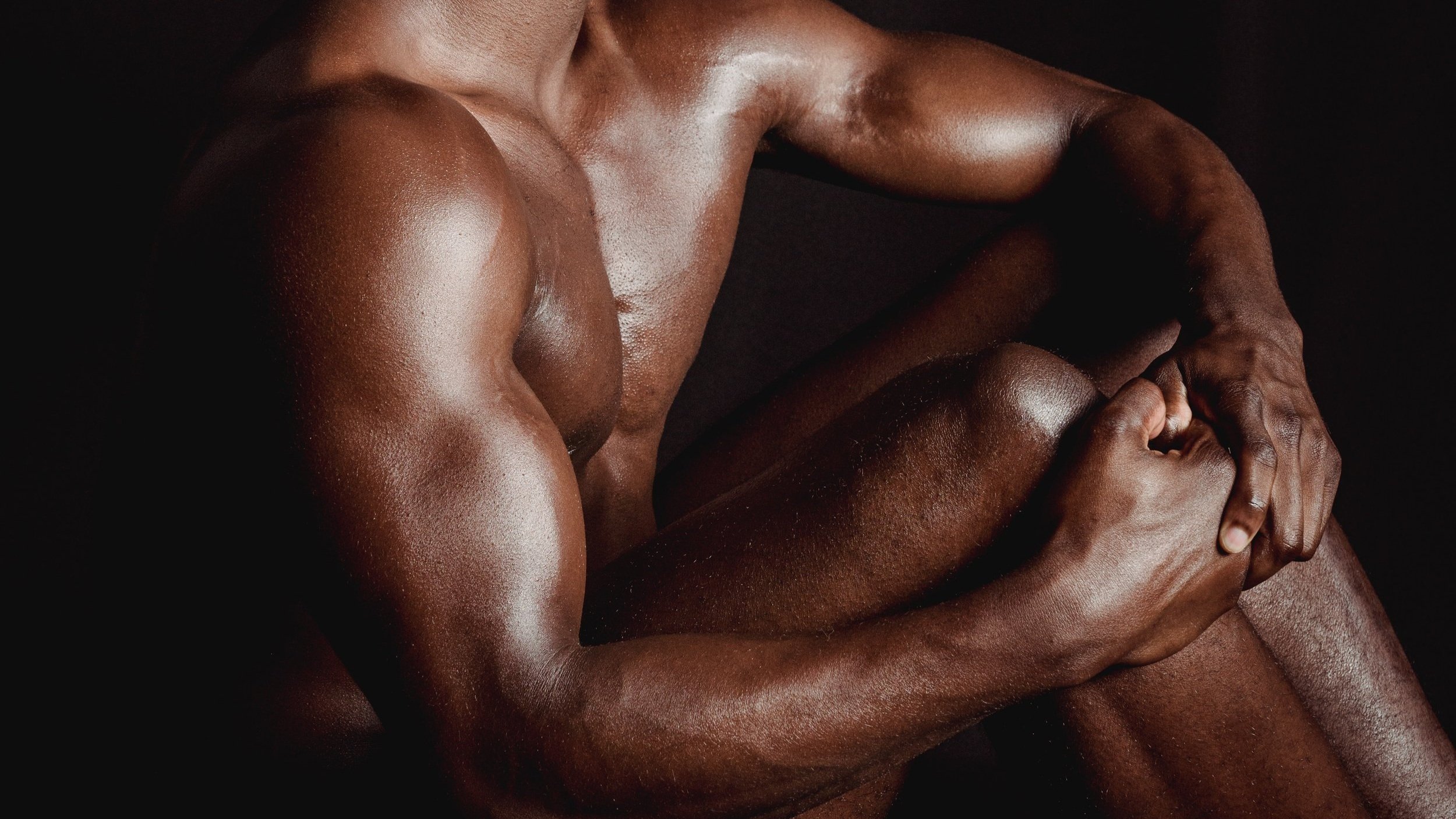
The sexual currency and experiences associated with Black men are rarely discussed at length or with nuance. While that lack of nuance does not absolve men of their privilege, the topic does require perspective and compassion. Let us examine how the objectification of Black male bodies shows up not only in porn but also in history and our romantic experiences.
The objectification of Black men is not a recent phenomenon but extends back to chattel slavery. In a popular YouTube video, anti-racism educator Jane Elliot injects her blue eye/brown eye experiment onto a predominantly white college campus. By doing so, Elliott triggers a young white female student who temporarily derails the experiment by abruptly exiting.
“You just exercised freedom that none of these people of color have. When these people of color get tired of racism, they just can’t walk out, because there is no place in this country where they aren’t going to be exposed to racism. They can’t even stay in their homes and not be exposed to racism if they turn on the television,” said Elliott.

CNP Fall 2022 Preview
Fall is upon us, and we’re saying goodbye to the sweltering heat that has encapsulated most of the country over the past few months and hello to the beauty that comes with the change of season and cooler temperatures. The weather change isn’t the only thing we are looking forward to. Black queer artists will continue to impact culture throughout the second half of 2022.
There is no shortage of new literary works from Black queer authors. Whether you prefer to curl up with a physical book, a Kindle download, or an audiobook, The Reckoning has you covered with recommendations for titles to add to your must-read list. But wait, we’ve got you covered with music and movies too.

Activists Fight to Decriminalize HIV, Stigma Attached To LGBTQ Sex Workers
HIV and sex work criminalization often intersect, which means a person suspected of “exposing” someone to a virus can be grouped with a person exchanging sex for money, housing, or food, as both are labeled “criminals.” Advocates from both decriminalization sectors have rallied for doing away with these long standing policies, which have public health and criminal justice implications.
Organizations ranging from the Positive Women’s Network and the Sero Project to Sex Workers Outreach Project USA (SWOP-USA) have concentrated forces most recently to tackle both HIV and sex work criminalization in a collective called Health Not Prisons. They’re organizing to remove criminal charges and shift policing away from sex workers and people living with HIV (PLWH).
Chauncey McGlathery, sexual justice coordinator at the Sero Project, supports breaking down the silos that have kept HIV activists and sex worker activists from joining forces.
Pops, Unc and Me: How Three Black Queer Men Decades Apart Bridged The Generation Gap
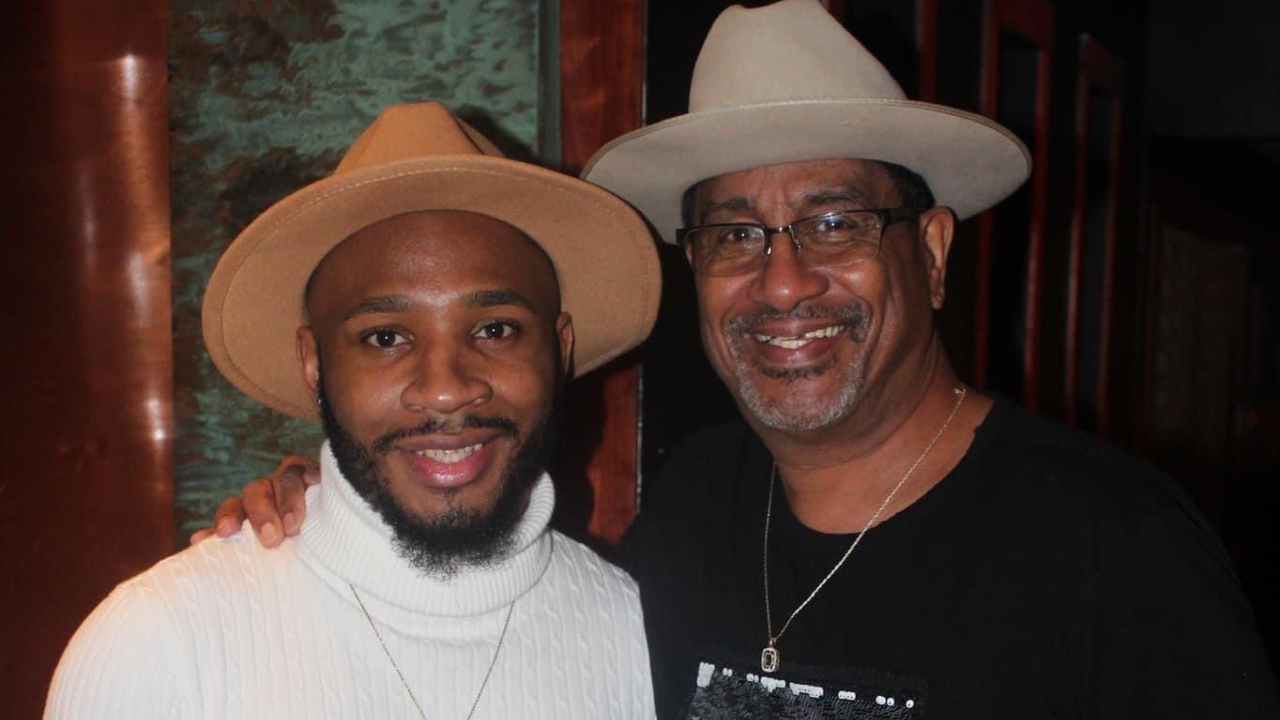
Like Townsend—who works as an HIV Prevention Manager and is a Philadelphia transplant—Edmond, a Gary, Indiana native and an HIV Peer Support Specialist at THRIVE SS relocated to Atlanta in 2015 in search of community, which he found through Undetectables Atlanta (UA); a private Facebook group that provides support and brotherhood for Black queer men living with HIV. It was through the THRIVE SS/UA network that the duo soon became a trio.
Enter Thaddeus Works, 56, a retired law enforcement professional whose routine visits to the THRIVE SS headquarters in Southwest Atlanta where he’d often see Edmond, wave hello, and then continue with his day, all of a sudden became less routine.
“I met Darriyhan three years ago. He was working with THRIVE [SS] and I used to come into the office and throw my hands up [in a gesture to say hello],” Works said. “And then one day I was talking to Larry [Walker, Executive Director of THRIVE SS]. I was trying to give Larry a hug, and I opened my arms and Darriyhan came up and hugged me. So that's how that happened,” he said.

Black LGBTQ Filmmaker Explores Faith and Queer Desire In ‘The Spirit God Gave Us’
Los Angeles-based gay filmmaker Michael Donte hasn’t been called to preach, but he has been called through his art and his latest short film “The Spirit God Gave Us,” to create a world that reimagines what is possible for Black queer people outside of the confines of the Black church.
A multi-hyphenate talent, in addition to directing, Donte also pens the screenplay and is a producer of Spirit. Full disclosure: Counter Narrative Project, which powers The Reckoning, is also an executive producer. The 20-minute short film, which stars Nic Ashe (“Queen Sugar,” “Choir Boy'”) and Elijah Boothe (“Luke Cage,” “Coin Heist”), had its world premiere in May at the Inside Out LGBTQ Film Festival in Toronto. “The Spirit God Gave Us” is an intersectional story of faith and queer love through the lens of Malcolm (Ashe), and Shamont (Boothe), two young Black men who volunteer as ushers for their Baptist church and are faced with reconciling societal and religious expectations with an intense longing for connection and intimacy.
While the history of homophobia in the Black church is well documented, Donte tells The Reckoning that he decided to take a different approach in his screenplay for Spirit.
“Writing the script was a kind of therapy for me,” Donte said. “Challenging the narratives that we often see in media—that was the hardest part about writing the script. I wanted to acknowledge the conflict without making it the centerpiece. And I think we did that,” he said.

I Don’t Want to Be an Elder If I Have To Hold the Trauma
In recent years, when the title of elder has been placed upon me, I’ve always rejected it. Not just because I felt too young, but also because I believed that being an elder was something you earned. And I did not believe I’d earned it yet. I still don’t.
What I have come to understand is that much of being an elder is really about who survives, and who is left to tell the story. In this sense, being an elder for me seems to be about loss, loneliness, and grief. It’s a reminder of the collective trauma that we as Black gay men and so many marginalized communities face—the war that was waged against us, against our bodies and desires that forced too many of us to become ancestors before we became elders. And for those of us remaining—left to become elders prematurely.
In 1999, the blocks between 10th street and 14th street in Midtown Atlanta was the world I entered. This is where I found community, made friends, earned enemies, felt desired and rejected, built community, mourned community, and ultimately became politicized in a way that is no longer possible. This is where I became an activist. This is where I became a leader; my origin story, if you will. Entering that world for me was like visiting Narnia.

‘Instant Dream Home:’ Atlanta Black Gay Firefighter Gets Personal Ahead of Netflix Debut
When my boyfriend, Andre, heard that a new home renovation show was looking for service-oriented men and women impacting their communities, he nominated me for casting. Soon he became a co-conspirator with actress Danielle Brooks (“Orange Is the New Black”), the host of Netflix’s “Instant Dream Home” airing on the streaming platform on August 10.
Andre and Brooks devised a plan to lure me away from my 1930s three-bedroom, three-bathroom bungalow with the help of a team of rapid-fire renovators who transformed my home from top to bottom in just 12 hours. I am honored to be among eight families featured in the series. The show transformed my house into a home. I believe my father, Toye Holmes, is a co-conspirator on this project as well.
My father missed his opportunity to buy a house when I was a little boy in Madison, Wisconsin. His brand new white 1988 two-door Cutlass Supreme, with the spoiler kit and tinted windows, ate up his home buying power. Loan officers frowned upon his debt-to-income ratio. When the bank only offered him $60,000, he said, “Fuck that and them. I ain’t selling my car.” He thought he had more time.
By 1990, my father lost his job at Wisconsin Power and Light, where he was a journeyman. The termination sucker punched my family's finances, causing us to walk on lines just as thin as the lines dad once worked to repair.
Progress or Nawl? Television’s Black Queer Renaissance Faces Bumps In The Road
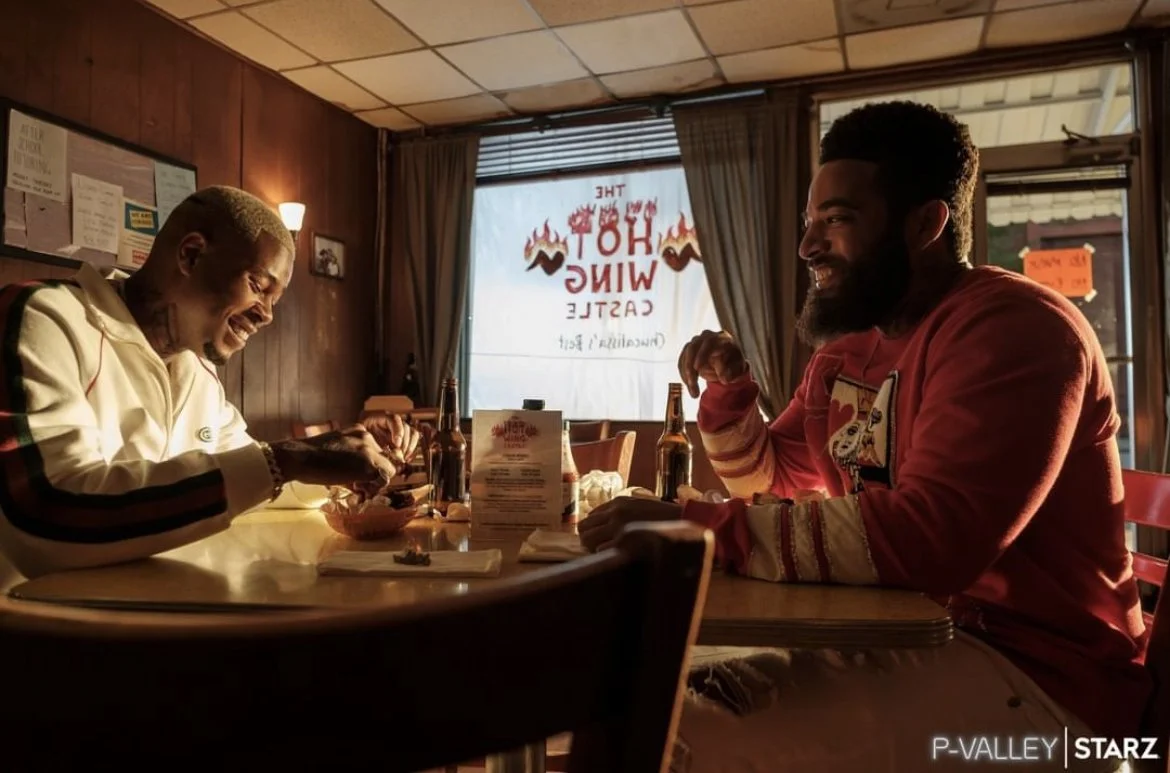
With a bearded, high-heeled Saucy Santana featured in mainstream music videos and a pony-tailed Billy Porter hosting ballroom legends on the BET Awards, it’s become easy to think that the Black queer man has claimed his seat at the mainstream table. It took just one cable show and a blink-and-you’d-miss-it sex scene to prove otherwise.

‘Between Me, You and Liberation:’ How Rapper Common Made A Righteous Departure From Homophobia 20 Years Ago
In 2023, hip-hop turns 50, and in 2022 it’s time to give Common his flowers. It was 20 years ago that the Chicago native and conscious MC bravely denounced his previous homophobia on “Between Me, You & Liberation,” a track from his 2002 album “Electric Circus.”

Mpox and Black Gay Men: Barriers & solutions to vaccination (Part 2) | Speaking from the Heart
In part 2 of our video, Michael Ward discusses potential barriers to Black gay men accessing the mpox vaccine as well as some potential solutions.

Mpox and Black Gay Men: Here's why I got vaccinated (Part 1) | Speaking from the Heart
Our Narrative Justice Fellow, Michael Ward, chose to get vaccinated for mpox. He was out of the country when he first learned about the disease, and was fortunate to get an appointment.

‘The Qube’ Creator Anna DeShawn is Creating A Space For LGBTQ Podcasters To Thrive
The podcasting industry is experiencing a renaissance. Podcasts centering content created by the community, for the community, are difficult to discover on popular podcast apps like Apple, Spotify, and Google unless you hear about them through word of mouth. Many learned the amount some podcasters were earning when it was reported that Spotify inked a deal with Joe Rogan for more than $100 million. For Black LGBTQ+ folks in the space, deals like Rogan’s are not on the table or even a possibility. Anna DeShawn, co-founder of The Qube app, is on a quest to change that.
If you’ve never visited Chicago, you’ve probably still heard of the South Side. Giants of Black culture and liberation have called the South Side their home—Common, Michelle Obama, Kanye West, and Fred Hampton are folks from the sprawling section of the city—the largest of the three sections of Chicago. So, even if the name is unfamiliar, you’ve undoubtedly felt the effect of people who are from there.
The South Side is also home to DeShawn, who grew up in a working middle-class household with both parents. Because her father was a dean and coach, DeShawn tells The Reckoning that leadership lessons were all around her.