

Black Men Disproportionately Impacted By Louisiana HIV Criminalization Law, New Report Finds
A new report from The Williams Institute examining the beginning and ending stages of the HIV criminalization cycle in Louisiana paints an even clearer picture of the demographic most impacted by discriminatory and outdated laws criminalizing people with HIV in the state.
Black people—and especially Black men—were the majority of people identified as suspects and arrested for HIV-related crimes, according to research by The Williams Institute.
Louisiana enacted its law in 1987, becoming one of the first states to criminalize HIV—nine years before the release of lifesaving antiretroviral drugs that allowed people living with HIV to achieve viral suppression and before FDA approval of PrEP, a game-changer in HIV prevention.
Louisiana has one primary HIV criminal law, intentional exposure to HIV. Intentional exposure is a felony; the maximum sentence is ten years imprisonment and a $5,000 fine. The law provides a heightened sentence for deliberate exposure to a first responder performing their official duties. In this case, the maximum penalty increases to 11 years and a fine of up to $6,000. Additionally, a conviction for intentional exposure to HIV requires the person convicted to register as a sex offender under Louisiana law for 15 years.

FDA Gay Sperm Ban Writes Queer Black Men Out of Family Planning Picture
As a gay Black man who one day wants a biological family, TreVaughn Roach-Carter long ago reconciled that his path to parenthood wouldn't be a typical one.
He's embraced it—so much that he wanted to help other queer families with their journey.
In 2019, the San Francisco resident began the journey to become a sperm donor, making it through the first of two initial appointments with The Sperm Bank of California before he hit a roadblock.
"They had invited me back for a second test just to make sure that everything is viable," Roach-Carter told The Reckoning in early November. "Before I could even make my appointment for the final test, I got the email that the FDA doesn't want gay sperm."
The incident, first highlighted in a Washington Post article that's gained national attention, has spotlighted what critics call an outdated, discriminatory policy that potentially impacts Black men – and would-be Black families – most of all.
That US Food & Drug Administration policy, enacted in 2005, restricts donations from men who have had sex with other men within the previous five years, citing HIV transmission risk. The ban drew widespread criticism as a misguided directive aimed at "stigmatizing all gay men rather than adopting a screening process that focuses on high-risk sexual behavior by any would-be donor, gay or straight."

Gay Entrepreneurs Juan and Gee Smalls Get Candid About Success, Individual and Collective Push For Freedom
It's just after 11 am on a Friday when Gregory "Gee" Smalls walks into Virgil's Gullah Kitchen & Bar – West Midtown.
As members of the staff mull around prepping for the day, he stops at a table to talk to a familiar face. They strike up a quick conversation.
Eventually, he stands and greets us – me and Johnnie "Jay Ray" Kornegay III, creative director of the Counter Narrative Project. We are there to capture a few images of Smalls and his husband of 13 years, Juan. It's 12 days after their anniversary.
Smalls hugs us and says, "Juan is up the street. He's on his way." But actually, Juan is already here. He appears at the top of the establishment's stairs. As we take notice, he slowly saunters down the stairs – making an entrance – and pulls his shades from his face.
They are dressed in seemingly coordinated outfits—Gee in a long sleeve, black sweatshirt, camouflage pants, yellow, high-top sneakers, and a Black beanie. Juan is wearing blue jeans, sneakers, and a black asymmetrical button-down, long-sleeved shirt. If their wardrobe choices indicate their relationship dynamic, it shows how their unique personalities and styles complement each other.
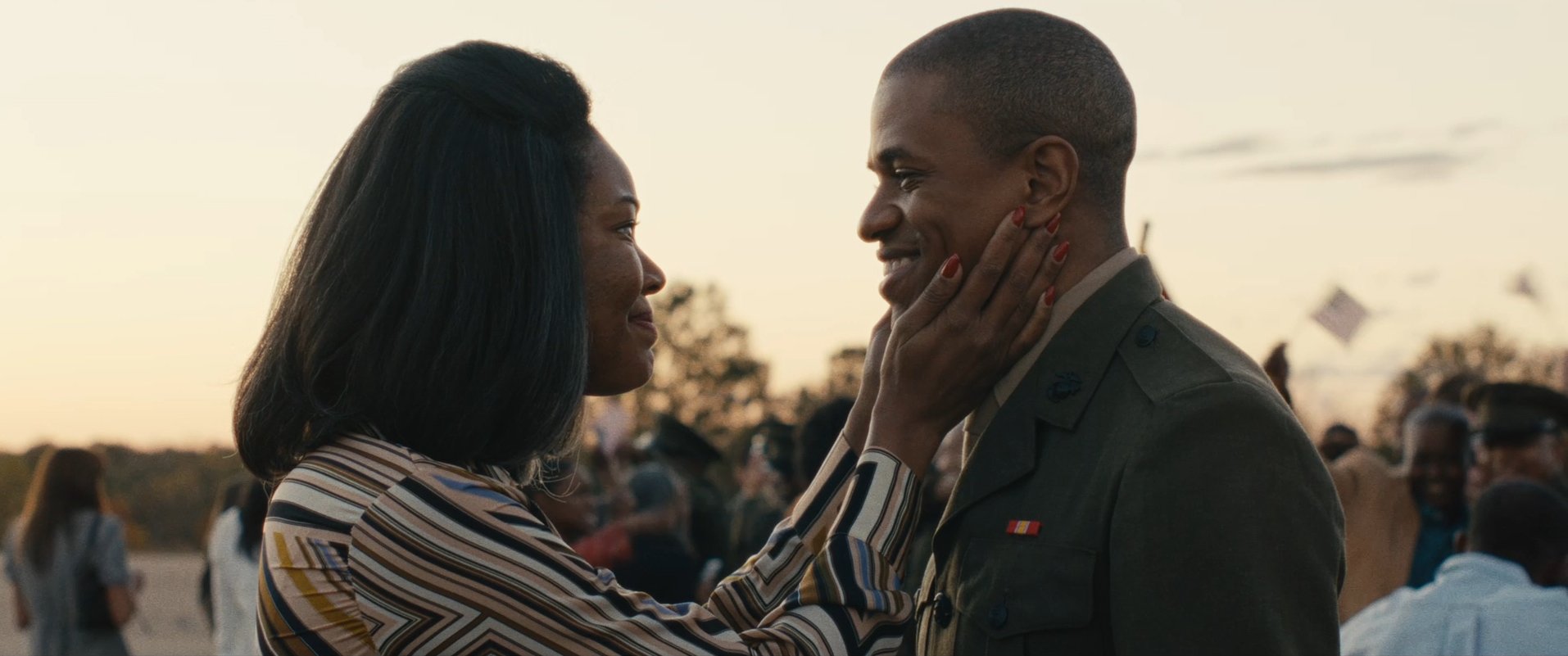
The Reckoning Interview: Gabrielle Union, Elegance Bratton Peel Back The Curtain on LGBTQ Abandonment and Perseverance in 'The Inspection'
On November 18, writer and director Elegance Bratton's "The Inspection," starring Jeremy Pope, Raúl Castillo, and Aaron Dominguez, with Gabrielle Union and Bokeem Woodbine, will hit theaters across the country in limited release. Bratton ("Pier Kids," "Buck"), who is openly gay and a former U.S. Marine, has written and directed an epic American drama that is unapologetically Black and queer. These two ingredients would have almost ensured a mainstream film to be dead on arrival before the 2017 Best Picture Oscar win for "Moonlight."
Inspired by actual events, "The Inspection" tells the story of Ellis French (Pope), a young Black gay man rejected by his mother, Inez French (Union), because of his sexual orientation. After being kicked out of the family home, French is thrust into homelessness in New York City. With few options for his future, he joins the Marines to win his mother's love. In the era of "Don't Ask, Don't Tell," the former discriminatory policy prohibiting out LGBTQ service members, French faces the grueling requirements of boot camp, blatant homophobia, and an unrelenting determination to succeed.
Six years in the making, Bratton tells The Reckoning, "The Inspection" began as part of the narrative of a planned autobiography that he ultimately decided to shelve. He credits his husband and producing partner, Chester Algernal-Gordon, for encouraging him to bring his life story to the big screen.
"You need to tell a story that brings audiences to a place they could never go unless you take them there. It has to be really personal," Bratton recalls Algernal-Gordon saying to him at the time. "He insisted that The Inspection would be the one that would change our lives."

Rejected By Their Mothers, Two Black Gay Men Open Up About Navigating The Pain
Ian L. Haddock, 35, Executive Director of The Normal Anamoly Initiative, vividly recalls the strange dichotomy of his late mother, Valerie Walker, hurling anti-gay slurs at him. But as hurtful as her colorful language could be, she was steadfast in her determination to keep him away from the illegal drug activities and prison sentences that consumed the lives of his two older brothers in Texas City, TX.
An effeminate Black queer child raised in a trap house with his mother and brothers, Haddock says he played football for a while to prove his masculinity. But he ultimately immersed himself in the Black church experience as one of two options given to Black boys in the football-centered Texas town as alternatives to the less desirable and dangerous elements chosen by many Black men in his orbit for survival.
"I knew I was different," Haddock says. "Showing up as any part of myself as a young kid was very difficult because I was really smart. But I was bullied for being a geek. I was bullied for being poor and dirty, and I was bullied for being feminine."
The bullying wasn't isolated to Haddock's experience with other students at LaMarque High School, where he attended. It was also a constant presence inside his home.
"My brothers tried to beat it out of me," he says. "My mother tried to ridicule it out of me. When I was younger, I was very much in fear of my brothers. My brothers would fight my mama. They didn't care. It was a very abusive situation."

Atlanta University Center (AUC) Thanksgiving: An LGBTQ Ministry of Food and Fellowship
Since 2019, Larry Aldrige, a senior at Morehouse College, along with his best friend, have used the family-oriented nature of Thanksgiving to create something to quell the loneliness of the holiday for their fellow college students at Clark Atlanta University, Spelman College, and Morehouse College, three schools under the Atlanta University Center (AUC) umbrella.
Aldrige wasn't planning to attend Morehouse. His first choice was Clark Atlanta University. It was at the urging of someone he'd grown up with that suggested he attend Morehouse. He applied and got in but was still determining if he wanted to leap. A product of the Black Pentecostal church, Aldridge did what he learned to do when faced with a major life choice, he prayed.
"I said [to God], send me where you want me. Tell me what you need me to do," he says. "My apostle was preaching, but after a while, I got in prayer, and I couldn't even hear him anymore. All I heard was Morehouse. And I was like, okay."
Aldridge, who identifies as queer, hadn't told anyone yet, because he didn't even realize it himself.

Is Hooking Up For Black Queer Men Still Necessary?
Why are Black queer men still deeply invested in casual sex and hooking up?
Black queer sex may be more accessible, but it doesn't absolve us of hang-ups and preferences resulting in internal conflicts similar to other groups. It can be easier to go for what we desire in sexual situations involving two men, knowing how we are sexually wired. As a Black queer person, I've easily cultivated a consensual and fulfilling sex life. I started dating men at age eighteen and came out of my glass closet a year later.
I fear the years without the right to marry or love publicly and safely have indirectly caused some Black queer men to be blind to the value of commitment. How we navigated sex before the dawn of the internet, in dimly lit public spaces, backrooms, and parks, has permeated queer culture, often at the expense of our physical safety and freedom. This reality, compounded with the HIV epidemic and the loss of thousands of lives, has changed how we view sex. The degrees of compartmentalization we navigate still haunt us to this day.

‘He’s Watching You:’ Can A Black Queer Couple Survive in 80s Inspired Horror Flick?
The cannon of Black horror films is limited. The cannon of horror films featuring Black queer characters, even more so. It's a sobering reality that Black fans of the genre have endured for decades until the mainstream explosion of Academy-Award-winning writer/director Jordan Peele's cinematic success. In the spirit of Peele, Atlanta-based actor, writer, and filmmaker Isaiah Rice is on a mission to change the face of horror again.
An openly gay man and lifelong horror fan, Rice is turning the 1980s-inspired grindhouse horror aesthetic on its head in his latest short film, "He's Watching You." The film follows Sidney(Rice) and Ryan(Schyler Tillett), a young millennial 20-something Black queer couple visiting a cabin in the woods for a romantic getaway to rekindle their broken relationship. Sidney is a recovering drug addict fighting to stay clean after rehab. Ryan is a recent law school graduate with hopes that the cabin trip will bring them closer together now that Sidney has reached a level of sobriety. While their backgrounds differ, one key thing remains true– their love for one another. However, as romance unfurls at the beginning of the night, it ends in horror with a fight for survival.
"While the core leads are two Black queer men in a relationship, the focus of the story is not centered around their sexuality," Rice says. "This is an issue that most films focus on when it comes to having queer characters. The general queer storylines seem to focus on the trauma of coming out of the closet, hiding your sexuality from society, or at times being oversexualized. "He's Watching You" is a grindhouse horror film, but it has nothing to do with the character's sexualities. They happen to be a queer couple in the wrong place at the wrong time," he says.
A dance and political science alum of Bates College, Rice tells The Reckoning the seed for "He's Watching You" was first planted after expressing his frustration to a film professor about the lack of representation of Black queer couples in horror.

Actor André De Shields Merges Art and Activism, Advocates for Modernization of HIV Criminalization Laws
A conversation with the legendary actor Andre De Shields is a master class.
The Tony-award-winning actor is currently receiving rave reviews as Ben Loman in the Broadway revival of Arthur Miller's "Death of A Salesman." De Shields plays the successful and wealthy older brother of Willy Loman (Wendell Pierce), a salesman grappling with a fruitless life in a burgeoning America. The latest production of "Salesman" makes history as the first Broadway revival of the dramatic masterpiece to feature African American actors in the leading roles.
A celebrated Black queer artist, De Shields began his professional career in a 1969 Chicago production of "Hair." His star turn in the title role of the 1978 Broadway hit, "The Wiz," opposite Stephanie Mills, has endeared him to audiences across the globe.
De Shields insists that his most challenging role is always the one directly in front of him. Whether performing for an entire house or in scenes with Neil Patrick Harris in the hit Netflix comedy “Uncoupled,” or standing before a classroom filled with fresh-faced students. Each time he steps on stage, he does so as an advocate. Over the last five decades, he's prioritized helping audiences understand and accept what it means to be human.
"As an actor-activist, I want to fill intimate spaces with enormous beauty," De Shields proclaimed.
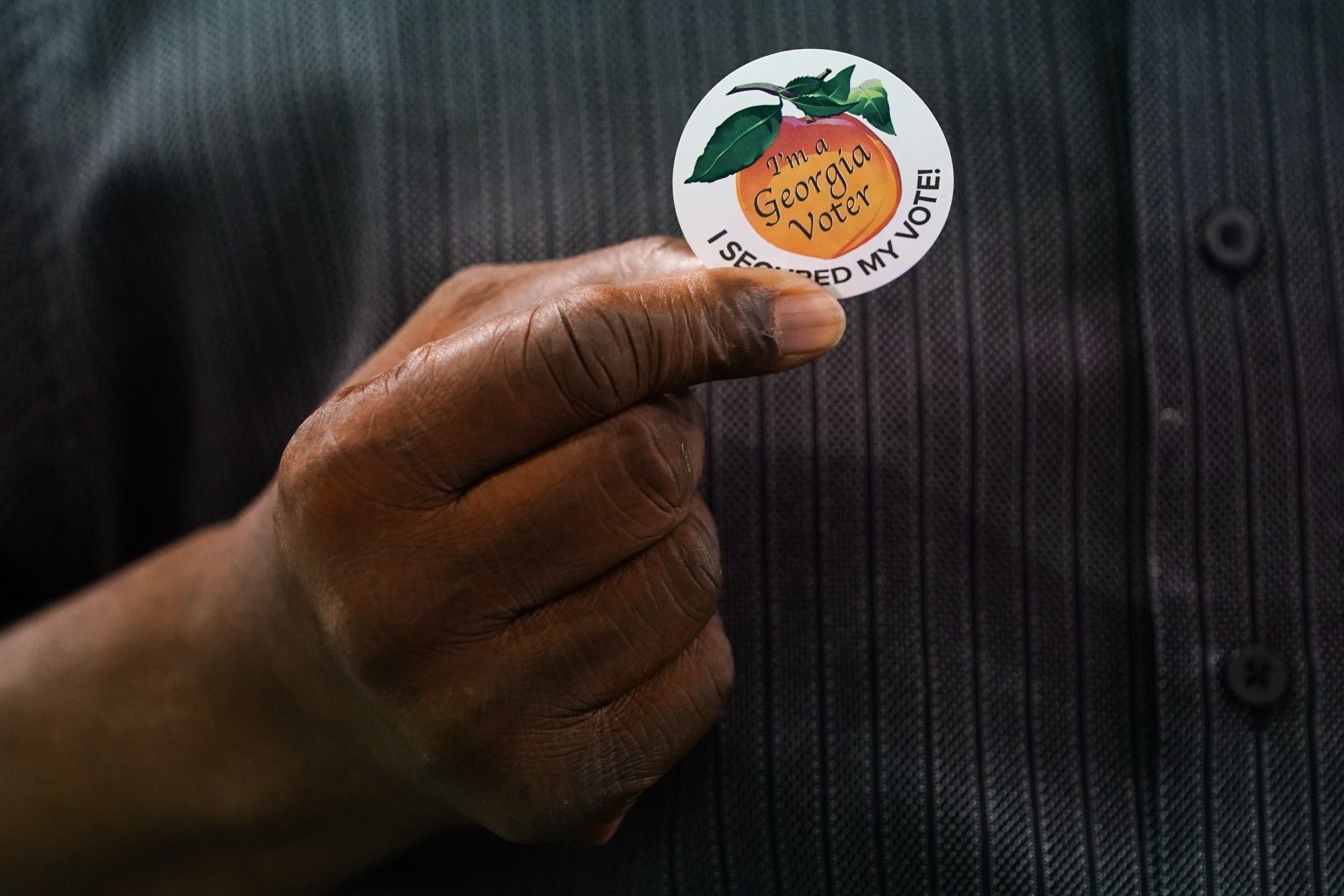
2022 Midterm Election Voter Guide
The Atlanta Journal Constitution and Atlanta Civic Circle, have partnered to publish a nonpartisan guide that allows voters to compare political candidates and learn more about their views on important issues. The Reckoning, in partnership with AJC, has been given permission to republish the guide.
Election Day is Nov. 8.
The guide provides voters with a side-by-side look at the candidates for office, their views on issues voters care about most, their party affiliation and their history in elective politics.
Georgia Decides provides information on candidates for statewide office and those for elected office in Clayton, Cobb, DeKalb, Fulton, and Gwinnett counties. It includes candidate responses to a 12-question survey designed to help voters better understand how the candidates might approach their elected position.
“The Atlanta Journal-Constitution is proud to partner with the Atlanta Civic Circle in this important public service,” said Leroy Chapman, Managing Editor at the AJC. “Our goal is to make the Georgia electorate the most educated in the country, if we can.”

For Two Recent Transplants, Atlanta’s ‘Black Gay Mecca’ Designation Not the Draw But a Bonus
For years, Atlanta has claimed the official/unofficial moniker of the “Black Gay Mecca.” The city has been considered a top destination for countless queer-identifying people of color seeking refuge and acceptance. But is that still true today?
While Atlanta continues to be attractive to most, its official/unofficial Black Gay Mecca designation isn't all that continues to draw many to live here. Two recent transplants suggest the city's Black gay population is a bonus, but was an afterthought when considering making Atlanta their current home.
"I never really saw myself living in Atlanta," LaDettria Miller, 35, told The Reckoning. "I just never had a desire to live here."
A native of Weir, Mississippi, Miller spent three weeks working in Atlanta on a temporary assignment as a certified nursing assistant.
"For whatever reason, I wasn't feeling it," he said. "In my adult life, I had only been to Atlanta twice before that. They were day trips, not really enough time to really get the feel of the city. But during those three weeks of being here, it didn't stick."
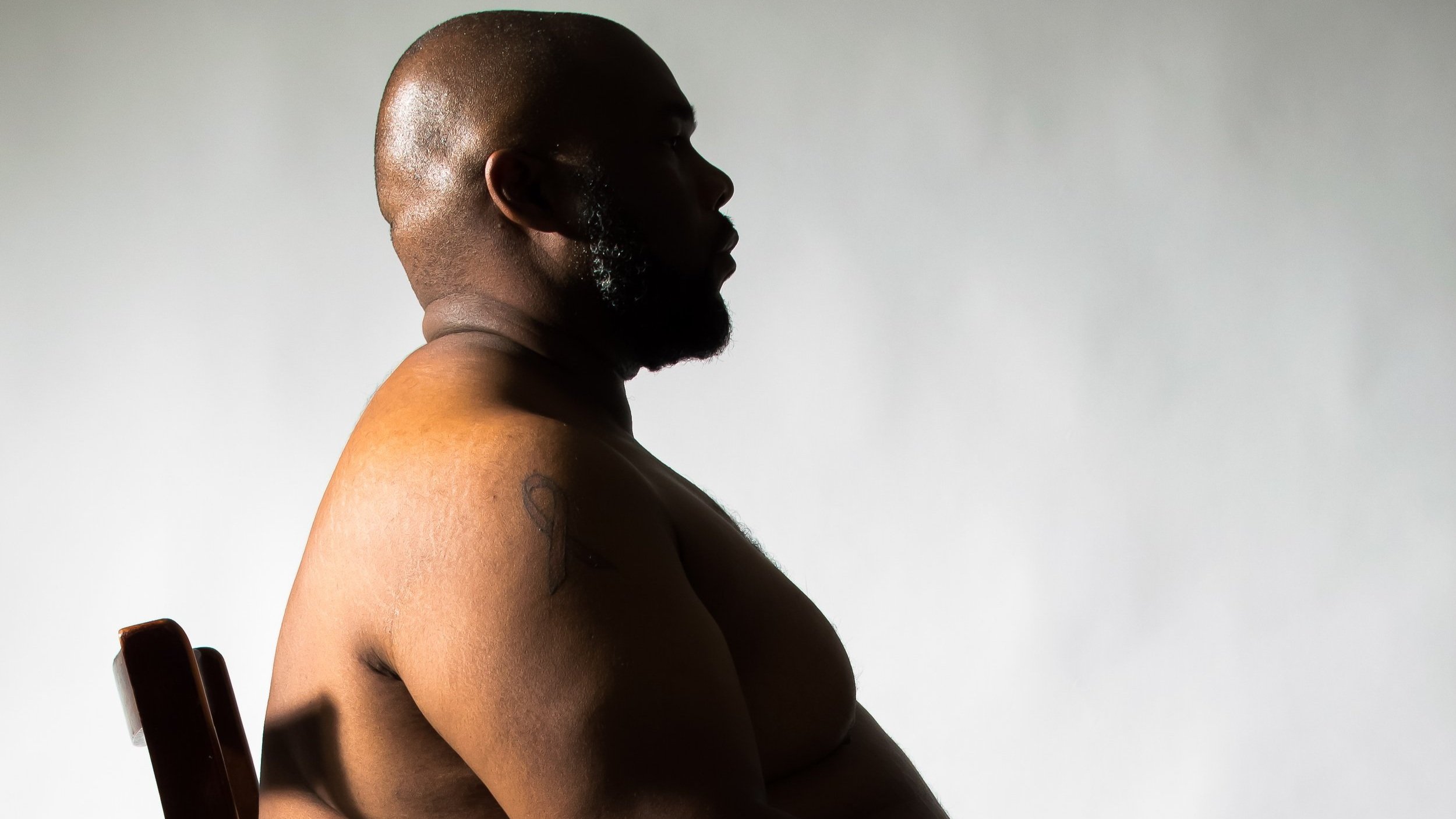
In ‘NAKED’ Photo Collection, Black Queer Vulnerability Is On Full Display
On November 12, 2017, at 6:49 pm, I received a text that read: “Antron has transitioned.”
The official cause of death was cancer, but HIV was the cause. I’ve never written that publicly before, although it’s true. Antron-Reshaud Olukayode was a poet, artist, and community activist, but more importantly, he was my friend.
2017 was an important year for me as a creative. In retrospect, it’s hard to wrap my head around just how much work I was able to curate. I produced podcasts and multiple live events, shot countless photoshoots, produced a music video, co-curated an art display at the National Center for Civil and Human Rights, and even won an award.
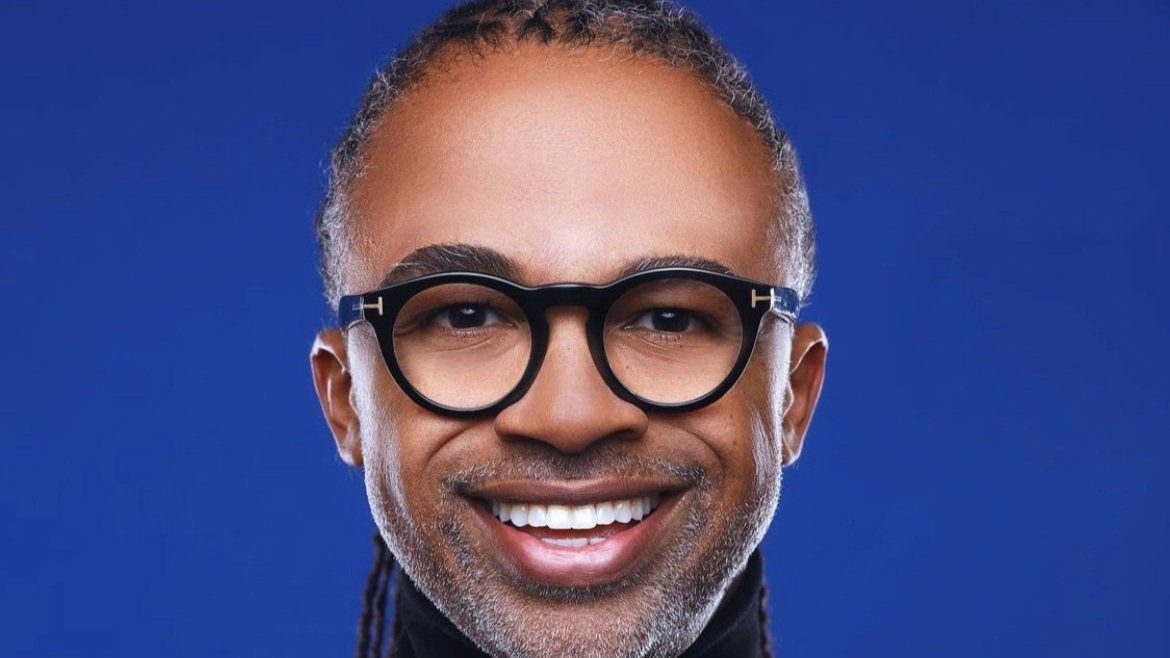
Gilead's Rashad Burgess is Advancing Health and Equity in LGBTQ Communities of Color
Before Rashad Burgess held the professional title of Vice President of Advancing Health and Equity at Gilead Sciences or the personal identification of husband and father, he witnessed the devastating effects of HIV in the early nineties as a gay teenager growing up on the south side of Chicago. As it did then, today, the disproportionate impact of HIV in the Black community experienced by Black gay men continues to fuel Burgess' work.
"I got to see what happens when you have inequity and communities being disproportionately impacted by HIV," Burgess tells The Reckoning. "I've always felt a call to make a difference in communities that felt like they were on the margins or felt vulnerable. No matter what role I've had in my career, that has driven me."
Formerly the Branch Chief of Capacity Building in the HIV/AIDS Prevention division at the Centers for Disease Control and Prevention (CDC), Burgess has dedicated most of his adult life and the last nine years with Gilead Sciences toward decreasing the impact of HIV in Black communities. In July, he stepped into his new role at Gilead Sciences as Vice President of Advancing Health and Equity.
The Reckoning spoke with Burgess about Gilead's efforts to tackle the HIV epidemic in the South. In a wide-ranging conversation, Burgess talks about Gilead's $100 million COMPASS Initiative, the impact of COVID-19 on testing and care, the importance of education and access to PrEP to curb new acquisitions, and why he believes the epidemic will end in his lifetime.

A Fat, Black, Gay Superhero Has Come To Save Us: Alex Smith's 'Black Vans' is the Future
Do fat people exist in the future?
That's likely a question that many have never thought to ask. It has been argued that people of size are some of the most openly discriminated against and marginalized. So, for some, thinking about fatness and fat people existing in the future may be hard to imagine.
But not for writer Alex Smith, a 46-year-old, Philadelphia-based artist, with roots in the Punk music scene. Smith is not afraid of anarchy. In some ways, he thrives on it, and people are taking notice. His newest work, "Black Vans," takes his ambitions to uncharted territory and places Black, queer, fatness center stage.
"If we're gonna do this, we're gonna do this," Smith tells The Reckoning. "It was a no-brainer that the main character was going to be a fat, Black bear, period," when discussing his comic book series and its lead character, "Bo," who is of Afro-Latin descent.
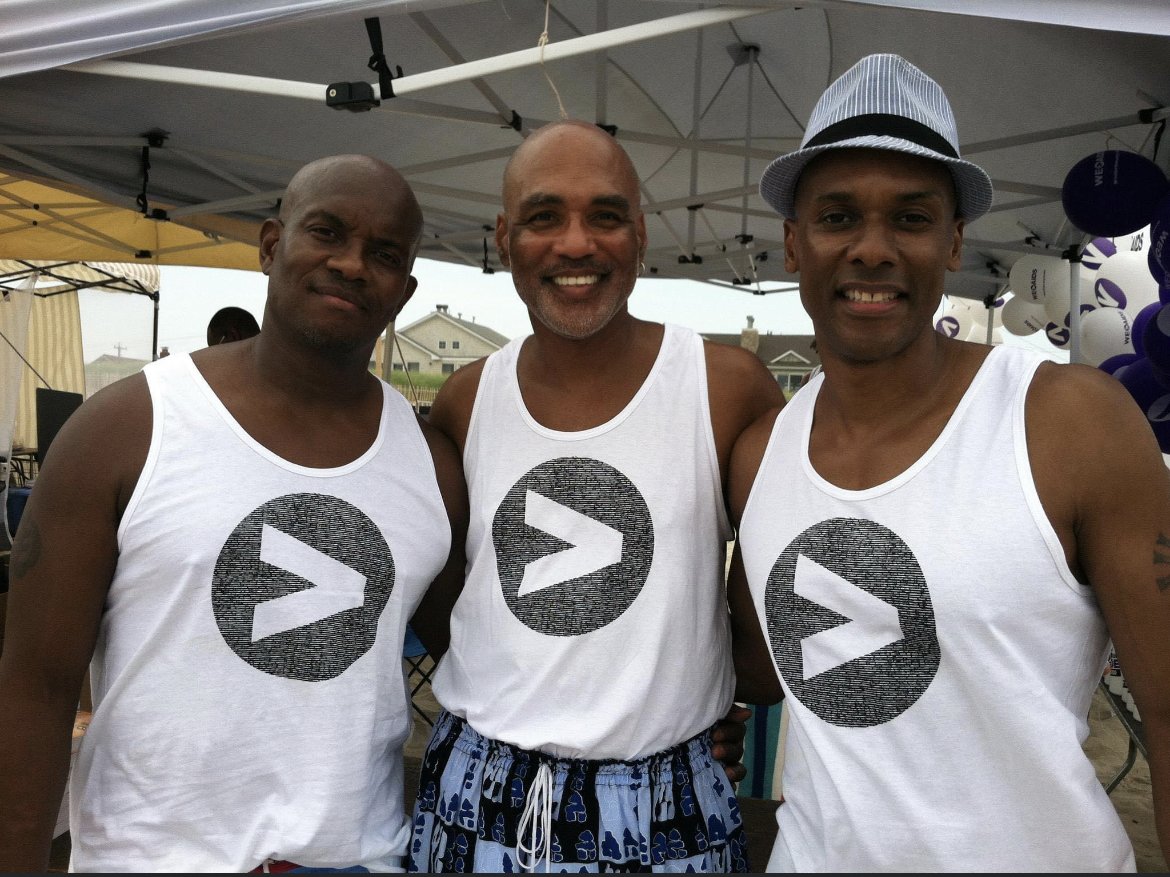
'Nobody Can Save Us, But Us:' Saying The Quiet Part Out Loud 41 Years Into The HIV Crisis
I tested positive for HIV in the spring of 1987. I had less than 200 T-Cells, which meant I met the threshold for an AIDS diagnosis. The counselor gave me six months or so to live. There were no treatments for AIDS yet. He suggested I go home and put my affairs in order. I was 30 years old. I didn't have any "affairs" to put in order. In actuality, I probably had been living with HIV for seven years by then. My husband, Chris Brownlie, who I met in 1980, already had AIDS and was experiencing opportunistic infections. Chris died in November 1989. Last month, after celebrating 66 years and four months of life (the required age to receive full social security benefits), I received my first social security check.
I've started writing my memoir. I've had thirty-six years and four months since that AIDS diagnosis to put my "affairs" in order. I've been thinking a lot about what it means to come of age, live through, and grow old in the age of HIV/AIDS. And more importantly, what we've learned, if anything, over the last 41 years that might be of importance to young Black gay men coming of age today in the middle of three pandemics—HIV/AIDS, Covid-19, and now, Monkeypox. André Gide said, "Everything that needs to be said has already been said. But since no one was listening, everything must be said again.” Monkeypox has become the new Black Plague. Black and Brown gay, men who have sex with men, and/or same gender loving men represent over 50% of the current cases of monkeypox in the United States.
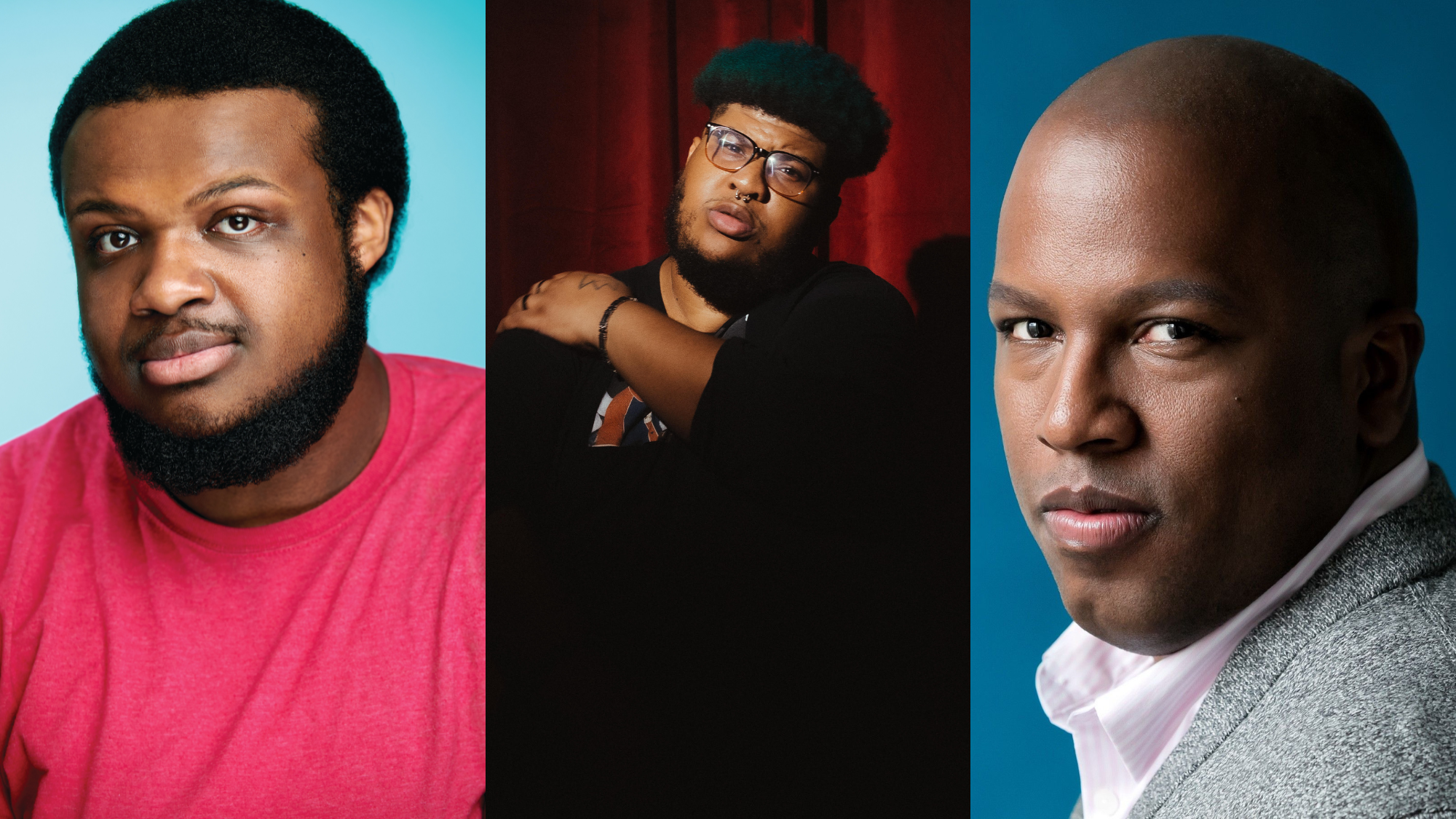
On The Other Side of The Pandemic, These Three Black Gay Artists Are Winning
Three Black gay men—a Pulitzer and Tony Award-winning playwright, a Tony award—nominated actor, and a possible future Grammy award-winning singer/songwriter— are having the time of their lives professionally and creatively. And to some extent, they credit the coronavirus pandemic.
Rob Milton, 33, is one of them.
While pundits and social scientists have debated whether the pandemic has led to a “Great Revelation” of some sort, Milton, and others, credit the pandemic with giving him the motivation needed to have the career he always wanted.
“I have pretty much surrounded myself with people who are creative, and post-pandemic, a beautiful thing has happened,” Milton told The Reckoning. “In some respects, the pandemic leveled the playing field. It caused a lot of the people I know to stop and think about how important it is to do the thing or things you are called to do.”
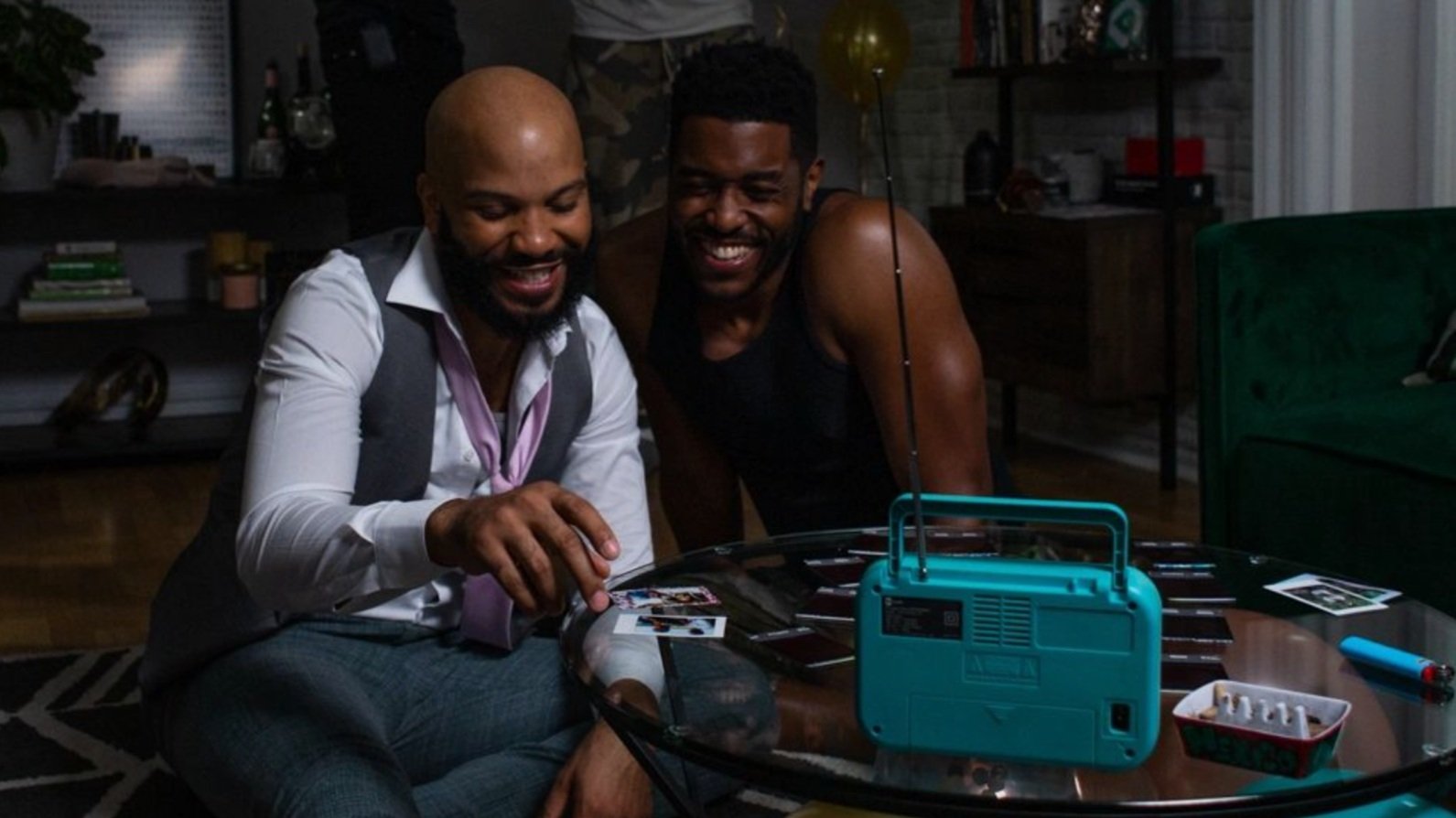
Black Queer Filmmaker Brings Shattering Romance ‘Nana’s Boys’ to Out On Film
For just about everyone, year one of the Coronavirus pandemic bought both losses and gains. Self-described “outrageous storyteller” Ashton Pina was no exception: Starting the lockdown as an up-and-coming communications professional in a committed relationship, the queer storyteller ultimately ended the first chapter of the Covid crisis as an unemployed, single man.
From those losses, however, came one tremendous gain—the framework for a cinematic exploration of love and transition that, until recently, had only lived in his very creative head.
The fruit of his journey materializes in “Nana’s Boys,” a feature-length film – his first – set to make its local debut at Out on Film in Atlanta this month. In it, Pina explores themes of beginnings and endings, artifice and reality, hope and despair, all against the backdrop of a seasoned relationship between two Black gay men.

Author Cary Alan Johnson Elevates 1980s Black Gay Experience in Debut Novel ‘Desire Lines’
In his debut novel, “Desire Lines,” author Cary Alan Johnson births a story about Black queer friendship, desire, and addiction during the onset of the HIV epidemic in New York City in the 1980s. Desire Lines marks Johnson’s first foray into long-form fiction after spending much of the last decade breathing life into characters aimed at centering the experiences of Black queer men in an HIV narrative where they have historically been forgotten.
“Of all the really great books, movies, and shows produced about gay men’s experience with AIDS in the 1980s, none have focused on Black gay men,” said Johnson. “Of all the great work about cocaine and crack addiction, none focused on the experience of Black gay men. The 1980s was a period of hysteria and pain, but it was also a moment of intense introspection and spiritual alignment. You either sank or you swam. Many of us swam and continue to swim, and I want to tell this story.”
In Desire Lines, readers follow an unnamed Black gay narrator as he grows up in Brooklyn captivated by a vision of life on the other side of the river, where the sparkle and glitter of Manhattan beckon. Coming into adulthood, he finds himself living in a five-floor walk-up in Hell's Kitchen just as the AIDS epidemic is hitting the city. We follow him and his group of friends as they experience the first wave of illness and death and then accompany him on a two-year journey to Zaire, Central Africa, where he must confront corruption and homophobia in new and unexpected ways.

Meet The Mazelins: Online Connection Leads Gay Couple Down The Aisle, Into the Hearts of Millions
Until recently, Alec Tomlin, 30, never allowed himself to dream of living the life he now leads with his husband, Brian Mazelin, 34. The Orlando-based couple wed in an intimate ceremony at Paradise Cove on July 8, 2022, in front of family and friends, and days later, to an audience of over 34,000 people who watched their wedding video on their increasingly popular YouTube channel “Meet The Mazelins.”
Tomlin, a native of Montego Bay, Jamaica, and Mazelin, a Miami, FL native, walked down the aisle, hand-in-hand in what can only be described as an out-of-body experience.
“I literally burst into tears the minute we turned the corner,” Tomlin said. “Knowing this wasn't just me as a viewer, but me as a participant in a wedding, to this day, it’s something that I don't think has hit me, like, how big it is.”
The newlywed's journey to the altar was not without its share of obstacles; from navigating a long-distance relationship in 2020 at the height of the coronavirus pandemic, to Tomlin’s exhaustive immigration process, to the rescheduling of their wedding day—their persistence and unwavering commitment proved that a delay is not a denial.
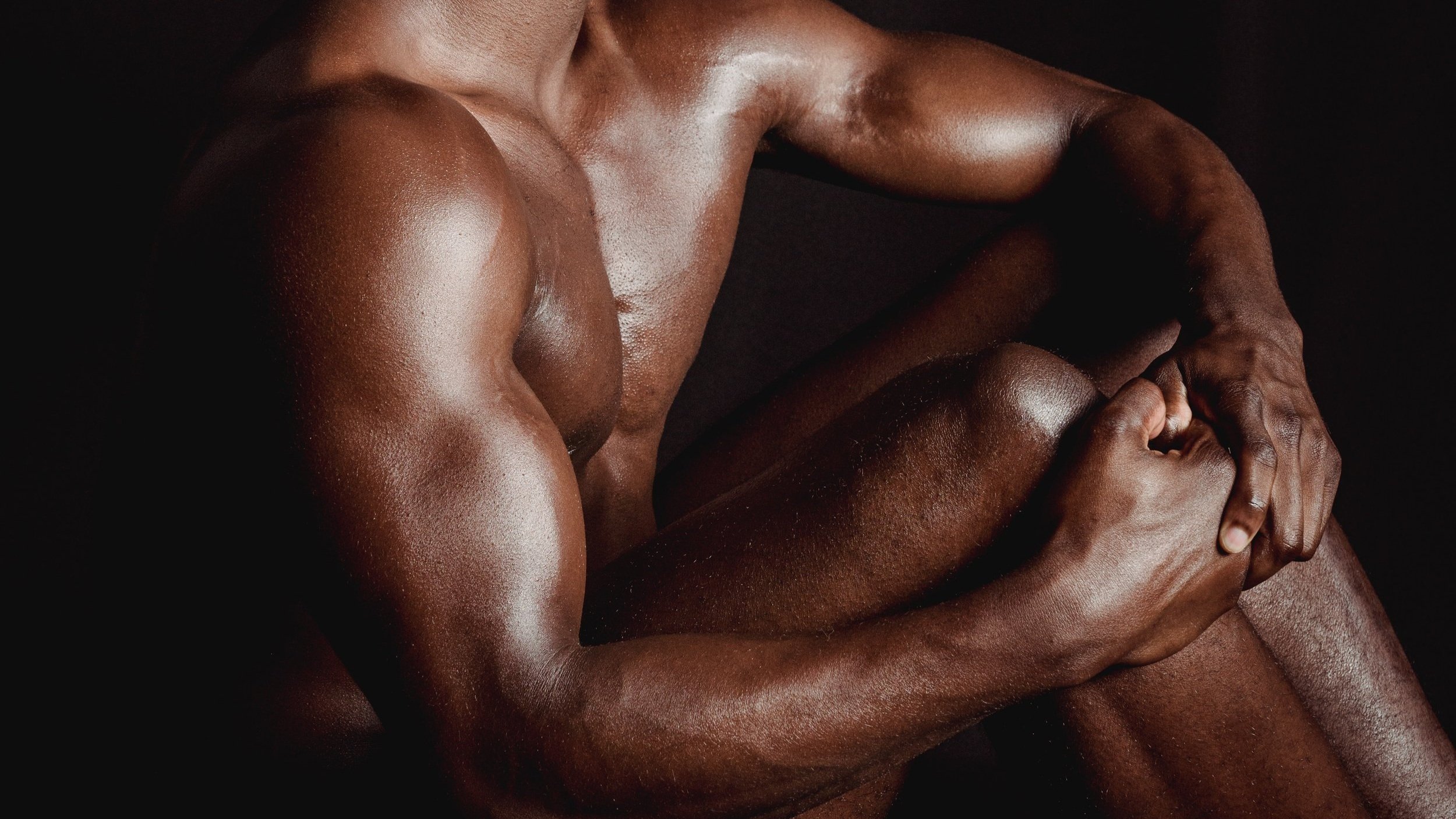
Yes, Black Queer Bodies Are Beautiful. No, You Don’t Have A License To Fetishize Them.
The sexual currency and experiences associated with Black men are rarely discussed at length or with nuance. While that lack of nuance does not absolve men of their privilege, the topic does require perspective and compassion. Let us examine how the objectification of Black male bodies shows up not only in porn but also in history and our romantic experiences.
The objectification of Black men is not a recent phenomenon but extends back to chattel slavery. In a popular YouTube video, anti-racism educator Jane Elliot injects her blue eye/brown eye experiment onto a predominantly white college campus. By doing so, Elliott triggers a young white female student who temporarily derails the experiment by abruptly exiting.
“You just exercised freedom that none of these people of color have. When these people of color get tired of racism, they just can’t walk out, because there is no place in this country where they aren’t going to be exposed to racism. They can’t even stay in their homes and not be exposed to racism if they turn on the television,” said Elliott.