
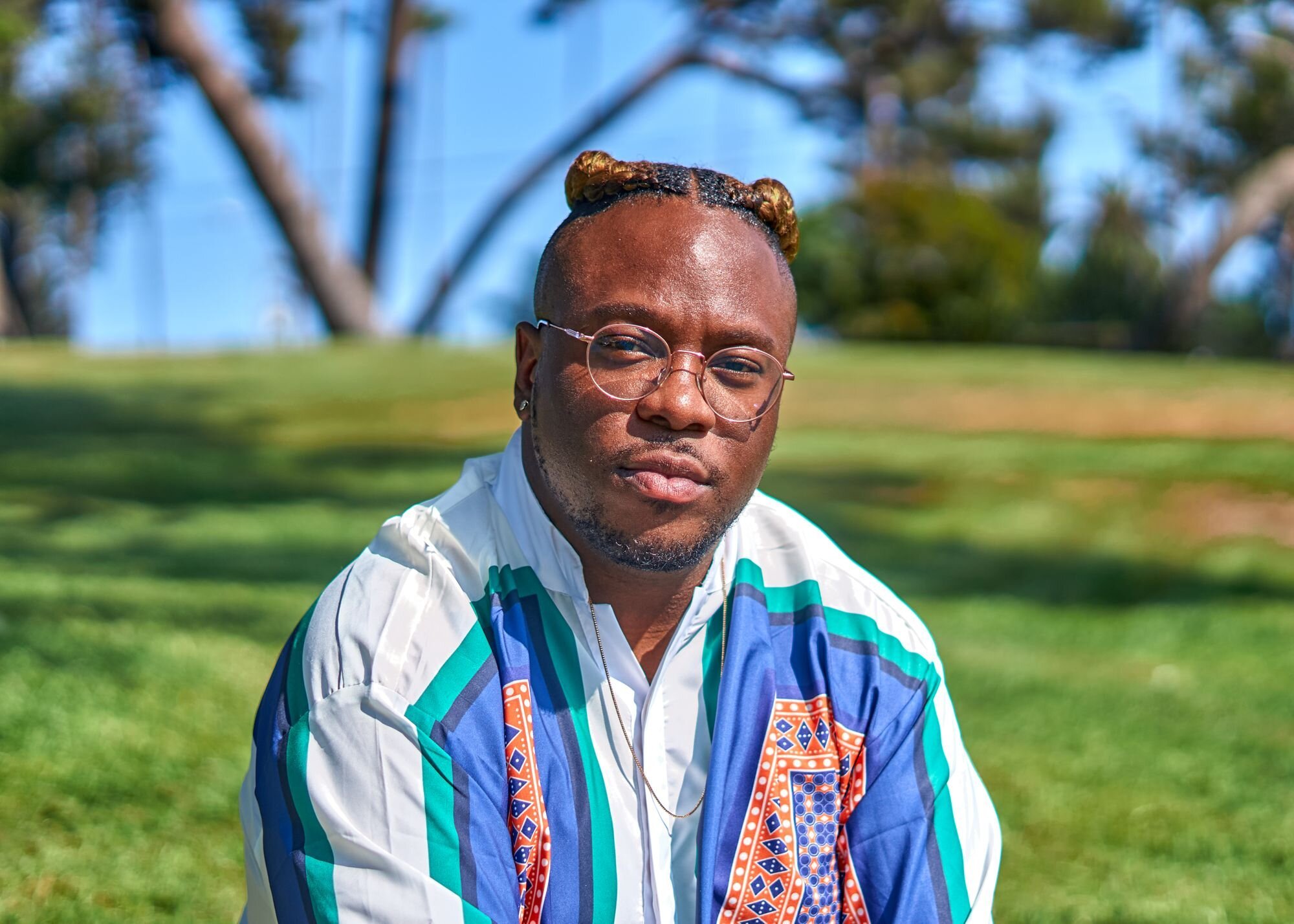
LGBTQ Author Gerrick Kennedy Talks Final Encounter with Whitney Houston that Led To New Book
A decade ago, Gerrick Kennedy was unexpectedly thrust into the spotlight.
He was in Los Angeles covering the annual Clive Davis Pre-Grammy Party. He had worked feverishly to convince his editors that it was worth covering the reunion of Brandy and Monica. They were set to perform their newest duet, “It All Belongs to Me.” It was their first performance together since the release of their Grammy award-winning hit, “The Boy is Mine.”
He was sitting with the ladies and Davis when out of the corner of his eye he saw her; one of his biggest idols, Whitney Houston. She had appeared from out of nowhere. The next day, news broke that she had died in the bathtub of her hotel room.
“I was thrust into the spotlight because I was on the scene that weekend,” Kennedy told The Reckoning. “To get a story like that! That was a breakout year for me.”
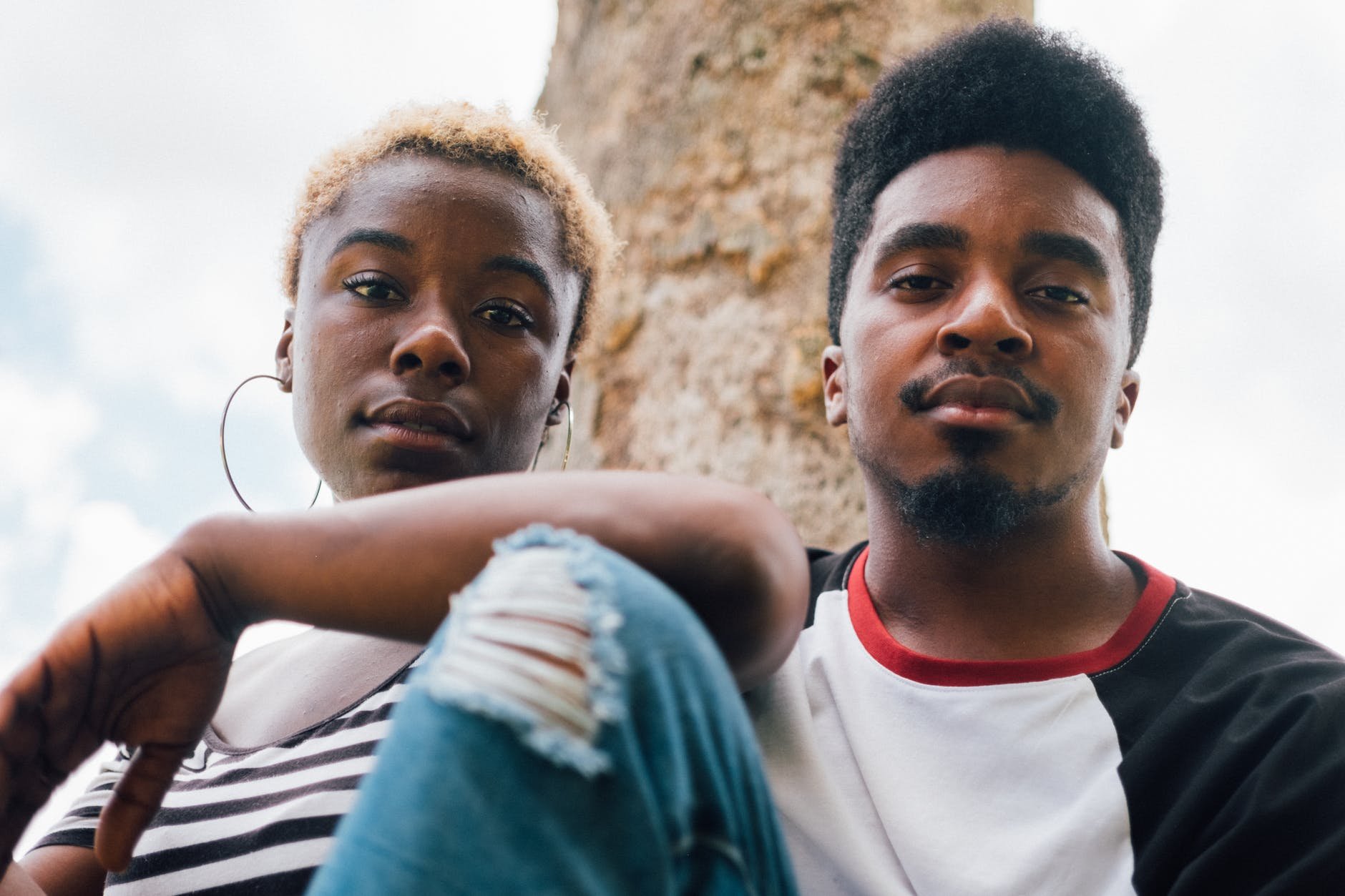
LGBT Detroit Tackles Stigma, HIV Decriminalization On College Bus Tour
When LGBT Detroit kicks off their “Sex, Hooking Up, and The Apps” four-day college bus tour on March 29, they will do so in the tradition of famous Black Detroiters who boarded buses and traveled across the country decades earlier to spread a sound that defined a generation. And while this new tour may be less flashy than a Motown revue, it is no less vital to the culture.
Originally launched in 2019, this year's bus tour is the second outing for LGBT Detroit and their ongoing effort to educate Michigan’s Black LGBTQ+ population on the facts about HIV prevention, transmission, and the state’s newly reformed HIV criminalization law.
The updated Michigan law, signed by former Gov. Rick Snyder, requires the person living with HIV to tell their sexual partner their status before having vaginal or anal sex unless they are undetectable and have no intent to spread the virus. Unlike the previous law, which charged the person living with HIV with up to a 4-year felony sentence for not disclosing their status before penetration — no matter their detection.

Staying In The Race: What Black LGBTQ+ People Need To Know About The Metaverse and New Technology
Does it surprise you that the concept of digital currency dates back to the early 1980s and the first digital currency emerged in 1995? I’ve always had a passing knowledge of emerging technologies, but I felt like cryptocurrency snuck up on me. DigiCash, founded in 1994, “set out to create a mechanism for consumers to make ‘micropayments’ for online transactions—such as purchases of individual articles or music singles. Unlike credit cards, which reveal a buyer's identity to vendors, DigiCash's encryption would have made its electronic money as anonymous as cash.” This information blew me away.
Like for many, Bitcoin seemed to come out of nowhere. For me, it was a confusing concept. The idea of a form of digital currency operating outside of a traditional banking system was a lot to wrap my head around. It was something I tried to look away from, but as Bitcoin began to make way for cryptocurrency millionaires, it became harder to ignore.

Never Enough Time: Black Gay Men Grieve, Rebuild After Unexpected Parental Loss
At 52 years old, Jay Torrence, better known to most as Jay King Holliday, considers himself an orphan.
In the last 10 years, the co-creator and co-founder of the annual spring break gathering, Big Boy Pride, has had to bury both his mother and father. His father, whom he admits he hadn’t always had the closest relationship with, died from cancer in October 2012. His mother, and the person he still considers his best friend, died suddenly in December 2019.
“There is something really confusing about it—being without both of my parents at 52. I am a 52-year-old orphan,” he proclaimed to The Reckoning. “It doesn’t seem that it should be as impactful as it is, but it is—coming to terms with the reality that I’ve lost a lot of my legacy. The people who connect me to my history are no longer present.”
Most of those who have experienced the loss of a parent admit that it changes them. The pain never goes away, and the loss creates an unfillable void. For Holliday, a New York native now residing in Atlanta, the losses have had a unique effect on him. Prior to his father’s passing, they had time to heal.

Despite What You May Have Been Told, Your Queer Sexuality Is Sacred
Monroe Howard-Shackelford, a D.C.-based licensed psychotherapist, is reframing the way Black queer men view their sexuality through a series of “Sacred Sexuality” virtual workshops and a recent in-person presentation at the 2022 NAESM Conference.
Howard-Shackelford says he never heard anti-gay sermons in the church he grew up in, but the message was clear about how society and the traditional Black church felt about LGBTQ+ people. Any romantic relationship or sexual desire that dared to exist outside of the heterosexual binary of traditional marriage was to be demonized. For many Black queer men, the messages received from the pulpit are often in direct conflict with their truth, making it nearly impossible to experience organized religion without harm being inflicted.
For some LGBTQ+ people who are deeply entrenched in the Black church experience, the concept of queer sexuality being sacred can be jarring, if not completely foreign. Sexuality is sacred on its own, and that includes Black queer sexuality, says Howard-Shackelford.

Your Skin Is Valuable: Black, LGBTQ Tattoo Artists Overhaul a Whitewashed Industry
When most people envision a tattoo artist, the image of a white male—probably young, possibly a metal fan, and unquestionably heterosexual—comes to mind.
And then there’s Oba Jackson, a tattoo artist flying in the face of expectations both inside and outside the industry.
He’s big—6’3” to be exact—with a penchant for unique fashion a la Grace Jones. He’s unapologetically Black, his social media peppered with “power to the people” fists and exclamations against racist stereotypes in tattooing. He’s gay, looking forward to his 15th anniversary with his hairstylist husband, this spring.
Perhaps most importantly, he’s the owner of Push Tattoo Studio, a Wilmington, Del. shop working to create more inclusion in an industry that’s long been considered a white boy’s club.

Actor James T. Lane Is ‘Uniquely Qualified’ To Tell Story of Troubled Singer In ‘Ain’t Too Proud’ Musical
In the first national tour of “Ain’t Too Proud: The Life and Times of The Temptations,” Broadway actor James T. Lane, 44, transforms into Paul Williams, the embattled original lead singer, and choreographer of the legendary Motown singing group. The tour will begin a six-day residency at Atlanta’s Fox Theatre on March 8. Nominated for 12 Tony Awards, and winner for Best Choreography, “Ain't Too Proud” tells the thrilling story of brotherhood, family, loyalty, and betrayal, as the group's personal and political conflicts threatened to tear them apart during a decade of civil unrest in America.
For eight shows a week, the openly gay actor embodies the highs and lows of a tortured artist incapable of escaping his own demons. It’s a story that parallels a period in Lane’s life that makes his casting feel more like a divine assignment than an additional credit on an already impressive resume. From the moment he showed up to audition for the role, to belting out Williams’ signature song, “For Once In My Life,” Lane has been appointed for such a time as this.
“The final audition was an in-person audition in New York City at Pearl Studios and there was no one there for the role,” Lane says. “I don't know what was happening, but I was the only one there. I couldn't get through the song [“For Once In My Life”] in the audition without bursting out into tears because it just meant so much,” he said.
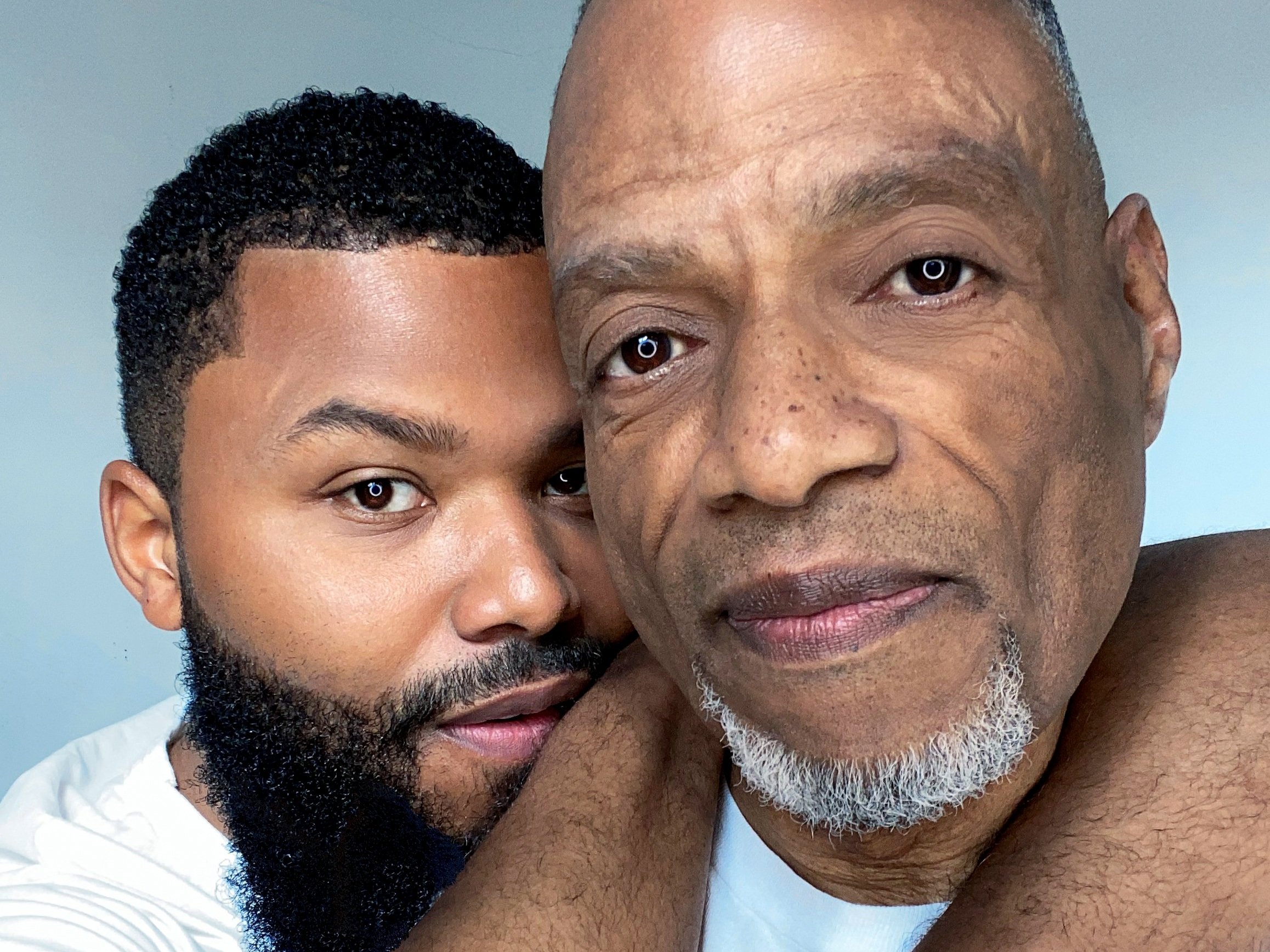
The 26 Year Age Difference Between This Black Gay Couple Created An ‘Opening Of Peace’
Author Doug Cooper Spencer, 67, almost let the opportunity to fall in love again pass him by. In 1998, sitting in Fountain Square, a busy plaza in downtown Cincinnati, as he continued to work on his first novel, he noticed someone walking by.
“I saw these nice legs walk past, and I glanced at them, like, ‘Oh, he’s got nice legs.’ That's it—because I'm an introvert,” he said.
Doug had dissolved a relationship a year and a half prior and wanted to focus on writing. While glancing up from the legs that caused his temporary distraction, he caught the eye of the person to whom those legs were attached.
“He catches me [looking up] and he stops and I'm like, oh God, here we go. No, I do not want to be bothered,” Doug recalls thinking to himself.

In Feature Film Debut, Brandon Black Plays Openly Gay Character in Tyler Perry’s ‘A Madea Homecoming’
Actor Brandon Black (“Dear White People,” “Insecure”) is aware that his performance in Tyler Perry’s new film “A Madea Homecoming” as the first openly gay character in the history of the 23-year-old franchise is bigger than entertainment.
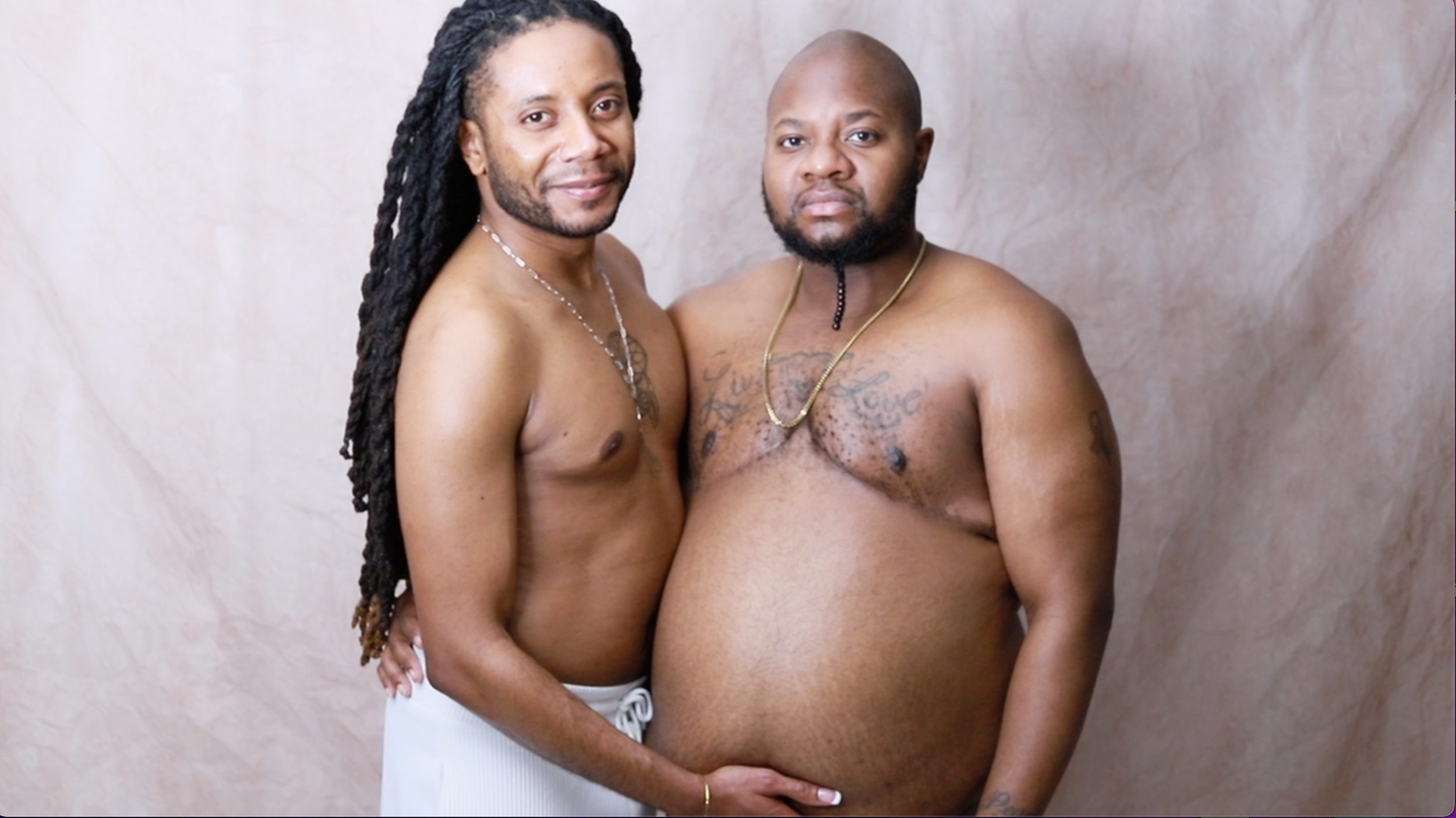
With A Baby On The Way, This Black LGBTQ Couple Is Expanding The Definition of Family and Gender
In June, Alphonso Mills, 30, and his fiance Ja’Mel Ware, 33, will become fathers. They shared the news of their expanding family in a short video posted on their respective social media accounts on Feb 22, marking the 22nd week of their baby’s development. While Black queer couples are frequently raising children that are both biological and adoptive, especially in the South, Ware, who identifies as a queer transmasculine man and was assigned female at birth is carrying the couple’s first child. On testosterone for over a decade, Ware says he never imagined that he’d one day have to decide to stop receiving gender-reinforcing hormones in order to conceive, but that was before he met Mills.
Ware proposed in October 2020, during a trip to Walt Disney World after dating Mills for two years. It was a surprise affirmation of their commitment to each other that Mills later reciprocated with a proposal of his own.
“There was just something about our connection that made me realize as long as I could do this, I would do it,” Ware says.

7 Black LGBTQ+ Things We're Looking Forward To This Spring
Are you looking forward to spring as much as we are? Besides the anticipation of warmer temperatures, there are quite a few exciting projects on our radar from Black queer creatives that we believe should be on yours too. From new book releases to theatrical productions, and even an LGBTQ+ bus tour. There’s something for every Black LGBTQ+ person and our allies to enjoy as queer content creators continue to elevate the stories and experiences of our community from the page to the screen. This is not a comprehensive list. And while we’re excited to share our picks with you, we’d love to hear about the Black queer projects that have you excited about their spring arrival. Dive into our selections below.
In Atlanta Show, LGBTQ Comedian Sampson McCormick Wants To Evoke More Black Queer Joy
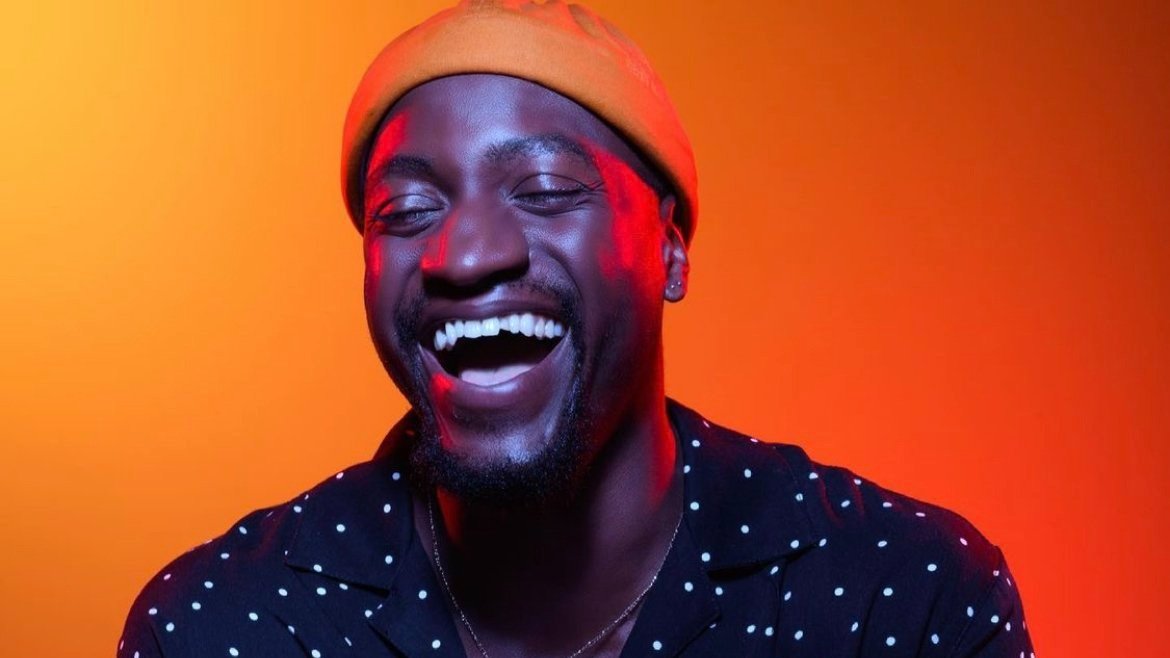
Any attempt to make it through a conversation with comedian Sampson McCormick without laughter will fail. The trailblazing gay comedian has delighted and challenged audiences with his spirited brand of Black queer comedy for over two decades. McCormick’s Atlanta fans will have the chance to experience him live during a special Black History Month appearance: “Black Joy: A Night of Laughter with Sampson,” on February 23 at MIXX Atlanta. This time around, McCormick says he’s being intentional about centering Black joy.
“As a community, we need to place an emphasis on our joy, on our ability to embrace the experiences that we have and celebrate those with reflection through laughter,” he said.
Until recently, McCormick has been the only openly, gay Black male comedian, touring the country, performing at major comedy clubs, and headlining shows.
“There’s still not a lot of us. And I’m talking about headliners that can go to the comedy clubs and carry a show all weekend. I'm still one of the only ones who can do that,” he said.
MasterBator: How Three Black Gay Men Are Having The Best Sex of Their Lives Solo
These men are taking their pleasure into their own hands.
While this reality may not be revolutionary, especially considering the data from one study that suggests 92% of American men masturbate, these three Black gay men are doing two things the majority of the population refuse to do—they’re talking openly about their masturbatory practices, with two of the three men exclusively identifying as solosexual—individuals who prefer masturbation (or “bating” as it’s commonly called) over other forms of sexual activity. For these men, and perhaps, many more like them, getting off solo is not a substitution for “the real thing,” their sex lives are real and so are the mind-blowing orgasms they experience multiple times a day.

The Reckoning’s Valentine’s Day Gift Guide
Valentine’s Day is upon us, and by now, you should have already purchased that special gift for your partner. But if you’re experiencing panic because you’ve waited until the last minute, take a deep breath and relax—we’ve got you covered. The Reckoning has compiled a list of great gift ideas that can be delivered directly to your doorstep or serve as an inspiration for similar gifts that can be found at shops in your local area. And if you’re in Atlanta, we’ve also listed a few Black LGBTQ+-owned businesses that you can support. After all, the love expressed between you and your partner should never be confined to a commercial holiday. Many of the gifts and dining choices on our list can be shared every day of the year. Check out the items that are making our hearts flutter inside.

Black Queer Cyclists Are Creating Community, Inviting Others To Take To The Street
Cycling is quickly becoming the newest phenomenon of transportation in Atlanta. However, almost explicitly missing from the conversation is the presence of Black queer voices and how popular cycling is to this group, whether native or transplant.
Octavia “Tay” Roberts, better known as Big Oreo, and Lauren Fareira, known best as Senorita Awesome, are two Black queer cyclists leading the way for more to join the experience.
Eight or so years ago, Big Oreo became interested in cycling. But it wasn’t until 2015 before she purchased her first bike. And as soon as she did, she got busy immersing herself in the culture.
“I got the bike and then went and got a job at [the popular sandwich shop] Jimmy John’s—because I wanted to,” the Atlanta native told The Reckoning. “The type of cycling Jimmy John’s cyclists do is unorthodox. It’s not like how you would see a group of cyclists or even racers.”
Co-founder of the cycling group Rolling Peach Bandits, Big Oreo considers herself an urban street cyclist. When on her own, or with a group of her buddies, she can be seen dipping and dodging traffic on her fixed-gear bike. It’s an exhilarating thrill for her.
Celebrating Pomo Afro Homos: Pioneers of Black Queer Theater
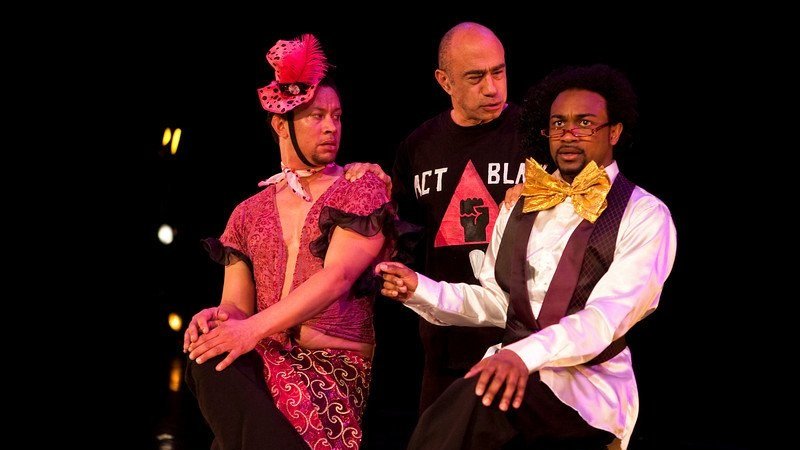
For decades, Black queer creatives have used the art of storytelling to empower themselves and others by telling boldly unique stories created specifically for the Black LBGTQ+ community. However, not very long ago, there was a dire need for Black queer representation, even more so than it is today. In response to that void, pioneering San Francisco based Black gay theater troupe the Postmodern African American Homosexuals (affectionately referred to as Pomo Afro Homos) dominated stages during the early 1990s with their mix of humor, heart, and transparency in the wake of the burgeoning HIV epidemic and ongoing racial disparities.

If Elected, Everton Blair Will Become Georgia’s First Black LGBTQ School Superintendent
At a time when the needs of students across the state of Georgia should be the top priority, state leaders, as far as Everton Blair is concerned, are distracted.
“They are busy picking fights with each other and squandering a $3.6 billion surplus opportunity,” Blair told The Reckoning. “We are not taking advantage of the moment before us.”
Blair, currently chairman of Gwinnett County’s Board of Education, is running to be Georgia’s next school superintendent. By all accounts, his campaign is touted as a historic one. If he is elected, Blair will be the first Black, first openly gay, and youngest person to hold the position. But making history is not exactly the motivating factor for Blair.

CNP Calls for Collective Remembrance on National Black HIV Awareness Day
The Counter Narrative Project (CNP) was founded as a love letter to early HIV movement leaders, some of whose stories are documented in books such as “In The Life” and “Brother To Brother,”—two sacred texts amplifying the voices of Black gay men in the early HIV crisis. CNP is committed to not only countering narratives but shattering myths as we work at the intersection of public health, narrative shift, and collective remembrance. Acknowledging our past as Black people and Black HIV movement leaders has been the fuel for our activism. At CNP, we believe that historical erasure is anti-Black racism. By healing collective trauma, we are elevating community power.
Exhuming Black Gay Artist Tré Johnson, 26 Years After His Death
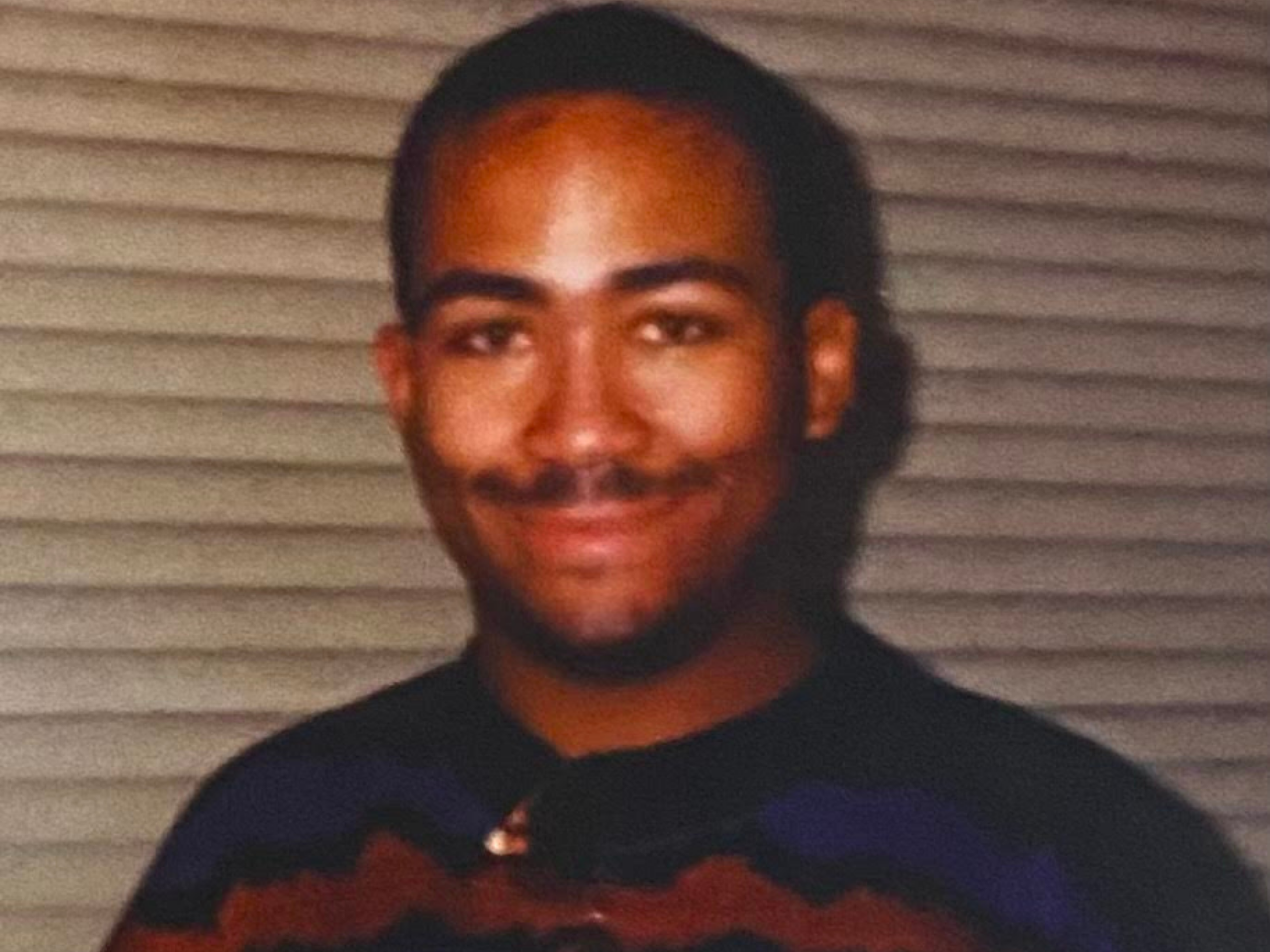
This April will mark the 26th anniversary of the death of R. Leigh Johnson, or Tré, as he was affectionately called by his family and those in Atlanta’s burgeoning Black gay community of the early ‘90s. A talented poet, singer, and activist, Tré (as I will refer to him going forward) was a creative force whose light was dimmed entirely too soon. Having moved to Atlanta in 2006, a decade after his passing, I’d never heard his name mentioned in activist circles, or read any of his poetry. I didn’t know that he’d once walked the same streets as I did and made it possible for me to experience the liberation and freedom that I now enjoy as an out Black gay man.
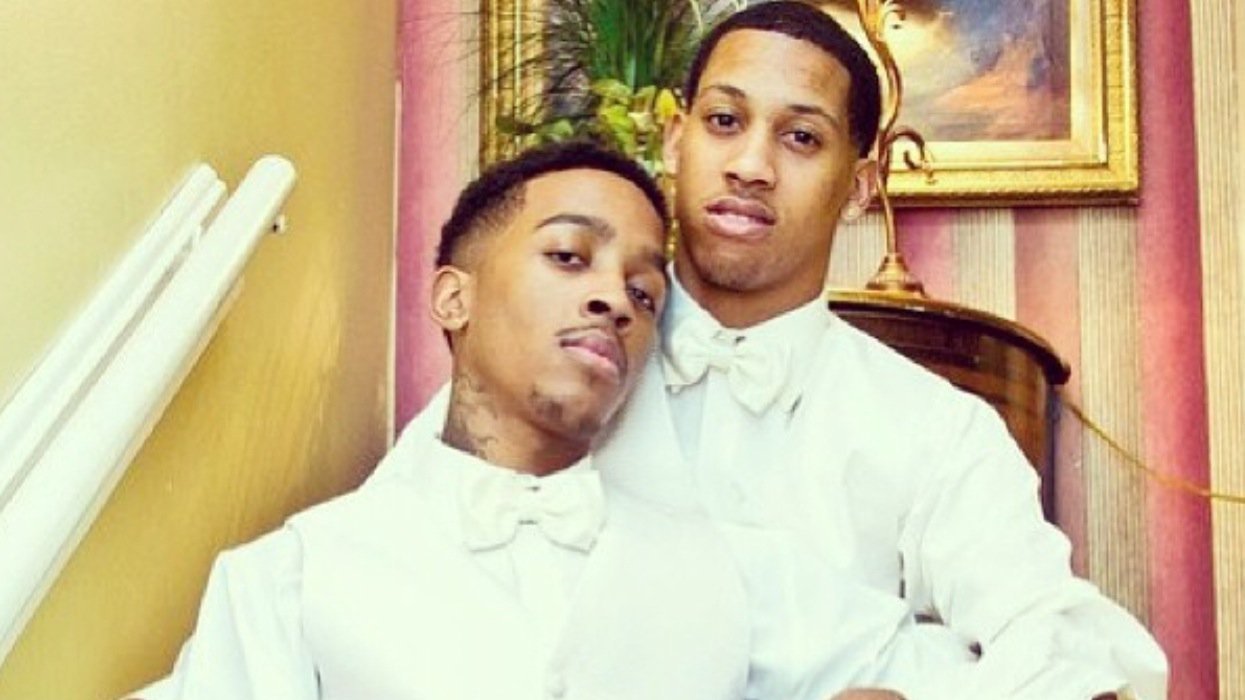
LGBTQ+ Spouses Share Their Journey Back from Loss: ‘There’s Got To Be Something Here For Me’
Barren, dark, and sedentary, the winter months can be emotionally challenging in general, and worse for LGBTQ+ people coping with the loss of a partner. One less table setting, one less gift under the tree,—the season can be filled with stark reminders of absence, at times made worse by a community that may accept but not necessarily embrace same-sex marriage. Surviving spouses can face invisibility among friends and even family that deny the nature of their relationship with the deceased—the “roommate” or “special friend” syndrome—or may find themselves feeling uncomfortable in hetero-centric grief counseling settings.
And yet the winter months, with their emphasis on togetherness and intimacy, can be exactly when LGBTQ+ people coping with grief need the most support. The Reckoning sat down with two community members navigating the loss of a longtime spouse. From rediscovering romance to awakening the author within, each man has used their own set of unique tools to navigate through the darkness, offering words of hope for others on the path out of their own personal winter.