
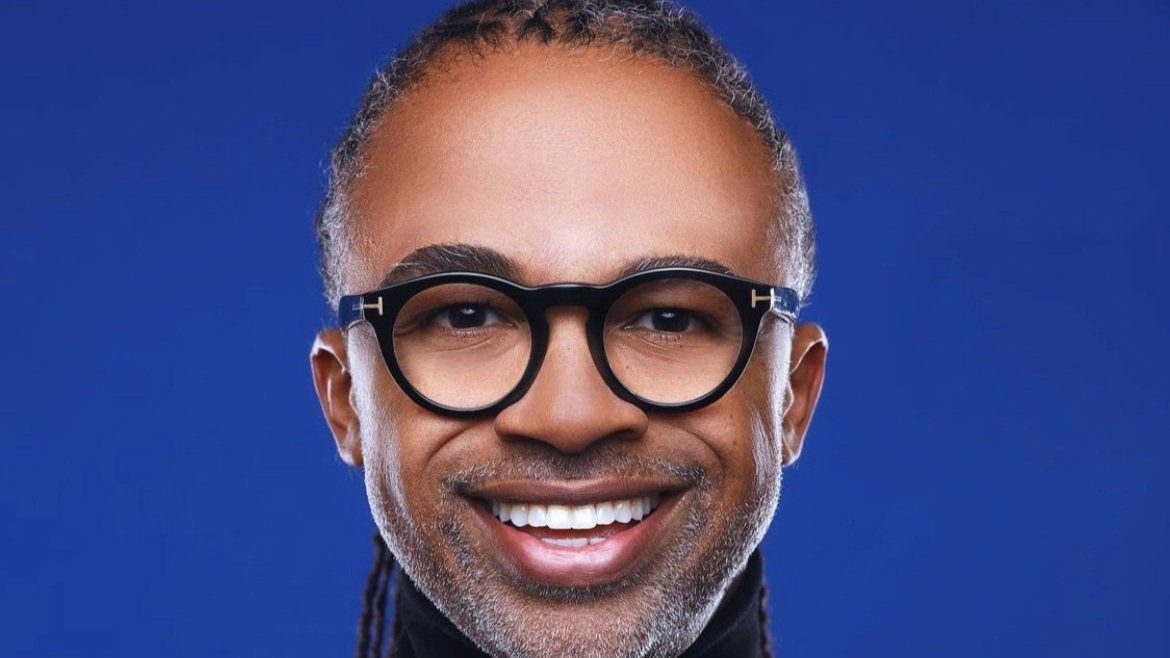
Gilead's Rashad Burgess is Advancing Health and Equity in LGBTQ Communities of Color
Before Rashad Burgess held the professional title of Vice President of Advancing Health and Equity at Gilead Sciences or the personal identification of husband and father, he witnessed the devastating effects of HIV in the early nineties as a gay teenager growing up on the south side of Chicago. As it did then, today, the disproportionate impact of HIV in the Black community experienced by Black gay men continues to fuel Burgess' work.
"I got to see what happens when you have inequity and communities being disproportionately impacted by HIV," Burgess tells The Reckoning. "I've always felt a call to make a difference in communities that felt like they were on the margins or felt vulnerable. No matter what role I've had in my career, that has driven me."
Formerly the Branch Chief of Capacity Building in the HIV/AIDS Prevention division at the Centers for Disease Control and Prevention (CDC), Burgess has dedicated most of his adult life and the last nine years with Gilead Sciences toward decreasing the impact of HIV in Black communities. In July, he stepped into his new role at Gilead Sciences as Vice President of Advancing Health and Equity.
The Reckoning spoke with Burgess about Gilead's efforts to tackle the HIV epidemic in the South. In a wide-ranging conversation, Burgess talks about Gilead's $100 million COMPASS Initiative, the impact of COVID-19 on testing and care, the importance of education and access to PrEP to curb new acquisitions, and why he believes the epidemic will end in his lifetime.
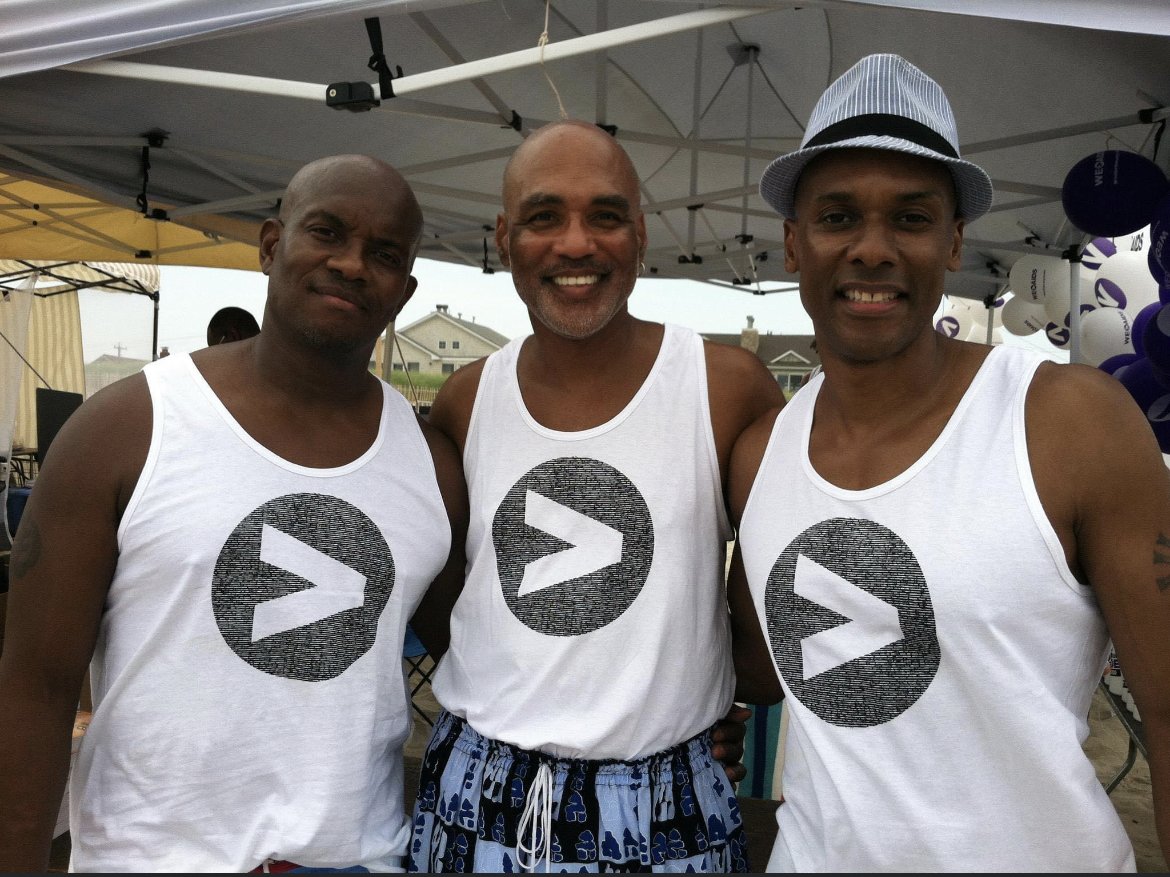
'Nobody Can Save Us, But Us:' Saying The Quiet Part Out Loud 41 Years Into The HIV Crisis
I tested positive for HIV in the spring of 1987. I had less than 200 T-Cells, which meant I met the threshold for an AIDS diagnosis. The counselor gave me six months or so to live. There were no treatments for AIDS yet. He suggested I go home and put my affairs in order. I was 30 years old. I didn't have any "affairs" to put in order. In actuality, I probably had been living with HIV for seven years by then. My husband, Chris Brownlie, who I met in 1980, already had AIDS and was experiencing opportunistic infections. Chris died in November 1989. Last month, after celebrating 66 years and four months of life (the required age to receive full social security benefits), I received my first social security check.
I've started writing my memoir. I've had thirty-six years and four months since that AIDS diagnosis to put my "affairs" in order. I've been thinking a lot about what it means to come of age, live through, and grow old in the age of HIV/AIDS. And more importantly, what we've learned, if anything, over the last 41 years that might be of importance to young Black gay men coming of age today in the middle of three pandemics—HIV/AIDS, Covid-19, and now, Monkeypox. André Gide said, "Everything that needs to be said has already been said. But since no one was listening, everything must be said again.” Monkeypox has become the new Black Plague. Black and Brown gay, men who have sex with men, and/or same gender loving men represent over 50% of the current cases of monkeypox in the United States.

Activists Fight to Decriminalize HIV, Stigma Attached To LGBTQ Sex Workers
HIV and sex work criminalization often intersect, which means a person suspected of “exposing” someone to a virus can be grouped with a person exchanging sex for money, housing, or food, as both are labeled “criminals.” Advocates from both decriminalization sectors have rallied for doing away with these long standing policies, which have public health and criminal justice implications.
Organizations ranging from the Positive Women’s Network and the Sero Project to Sex Workers Outreach Project USA (SWOP-USA) have concentrated forces most recently to tackle both HIV and sex work criminalization in a collective called Health Not Prisons. They’re organizing to remove criminal charges and shift policing away from sex workers and people living with HIV (PLWH).
Chauncey McGlathery, sexual justice coordinator at the Sero Project, supports breaking down the silos that have kept HIV activists and sex worker activists from joining forces.
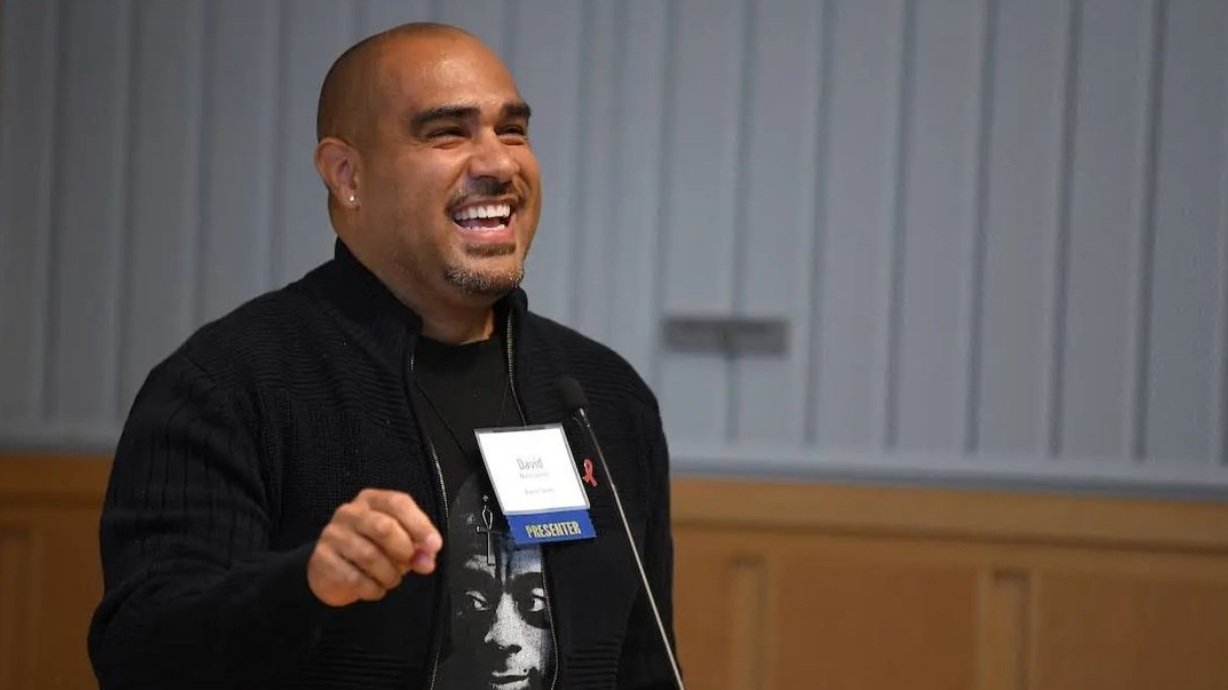
The Rebirth of Dr. David Malebranche: How A Devastating Loss and Professional Detour Fueled A Comeback
There was a bedtime and morning ritual in the Malebranche household. A kiss from the family patriarch to his son David and daughter Michelle that was so routine—his decision to replace David’s kiss with deafening silence—reverberated loudly throughout their home in Galway, NY, in the summer of 1992.
Despite being an exceptional student with degrees from Princeton, Emory, and Columbia Universities, Malebranche, now 53, had become accustomed to achieving a level of success that appeared to impress everyone but the Haitian-born surgeon he called dad. Yet he was not accustomed to being viewed as a disappointment by the man he idolized.
“Donna, is our son trying to tell us something?” Malebranche recalls his father asking his mother almost daily, particularly after getting his ears pierced, and choosing to wear an earring in the right ear only on this particular day, which in the early 90s was a cultural indicator that a man was not heterosexual.
“He would ask her that question every morning. He would not let it go,” Malebranche said. “So after the third or fourth morning, she'd say, ‘What do you want me to do? I can’t cover for you.’”
“I'm 23. If he's not man enough to ask me directly, he’s not man enough to hear it from me, so you tell him,” he said. “And so she did. Those three days that I was home, he didn’t speak to me at all.”
LGBT Detroit Tackles Stigma, HIV Decriminalization On College Bus Tour
When LGBT Detroit kicks off their “Sex, Hooking Up, and The Apps” four-day college bus tour on March 29, they will do so in the tradition of famous Black Detroiters who boarded buses and traveled across the country decades earlier to spread a sound that defined a generation. And while this new tour may be less flashy than a Motown revue, it is no less vital to the culture.
Originally launched in 2019, this year's bus tour is the second outing for LGBT Detroit and their ongoing effort to educate Michigan’s Black LGBTQ+ population on the facts about HIV prevention, transmission, and the state’s newly reformed HIV criminalization law.
The updated Michigan law, signed by former Gov. Rick Snyder, requires the person living with HIV to tell their sexual partner their status before having vaginal or anal sex unless they are undetectable and have no intent to spread the virus. Unlike the previous law, which charged the person living with HIV with up to a 4-year felony sentence for not disclosing their status before penetration — no matter their detection.
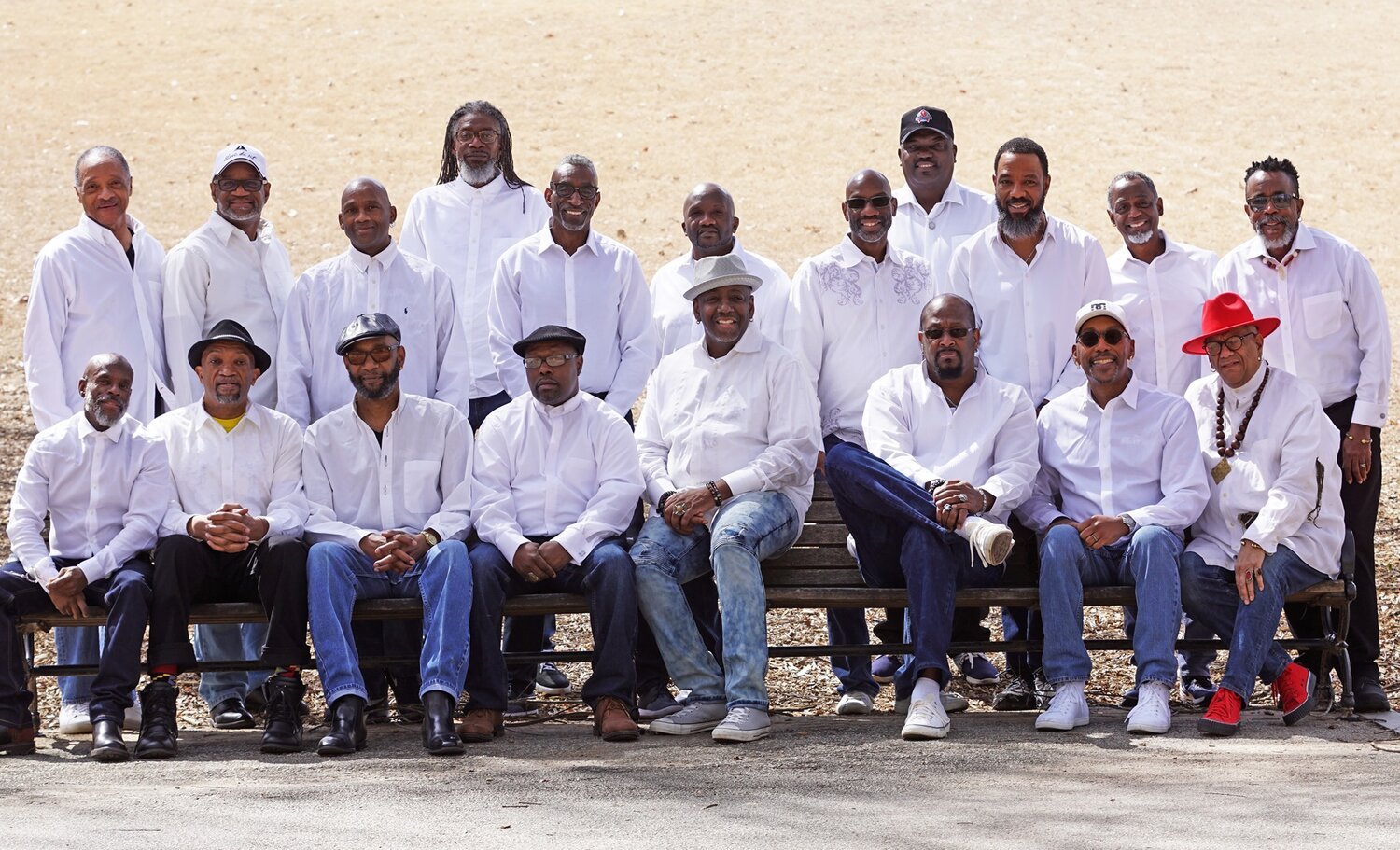
CNP RECOGNIZES WORLD AIDS DAY 2021
In observance of WORLD AIDS DAY, CNP joins in the global recognition of the lives lost to HIV/AIDS, the breakthrough scientific advancements, and the millions of people around the world who are living and thriving with HIV. At CNP, we believe great storytelling can change hearts and minds, which is why we incorporate HIV narratives into our work throughout the year. Today, we invite you to revisit these deeply personal stories of individuals and organizations working to end the HIV epidemic in America and beyond.

‘Before It Hits Home:’ When HIV Was A Whisper, Cheryl L. West’s Play Was Considered Taboo. She Sounded The Alarm Anyway.
“That woman left her son.” I was haunted, and pleasantly surprised by those words from my mother. I’d emerged from a week of work doing technical production on a virtual presentation of the play “Before It Hits Home". CNP partnered with Kenny Leon’s True Colors Theater and Georgia Equality to produce this virtual screening in honor of National Black HIV/AIDS Awareness Day 2021. I seemed to be working non-stop in my home office, and decided that, on show day, I’d load the broadcast downstairs for my mother to watch. Unsure if she would, I gave her the offer, and to my surprise she did watch.
More than that though, I was struck by how this play resonated with her.

30 Years Later: Magic Johnson, HIV, And The Press Conference That Changed The World
It was 30 years ago, on November 7, that basketball legend Earvin “Magic” Johnson Jr. announced he’d acquired HIV. No other HIV disclosure has had such a reverberating impact before or since. From the Great Western Forum in Los Angeles, where he achieved era-defining success with the LA Lakers, the cherub-faced icon held a press conference where he revealed he was living with HIV and would immediately retire from basketball. The magnitude of this event was due not only to his popularity as a sports hero; he was a 32-year-old heterosexual Black man who appeared to be perfectly healthy and still in his athletic prime.
Unlike other celebrities with HIV whose disclosure and/or death made mainstream (Rock Hudson, Liberace) and LGBTQ (Sylvester) headlines, Magic was not gay, nor did he use intravenous drugs. He was heterosexual, which meant he was "just like anybody else" and not like those dispensable others. Those others made up a besieged minority who did not need to be convinced that AIDS was real. Among them were Black gay men.

Turning The Tide Against HIV: 2022 NAESM Leadership Conference To Unite Black, Gay And Bisexual Men To Address Epidemic
NAESM exists to serve Black, gay and bisexual men. Full stop. This tenet has been central to the organization’s mission in the fight to reduce new HIV infections and to provide care for those living with HIV, including Atlantans who do not exist within the targeted group for over 30 years. It’’s with the same laser focus on Black, gay and bisexual men, one of the most heavily impacted groups by HIV, that NAESM’s African American MSM Leadership Conference on Health Disparities and Social Justice, the nation’s largest annual convening dedicated to exploring HIV prevention, care, treatment, policy, and research, will escape the cold of the Southeast in January for the warmth of sunny Los Angeles.
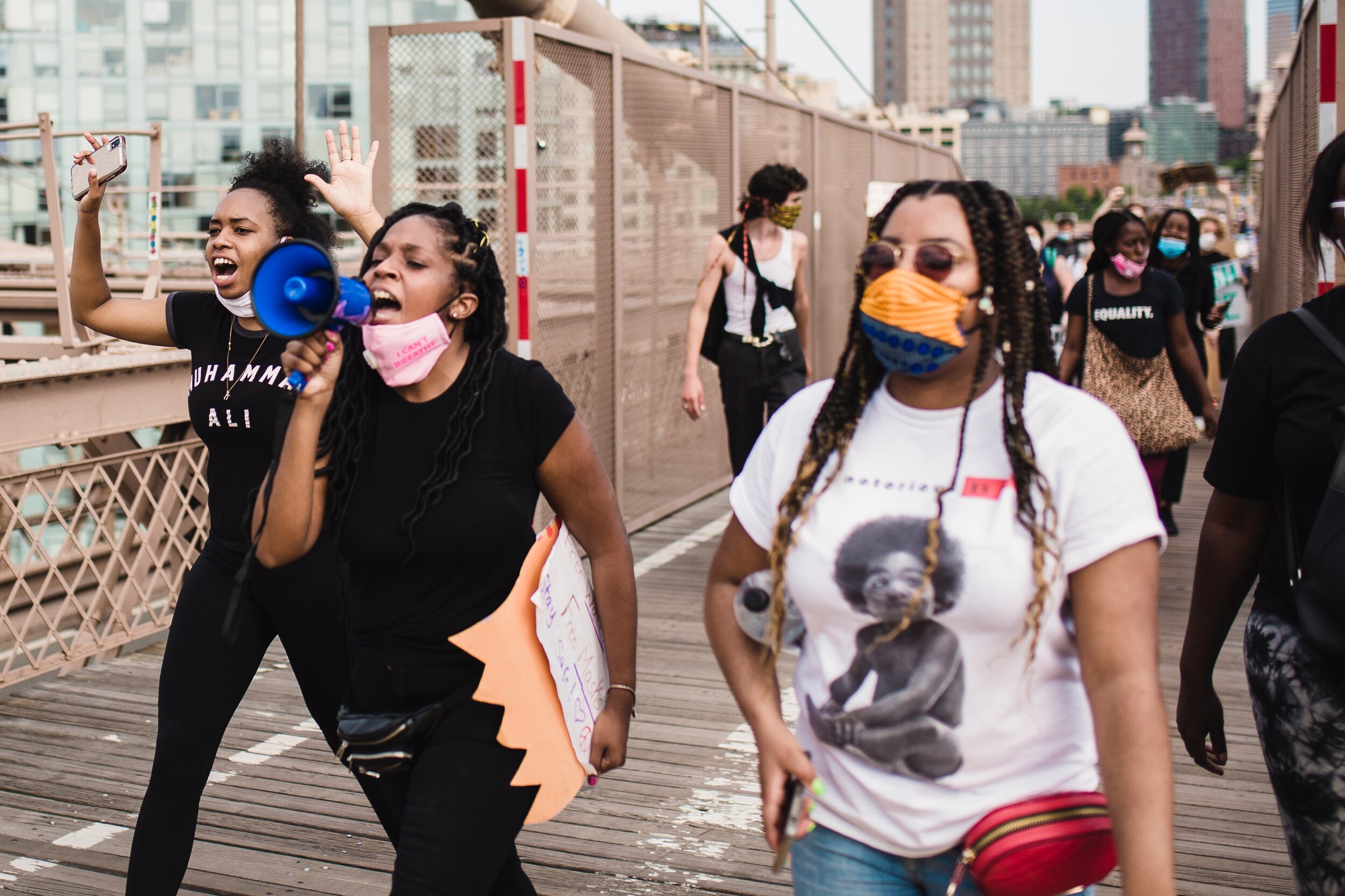
Lifting The Burden: Georgia HIV Justice Coalition Is Committed to Criminalization Law Reform
Since 2013, the Georgia HIV Justice Coalition, a conglomerate of up to 10 active social justice and HIV-centered organizations, has been at the forefront of reforming Georgia’s draconian HIV criminalization laws. Eric Paulk and Malcolm Reid, newly elected co-chairs of the Georgia HIV Justice Coalition, and proponents of HIV criminalization law reform, say they would like to see the law updated to reflect scientific advancements such as “U=U,” undetectable equals untransmittable, which has not only extended the lifespan of people living with HIV but has reduced the risk of transmission to zero for those individuals on antiretroviral therapy.

Not to Pile On, But DaBaby’s Recent Comments About HIV Were Not Just Anti-Black, They Were Anti Hip-Hop
If you were unfamiliar with DaBaby (born Jonathan Kirk) before July 25, 2021, you’re likely all caught up on who the rapper is by now. Born in 1991 in Cleveland, OH, and hailing from Charlotte, NC, DaBaby rose to fame in 2018 and has since been a mainstay on mainstream urban radio.

Report: Increase of HIV-Related Incarcerations in Georgia Comes With a $9 Million Price Tag
New data from the Georgia Department of Corrections has found that more people between 1999-2020 have been impacted by Georgia’s HIV crime laws than previously reported, with the average cost to Georgia of incarceration alone adding up to over $9 million in the last two decades.
The new analysis appears in an updated report from The Williams Institute UCLA School of Law that finds between 122 and 133 people have been incarcerated for an HIV crime in Georgia since 1988. This is a 61% to 76% increase in the previously reported number of 74 convictions. Much of the difference (26 cases) is the result of new data from 2017 to the present.

Weaponizing My Sex: How A Consensual Encounter Flirted With A Felony
We met at a friend's Super Bowl party over 10 years ago. I’m no real fan of the sport although I will check out the phyne players on either team. When it comes to the Super Bowl, I am only really down for a fabulous halftime show. In 2007, Prince did the honors and his royal badness did not let us down. I noticed this brother a few minutes before my friend introduced us. Within minutes, we found ourselves a little corner off the kitchen where we could focus without interruption. He was playful and blunt about his desires, and that turned me on. “I don’t like no bread,” he told me. “Just give me the meat.”

A House On Fire: Unpacking The Trauma Of A Plague On The 40th Anniversary of HIV
1981 was a magical year for me. Alexander Godunov and Judith Jamison performed “Spell” as guest performers at Alvin Ailey American Dance Theater’s opening night gala, Dream Girls was on Broadway, Diana Ross had a hit called I’m Coming Out, and Tom Browne had an R&B hit called “Thigh High” (Grip Your Hips and Move). I cheered as a University of Oklahoma Cheerleader in the Sun Bowl as Oklahoma beat the University of Houston 40–14. Life was good. I still believed in a world with endless possibilities. However, by the summer of 1981, I’d heard about an illness that was primarily affecting white and Black gay men in L.A., New York City, and San Francisco. The sickness, then called GRID (Gay-Related Immunity Deficiency Syndrome) was infecting and killing gay people. Many Black gay friends believed we had no worries if we did not sleep with white men. They were wrong.

HIV Criminalization Laws and Race Combine To Make The Perfect Storm in Georgia
Imagine having to process the life-altering news that you’ve acquired HIV. Now imagine that your new health status can be weaponized against you, setting the stage for a felony conviction with a penalty of up to ten years in prison. The premise may sound like the story arc of a screenplay, but for Georgians living with HIV, the possibility of entering the criminal justice system because of HIV-related offenses is real, even more so if you’re Black, a sex worker, or identify as LGBTQ.
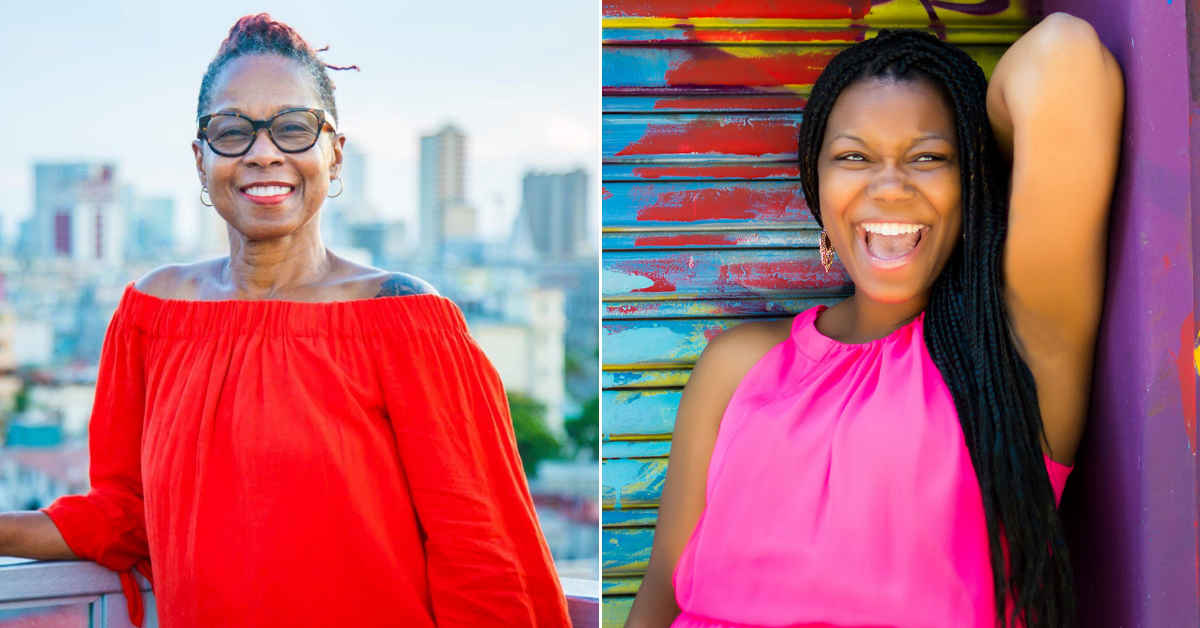
Black women living with HIV deserve to thrive. Meet two women who are leading the way.
When Magic Johnson announced during a press conference in 1991 that he’d acquired HIV, Masonia Traylor, 34, was only four-years-old. And in 1995, when the first HIV “cocktail,” a combination of antiretroviral drugs used to suppress the replication of HIV in the body, became widely available for use, Traylor was eight. The gravity of Johnson’s diagnosis and the impact it would have around the globe at the height of the epidemic couldn’t have been further off eight-year-old Traylor’s radar. HIV wasn’t a part of her world as a child growing up in Atlanta, and this would remain unchanged well into her early 20s until it did.
On a lunch break from work, Traylor recalls seeing a woman wearing a t-shirt that read on the front, “I Have HIV.” Traylor says she was shocked and figured if the “woman was bold enough to wear that I could ask her if she had HIV.”
Traylor says the woman chuckled and said, “Girl, no. Read the back.” The woman turned around to reveal the text written on the back of her t-shirt: “If only it was that easy to tell. Get tested.”

Invisible No More: Black Gay Men Over 50 Are Finding The Silver Lining
In 1989, Malcolm Reid, 63, had gone to so many funerals that he lost count. He remembers being so emotionally exhausted from burying friends he decided during those early days to stop attending funerals altogether. The clock was ticking towards his demise, or so he thought.
“Well, I'm next,” Reid recalls thinking. “And when the next person died, I was like, I'm next. And that never happened. And I remember asking myself, why did they die and I'm still here?”
It would be another eight years, in 1997, before Reid would learn that he acquired HIV. But his story would not mirror those of his friends whom he laid to rest, instead, it would become the impetus he needed to co-create The Silver Lining Project, a group that would impact his life and the lives of Black gay men living with HIV, particularly those over 50 who are often rendered invisible in the broader Black gay community.

AID Atlanta Executive Director Nicole Roebuck On Her 20-Year Career in HIV, Allyship To Black Gay Men
Nicole Roebuck says she has always felt chosen throughout her 20-year career with AID Atlanta, the city’s leading HIV service organization, founded in 1982 in response to the national HIV epidemic. Roebuck, who has served as Executive Director of AID Atlanta since 2015, became only the second Black woman in the agency’s history to ascend to the top leadership position, a role that she says she actually never applied for, continuing a non-traditional but rewarding trajectory from the beginning of her tenure at the agency.

World AIDS Day: Michael Ward On Being Vulnerable, Saying The Words He Never Thought He Would
Today, December 1, 2020, is World AIDS Day. And as we reflect on the lives lost to the ongoing HIV/AIDS epidemic, we also celebrate the resiliency of those living and thriving with HIV. Michael Ward, 34, is one of those individuals. In a year rife with devastating loss, global financial instability, food insecurity, mental health challenges, and a lack of national leadership in response to the coronavirus pandemic, many Americans were forced to navigate life in unfamiliar ways and with varying degrees of success. Ward, whose public profile increased in 2020 is no exception. As the host of CNPs “Revolutionary Health,” a weekly Facebook Live series focused on the health of Black queer men, and as co-creator of “Black, Gay, stuck at home,” a virtual film series centering Black LGBTQ stories and filmmakers, not only is Ward’s visibility increasing, but his vulnerability and willingness to speak about his experience of being a Black gay man living with HIV is as well.
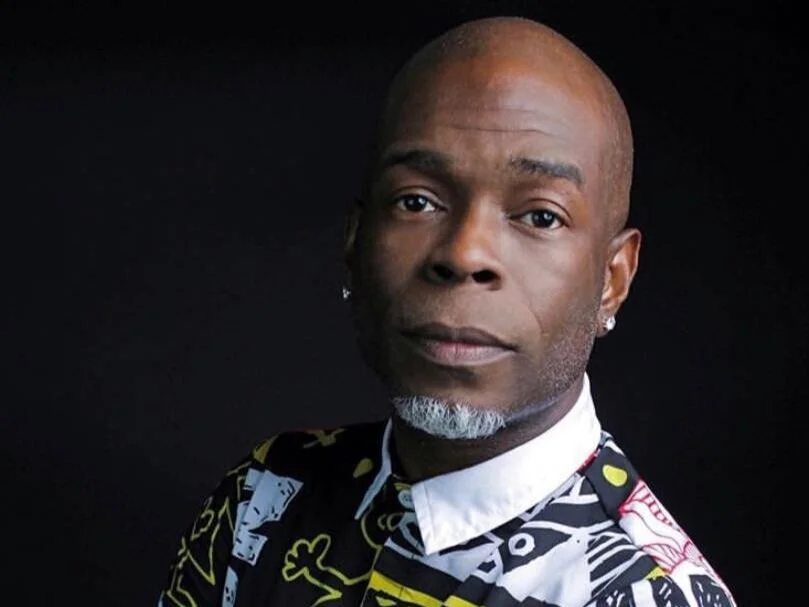
Morris Singletary: How An SGL Church Boy Turned Pain Into Purpose While Receiving Applause From Beyoncé
Picture it. Atlanta. June 23, 2006. A Black church boy sits in a room awaiting the results of a rapid HIV test. The seconds feel like hours and the hours feel like days. The clock strikes 3 p.m., he is now fifteen minutes away from embodying the stereotype of Black gay men living with HIV as an inevitability. His greatest fear is confirmed. He is HIV-positive. He is also given 90 days to live. But for Morris Singletary, 43, Founder and CEO of Pozitive2Positive, there are no tears, only the beginning of an awakening that would lead him to fight for his life and the lives of other Black same gender loving church boys living with HIV.