
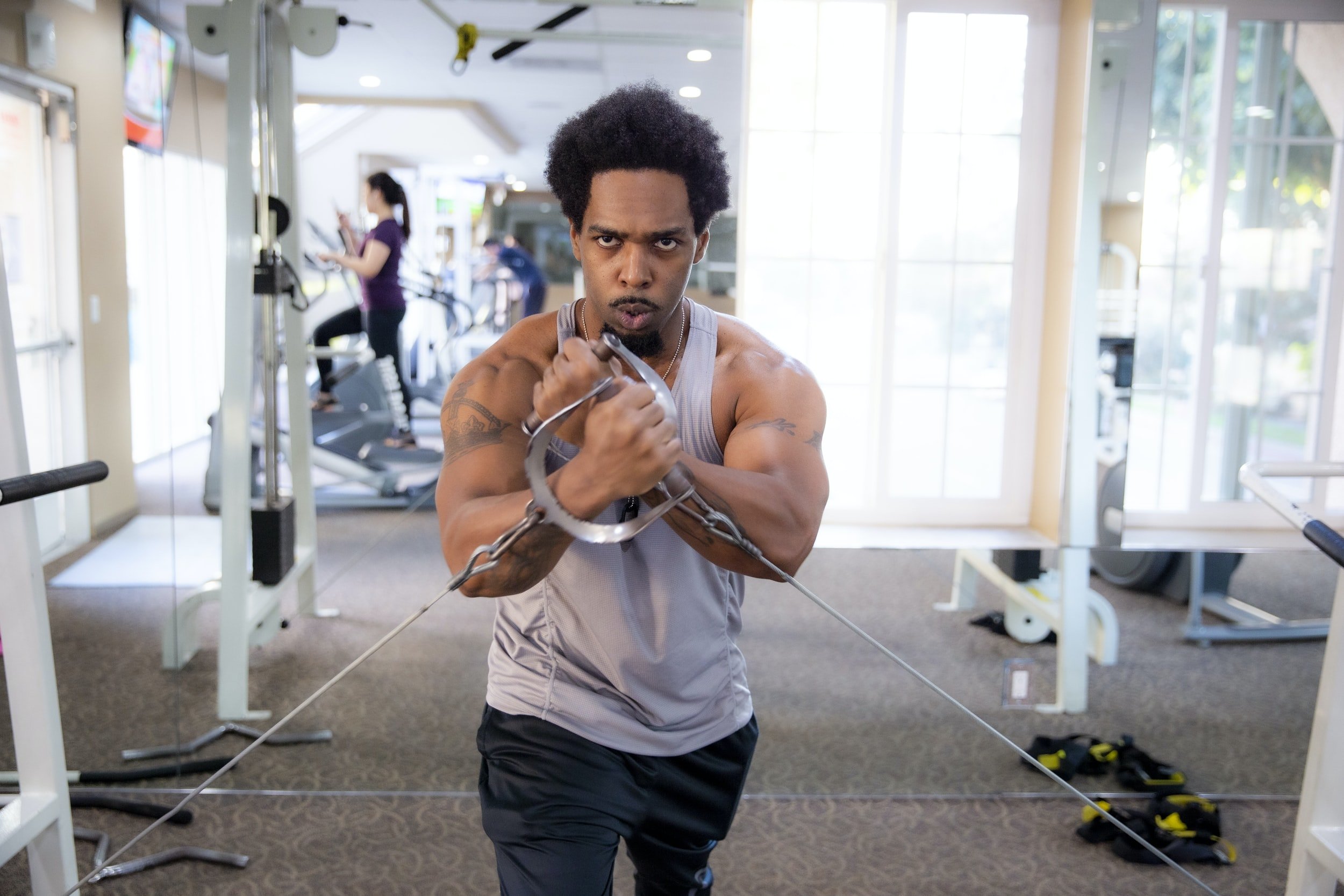
Gains & Pains: Black Gay Bodybuilders & the Complex Dynamic Between Muscles & Queer Desire
Despite an active childhood that included playing football and running track since fifth grade, Gerald Thomas was a bit spooked when he read his class schedule at the start of his freshman year at Elbert County Comprehensive High School in northeast Georgia.
“When I saw it said ‘weightlifting’ I went to my school counselor and asked her to change it because for some reason I was intimidated,” Thomas recalls. “She told me that for all athletes, weightlifting was our P.E.”
Thomas’s aversion to bench presses and squats soon dissipated as he became a stronger defensive end, a faster 400-meter runner, and experienced other benefits of regularly being in the gym.
“It helped me improve my performance, and it also made me look better,” says Thomas, who more than 30 years later remains an avid weightlifter, and whose 50-year-old physique resembles that of a college athlete. He briefly stopped working out after ending his collegiate track career, but within a month, Thomas noticed the activity he once dreaded had become an essential part of his being.

30 Years Later: Magic Johnson, HIV, And The Press Conference That Changed The World
It was 30 years ago, on November 7, that basketball legend Earvin “Magic” Johnson Jr. announced he’d acquired HIV. No other HIV disclosure has had such a reverberating impact before or since. From the Great Western Forum in Los Angeles, where he achieved era-defining success with the LA Lakers, the cherub-faced icon held a press conference where he revealed he was living with HIV and would immediately retire from basketball. The magnitude of this event was due not only to his popularity as a sports hero; he was a 32-year-old heterosexual Black man who appeared to be perfectly healthy and still in his athletic prime.
Unlike other celebrities with HIV whose disclosure and/or death made mainstream (Rock Hudson, Liberace) and LGBTQ (Sylvester) headlines, Magic was not gay, nor did he use intravenous drugs. He was heterosexual, which meant he was "just like anybody else" and not like those dispensable others. Those others made up a besieged minority who did not need to be convinced that AIDS was real. Among them were Black gay men.

Black Gay Athletes Find Fellowship, Compete Against Stereotypes in Atlanta’s Fitness Boom
One of the goals in softball is to return to the same home plate you started from, but Jeremy Nobles’s journey through the sport led him to a new world.
“Growing up, being around the same people, doing the same thing every day and every weekend,” Nobles says, describing his life as a 20-year-old in Moundville, Ala., population less than 2,500. “And just knowing in the back of my head that I like guys and there’s no way the people I hang around with would acknowledge or understand that. It’s hard living with that kind of secret with nobody to talk to, and trying to find myself—I just didn’t know what to do.”

Liberation Music: CNP Honors Gay Disco Anthem ‘I Was Born This Way'
According to the New York Times, I Was Born This Way, released in 1975, is “the first record to feature lyrics about being an out-and-proud gay man.” At face value that statement is significant, but when you look further, it has a much deeper meaning. Here’s the truth: Charles Valentino (then known by the mononym “Valentino”), a Black gay man, sang the first record to feature lyrics about being out and proud. The lyrics were written by Bunny Jones in 1971, a Black woman. CNP plans to honor the legacy of this groundbreaking song in LIBERATION: Remembering I Was Born This Way—a two-part event kicking off in July.

After Winning The Pulitzer Prize, Jericho Brown Is In Demand And Prioritizing Laughter
These days, Jericho Brown is planning his laughter. Despite living through a pandemic, the last five months in the life of this Louisiana-bred, Atlanta-based poet certainly isn’t lacking for reasons to evoke joy, after all, he is the author of “The Tradition,” which earned him the 2020 Pulitizer Prize for Poetry—a historic moment in which Brown became one of two openly queer Black men to be awarded the prestigious honor in the same year. Much like his poetry, Brown’s laughter is infectious and unrestrained, soothing and measured, jarring and familiar; delivered with the intonation and cadence of a Kat Williams stand-up routine that leaves you bellowing over in laughter only to realize that he’s delivered a gut-punch that is simultaneously reflective and unrelenting. Jericho Brown is poetry in motion. He’s also in demand. One glimpse at the 326 text messages on his phone, many of which are congratulatory messages sent after his win, speaks to his impact on the world and the literary community. But despite the Pulitzer Prize elevating his career to unimaginable heights, Brown is embracing the journey and prioritizing laughter.

Survivor's Remorse
It was New Year’s Eve, 1995. Essex Hemphill, Easy-E, and Glenn Burke had all died of complications from AIDS in the past few months. A shadow of death was all around the Bay Area. Still, life went on, at least for some of us in San Francisco. A few friends had gathered in an apartment to wrest whatever happiness we could from an end of the year celebration.
We later discovered that 1995 was the peak for AIDS-related deaths in the U.S. It claimed over 41,000 Americans that year.
The Curious Case of Tevin Campbell
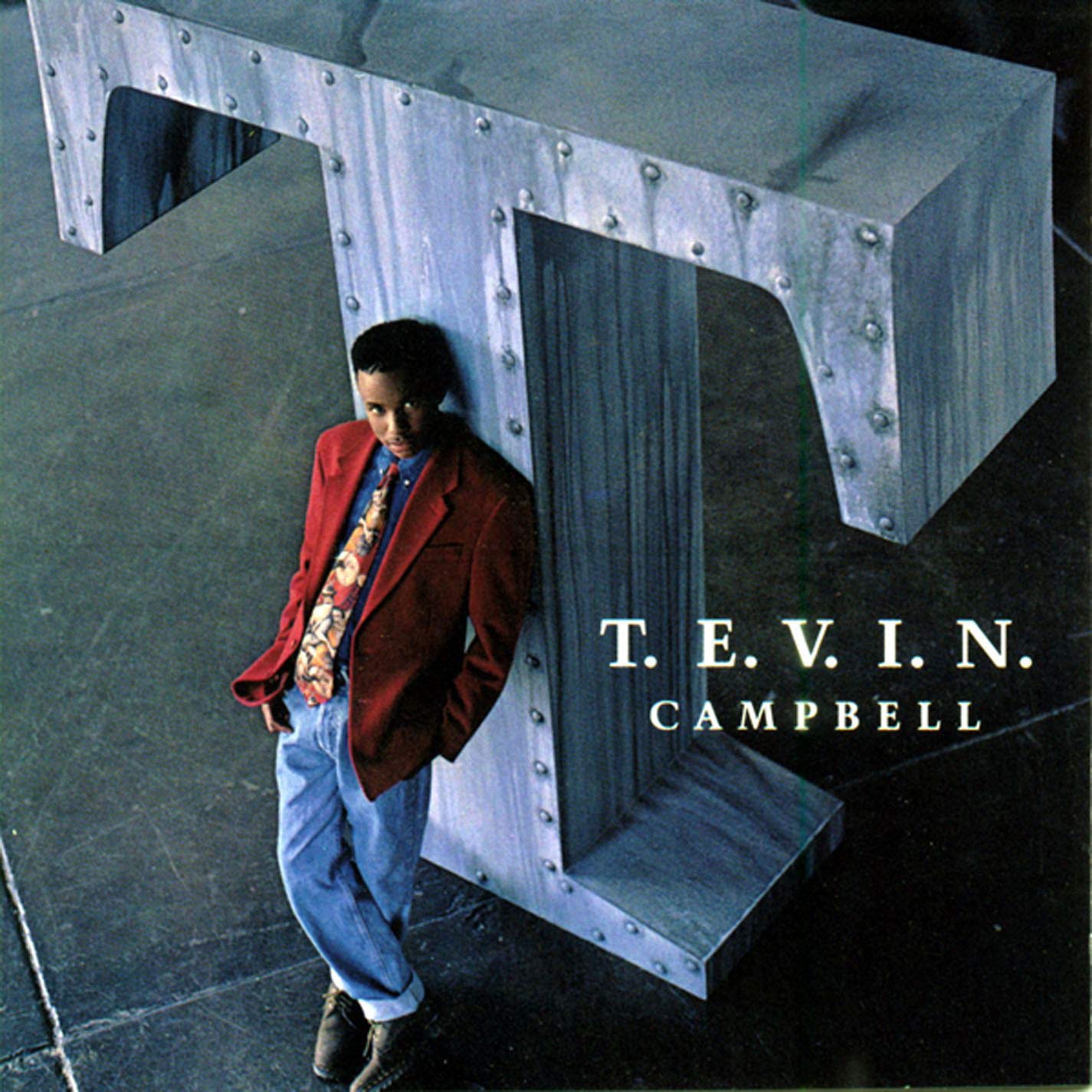
Tevin Campbell has been in the news again, this time for all the right reasons.

Lori Lightfoot: Meditations on a Hometown “Win” from a Hometown Boy
She’s black. She’s a woman. She’s a lesbian. She has a wife and family. She has the conservative butch natural cut sported by Aunties of a certain age since at least ’72. “But, what does it all mean?

Beyoncé and Jay-Z Acknowledge Their Black Gay Family & Their Respective Struggles
Black LGBTQIA+ relations to their heterosexual counterparts is seldom part of the public narrative about Black LGBTQIA+ life, though their presence and relationship as bell hooks tells us in 1992’s Black Looks: Race and Representation has always been a seamless part of our collective community.
The Magic of Basements and Living Rooms
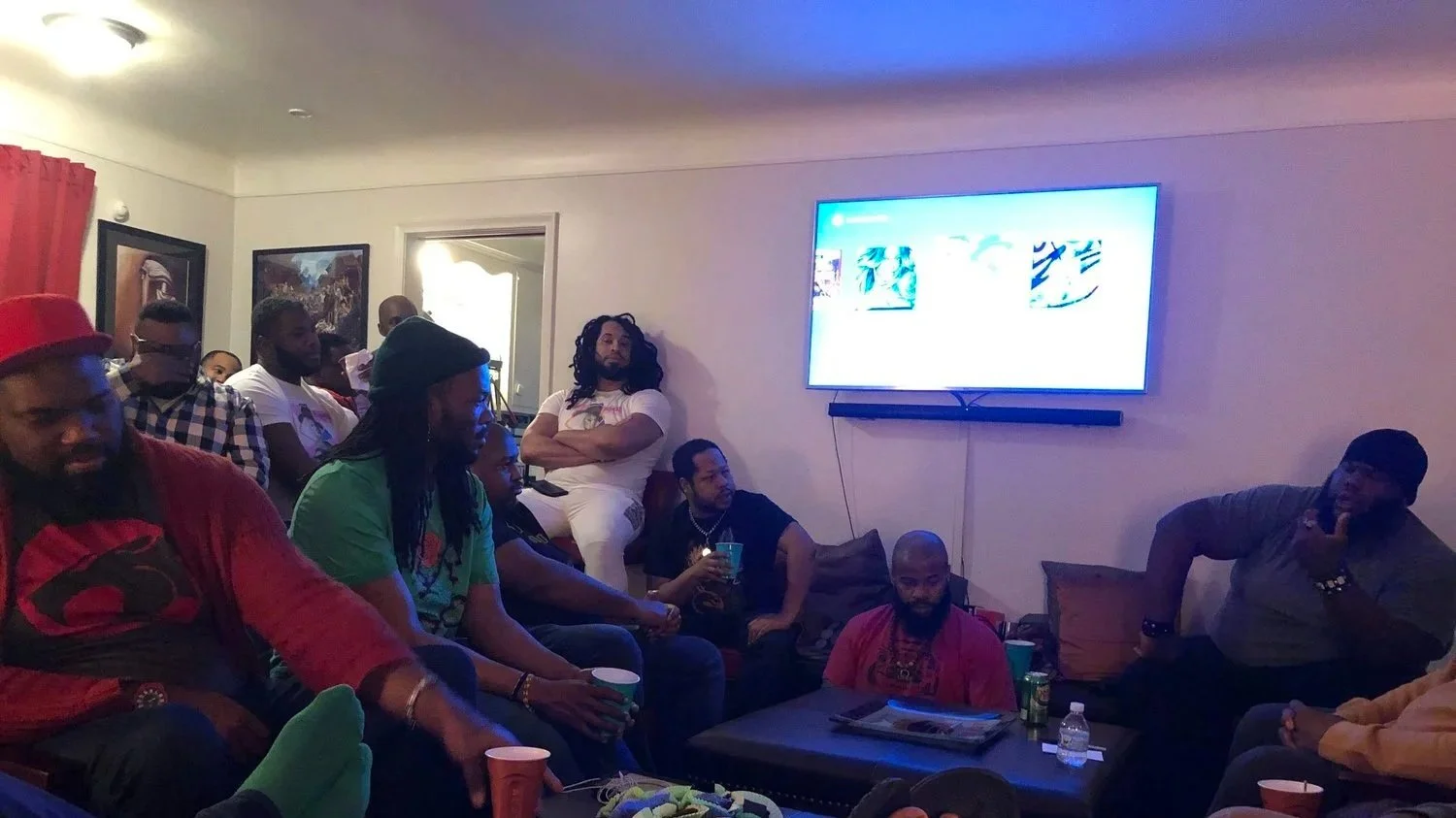
Overlooking a sparkling spring view of the Atlantic Ocean from a Fort Lauderdale hotel conference room, I sat among a group of activists and community service workers talking about art as activism and what makes that igniting mix possible when it strikes.
Another Soldier Gone
I am not a soldier in war. I do not belong to a gang in the middle of a turf battle. I am not confined to a poorly operated prison (though Trump’s America can feel like that sometimes). I’m not in the midst of a sudden global contagion. Yet, I know 20 Black men across the U.S. who died within 365 days and only a handful were reported to have died of AIDS-related complications.

To Black Fathers, Sons and Kevin Hart
December 11, 2018 – Atlanta, GA – On December 4, 2018, 39-year-old comedian Kevin Hart was announced as the host for the 91st Annual Academy Awards. Over a 48-hour period, America watched as a series of homophobic jokes and comments from 2009 to 2015 resurfaced for a public divide of condemnation and defense, often with Hart’s young son as the subject, and usually at the expense of Black gay men.
Reflections of a Body Outsider (Part 2)
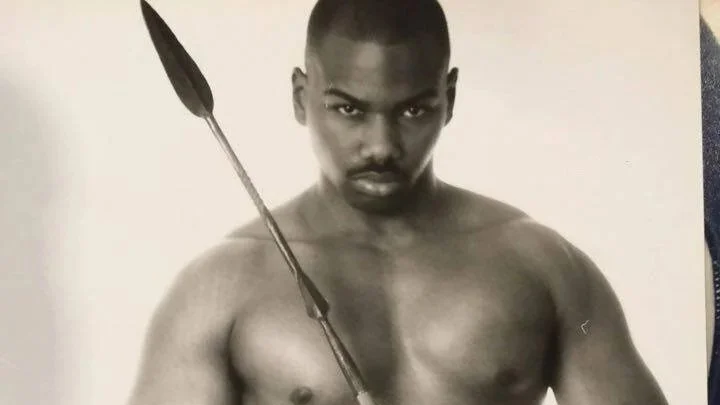
Just as it took a process of time, reading, living, and loving to come to a state of radically loving my Blackness and my gay identity, so is it to accept this body and all that comes with it. It has been a process assisted by the words of folks like Gay and Renee, Black feminists who know something about what it means for the world to tell you that you’re undesirable. I desperately needed their help, having not always been a size 46 in the waist. It has taken more than a decade to relax into this identity of “bear” and have it become a comfy fit (and, yes, I’ve heard the concerned Black gay nationalist arguments of adopting yet more white gay cultural language by using terms like “bear,” but I can’t really embrace the term “boy” at a smooth and grown 43-years-old in any context, even one intended to be culturally affirming).
Reflections of a Body Outsider (Part 1)
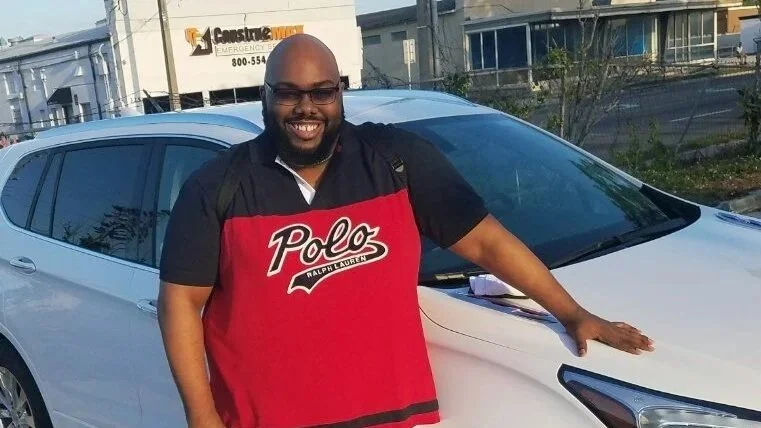
I lacked the bravery and carefreeness displayed by hundreds of cubs, bears, chubs, superchubs, otters, and chaser brethren who confidently splashed, played, and luxuriated in the Orlando heat over the four official days of the Eighth Annual Big Boy Pride at the Parliament House pool. The privilege of standing bare-chested in the sun, in the sparkling chlorine water, or just outside in a public space before the caressing or judging eyes of others is something Black men of size seldom can take for granted, particularly not gay men of size, trained to be particularly attuned to the harsh judgement of the male gaze.
“One Situation Involved a Young Man”: How Lauryn Hill’s Classic Album Told This Black Gay Man’s Stories, Too
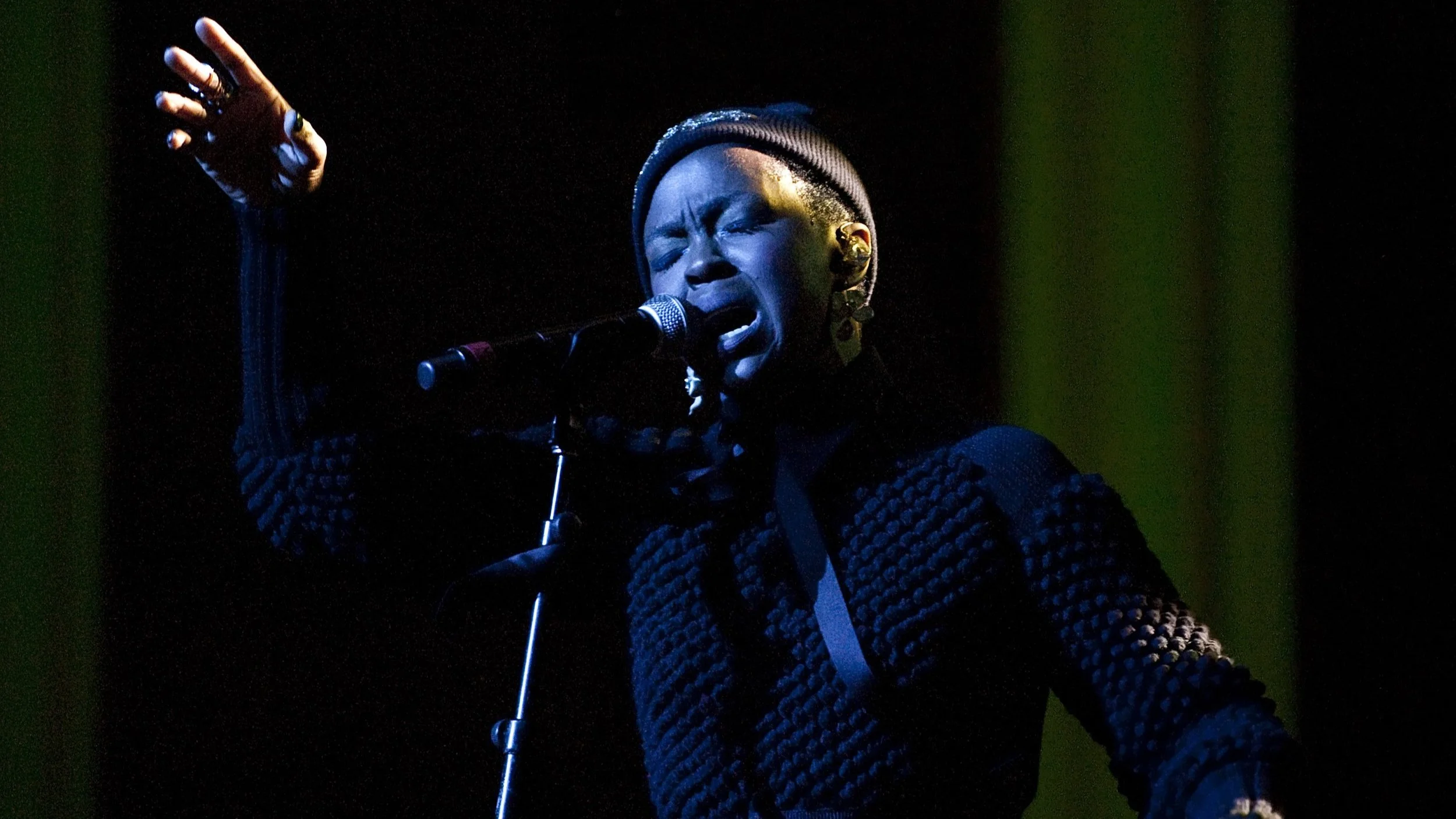
The first time Lauryn canceled on me, she had a legitimate excuse. I was in the middle of my junior year of Montclair High. The African American Awareness Club’s faculty advisor had a connection to Lauryn’s family, and had arranged for her to attend a meeting one afternoon.

The Death of Devon Wade, Mario Williams and Black Gay Intimate Partner Violence
There was a murder in Atascocita, Texas on Sunday night. Devon Wade was killed by his partner Mario Williams. The police reports say there were two arguments. One resulted in Williams asking Wade to leave. Williams obliged. The second, and final argument, also concluded with Wade asking Williams to leave. He did leave through the back door, but not before delivering two bullets to his romantic partner’s head. Wade’s twin brother was found holding him, begging someone to call for help. It was, unfortunately, too late. Devon Wade had died. And in a way, I’m sure Mario Williams is now dead too.
Meeting James Baldwin
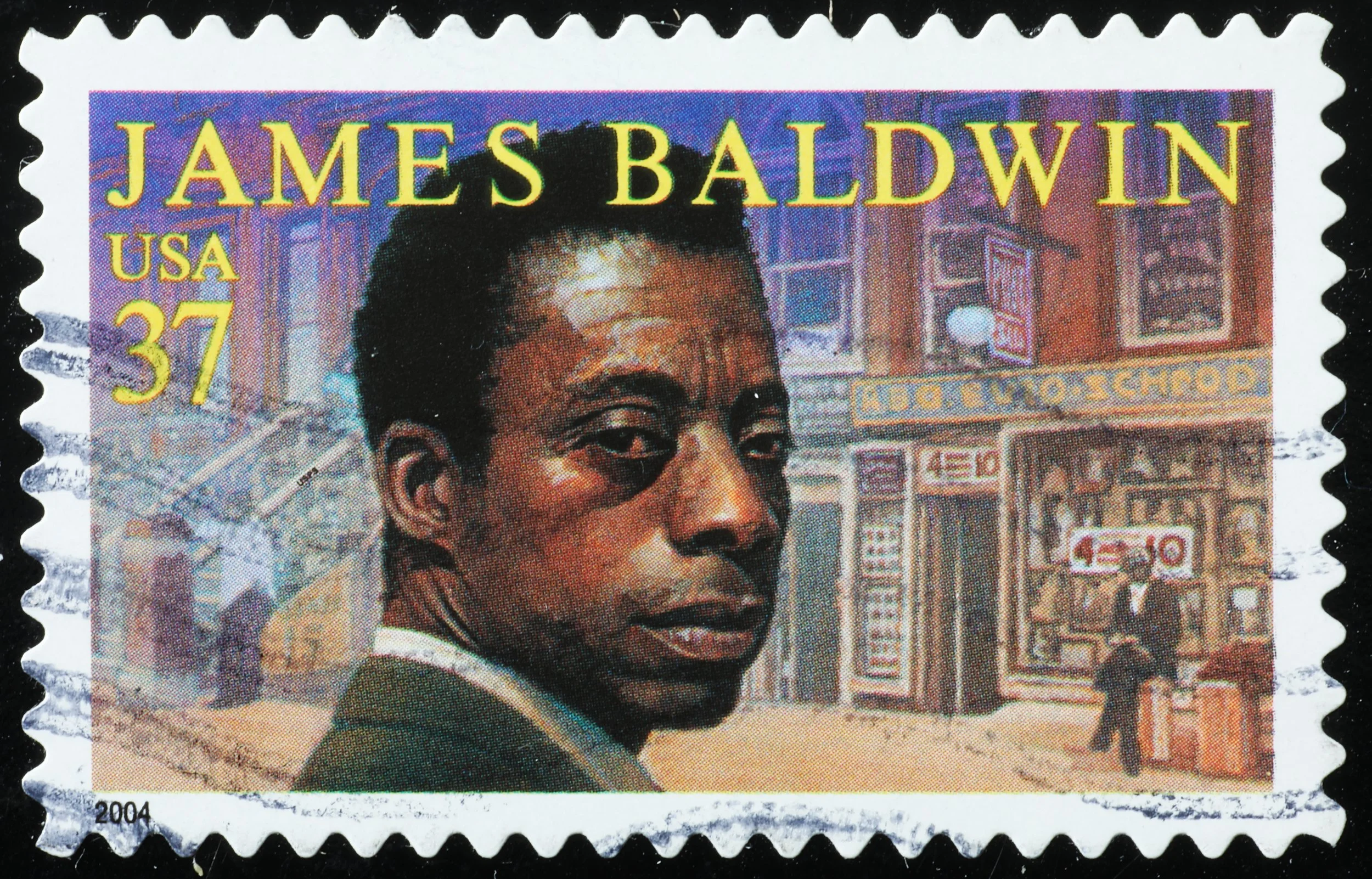
At the time of writing this, it has been 7 days since I met author and activist James Baldwin, albeit posthumously via a screening of the Raoul Peck-directed documentary I Am Not Your Negro.

Black Gay Men Of The AIDS Generation Invented Your Party
For the men that were there, any mention of the space immediately takes them to a time and place where the dance floor provided refuge from the grim realities outside its walls. In its early incarnation, The Warehouse catered to a membership-only clientele made up primarily of Black gay men. The man who people came to see, DJ Frankie Knuckles, was the master conductor of many a legendary night. Knuckles once described the Warehouse as “a church for people who have fallen from grace.” Knuckles, a Black, gay native New Yorker, established himself as a tastemaker in Chicago. A pioneer who manually created extensions of rare groove records with a blade, he laid the foundation for an entirely new genre of music: House.

Loving My Dad, Today
In 1997 I began the very personal journey of fully accepting my sexuality. In my case, at that time, bisexuality was transitional. I knew it, but I couldn't say "gay" yet to anyone. We were in the car. I had finally gotten up the nerve to tell him. Holding a big revelation like that in was beginning to take a mental toll on me. I'm strong, but something had to give, and soon. In that car, at that moment I said it - "Dad, I'm bisexual." That was a lie.