Trailblazers: Joe Beam, Dorothy Beam, and the Dawn of Black Queer Publications
From the AWP 2026 Session “Forty Years of Joseph Beam’s In the Life”
When writer Joseph Beam published In the Life: A Black Gay Anthology with Alyson Publications in 1986, he helped usher in a new era of Black lesbian and gay publishing. (Footnote 1) This moment marked the rise of journals, magazines, newsletters, pamphlets, and zines created in the United States and the Caribbean. After Joe passed away just two years later, that work didn't slow down. In fact, it expanded. Throughout the 1990s, the number of publications grew significantly as Black gay and lesbian institutions, organizations, and presses emerged---documenting lives, dreams, and freedom-seeking futures.
Joe's life's work, and the impact it had after his death, shaped me deeply. First as a reader and a writer, and later as an archivist and publisher. He understood how vital it was to tell our own stories and to build community that could last. That understanding changed my life---and the lives of countless others.
Flyer for “Forty Years of Joseph Beam’s In the Life” Presented at AWP 2026
What Joe, and writers and publishers like him, taught us was simple and powerful: if you see a need, meet it. Don't wait, just do it. For those of us reading these publications, the message was clear. We were responsible for nurturing community, for connecting with others who shared our cultural and racial experiences, and for adding our voices to a growing chorus. A chorus that wasn't just asking to be seen but demanding to break the silence---to tell our stories. We were more than capable of producing the imagination, sweat and opportunity to create the change we wanted in this world.
The rise of Black gay and lesbian serials didn't begin or end with Joseph Beam. But in a remarkably short time, his work energized and inspired dozens of writers, activists, and filmmakers. People like me, who were hungry for reflection and clarity, found ourselves witnessing---and participating in---a culture and history unfolding right in front of us.
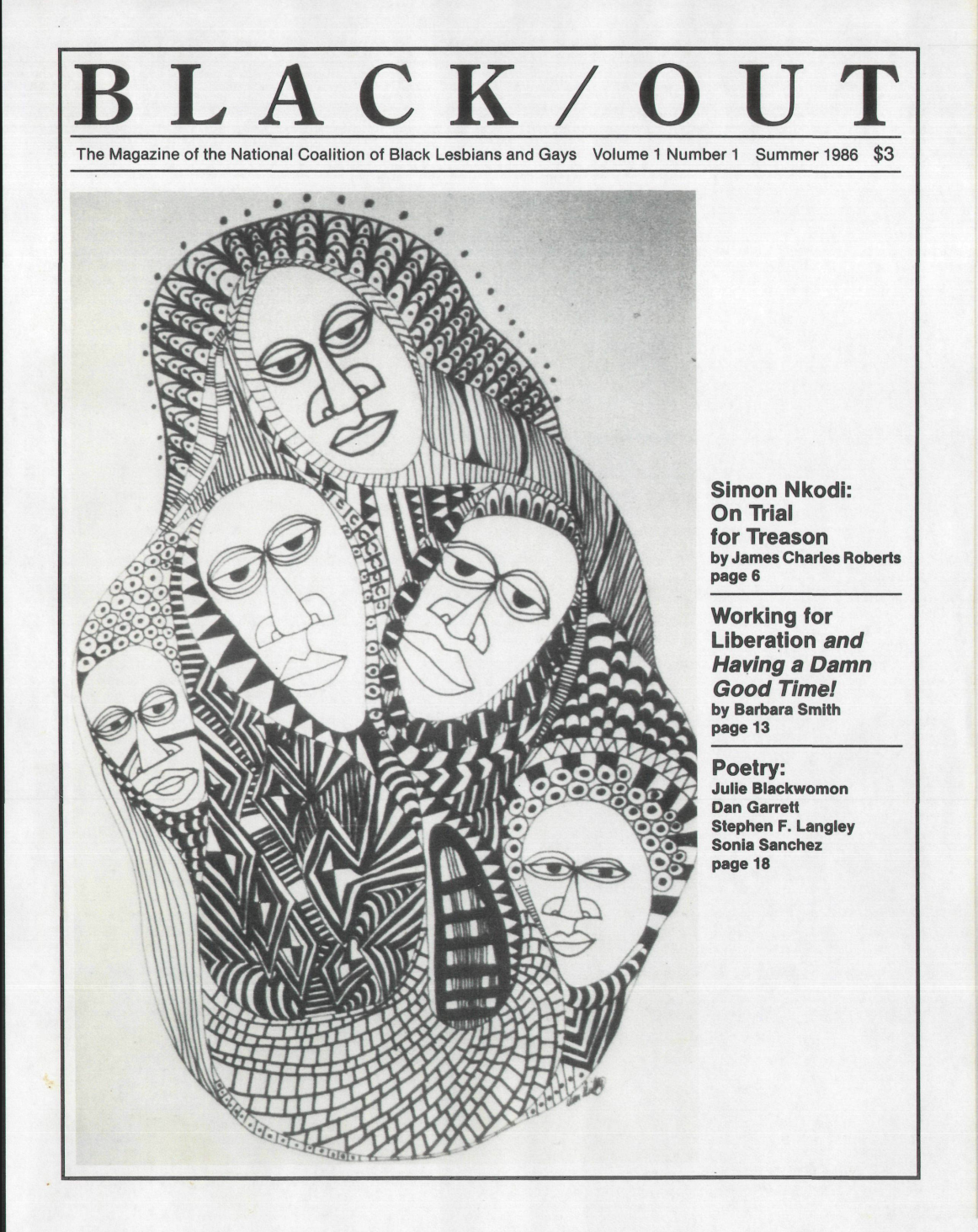
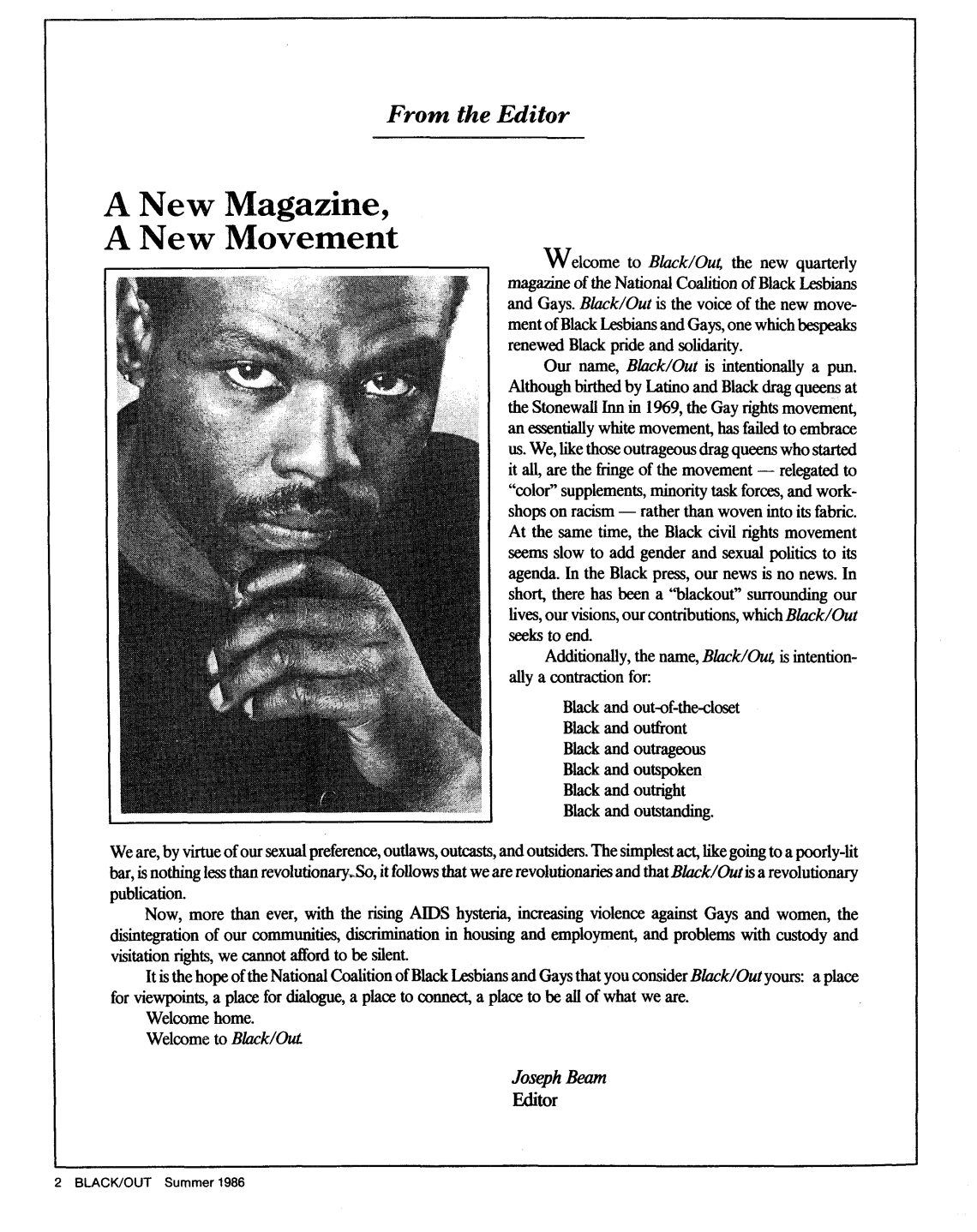
Joe first made his mark as a prolific journalist and cultural critic in Philadelphia. He was also the inaugural editor of Black/Out: The Magazine of the National Coalition of Black Lesbians and Gays (NCBLG), one of the earliest Black queer organizations in the country (Washington, D.C.) In the editor's note of the very first issue, Joe's words feel strikingly prophetic.
He wrote that Black/Out was the voice of a new movement of Black lesbians and gays---one grounded in renewed Black pride and solidarity. (Footnote 2) Even the name, Black/Out, was intentional. It was a pun. Joe pointed out that while the modern gay rights movement was sparked in 1969 by Black and Latino drag queens at the Stonewall Inn, it had grown into an essentially White movement that failed to fully include them. Like those drag queens who ignited the uprising, Black lesbians and gays remained on the margins---confined to "color" supplements, minority task forces, and workshops on racism, instead of being woven into the fabric of the movement itself.
Joe warned that with rising violence against trans people, gays, and women, with communities unraveling, discrimination in housing and employment, and ongoing battles over custody and visitation rights, silence was not an option. Now more than ever, he argued, speaking out was essential.
At the same time, Joe was advocating for Black gay and lesbian writers in practical ways. From 1982 to 1985, he worked at Giovanni's Room as a sales clerk and bookkeeper. While he was there, he made sure Black queer books and short-lived and hard-to-find publications were found, stocked, and visible on the shelves. He also made sure Giovanni's Room carried books by Black gay and queer authors, especially James Baldwin, whose novel inspired the store's name. On his résumé (Footnote 3), Joe later wrote that he left the store to "finish editing my book." By the end of 1986, he had done just that---publishing In the Life.
In a remarkably short time, Joe used his energy, talent, and vision to support what was becoming a Black queer cultural renaissance.
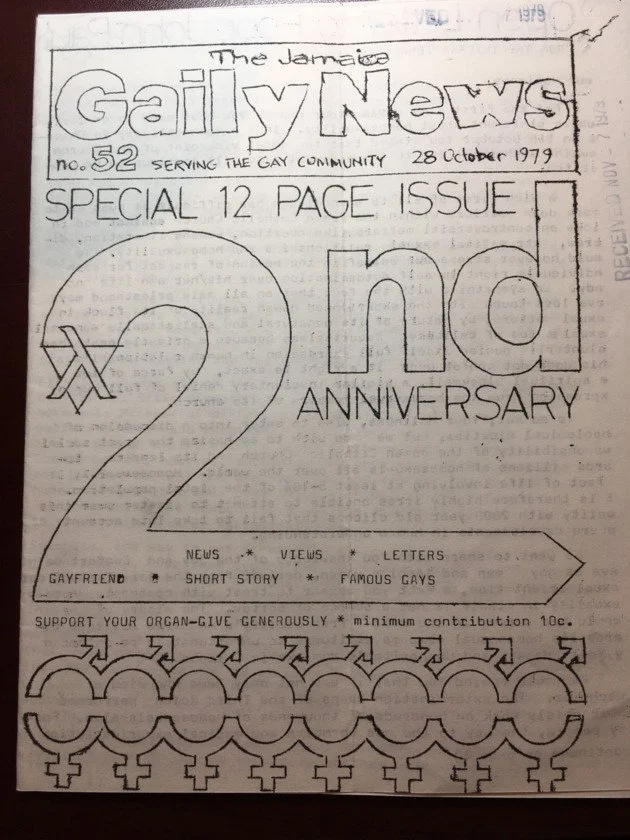
Between 1975 and 1988, more than a dozen serial publications created by and for gays and lesbians of African descent emerged across several U.S. cities and in Jamaica. These included organizational newsletters like Rafiki: The Journal of the Association of Black Gays (Footnote 4) (Los Angeles) and Black/Out. The NCBGL also published Habari-Habari, meaning "What's the news," and Habari-Daftari: The NCBG Newsmagazine. Others followed, including The Black Forum of the National Black Lesbian and Gay Forum (Washington, D.C.), and The Jamaica Gaily News, the publication of the anglophone Caribbean's first gay activist organization, the Jamaican Gay Freedom Movement (GFM) based in Kingston, Jamaica (Footnote 5), (1979-1984.)
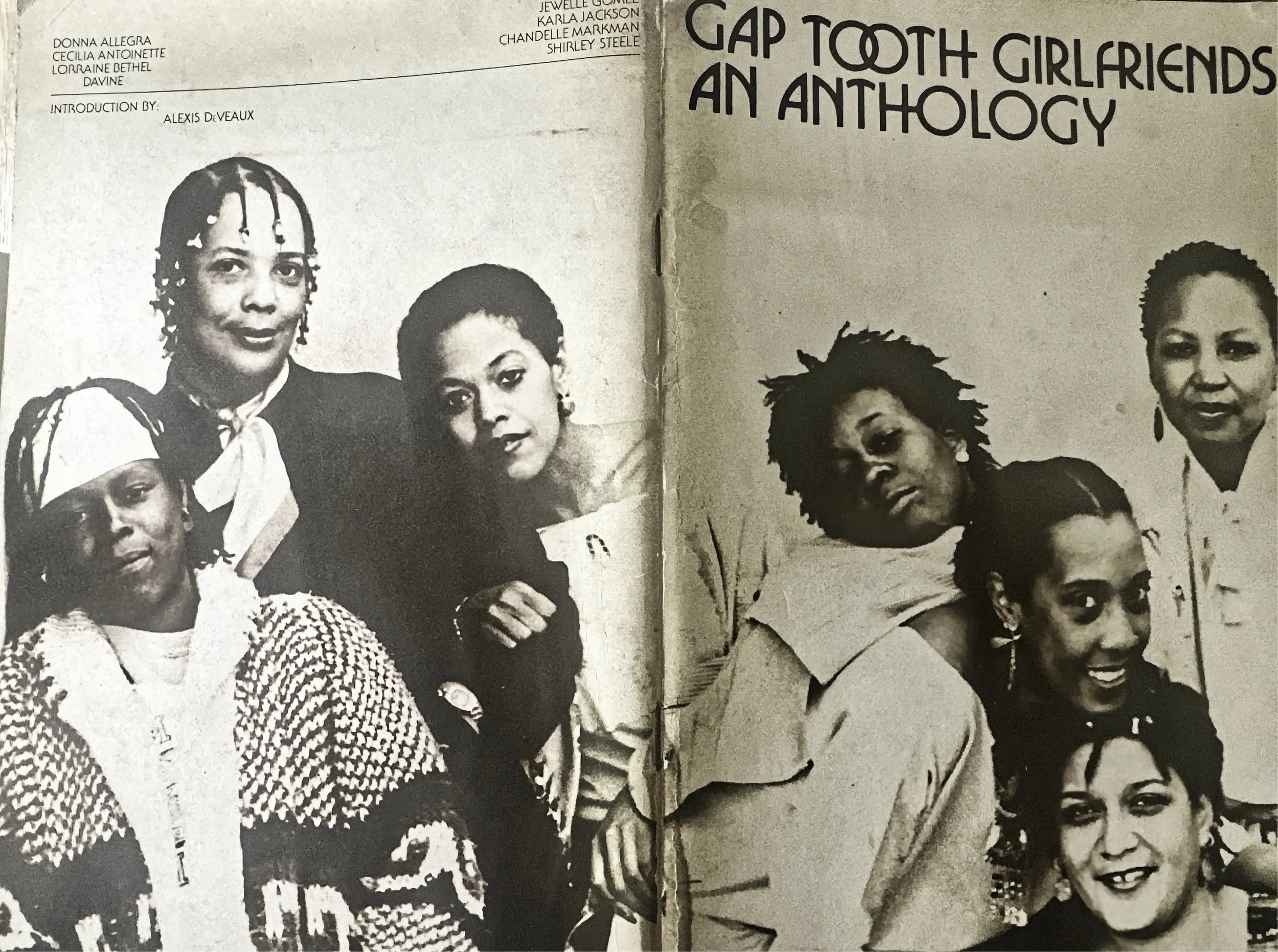
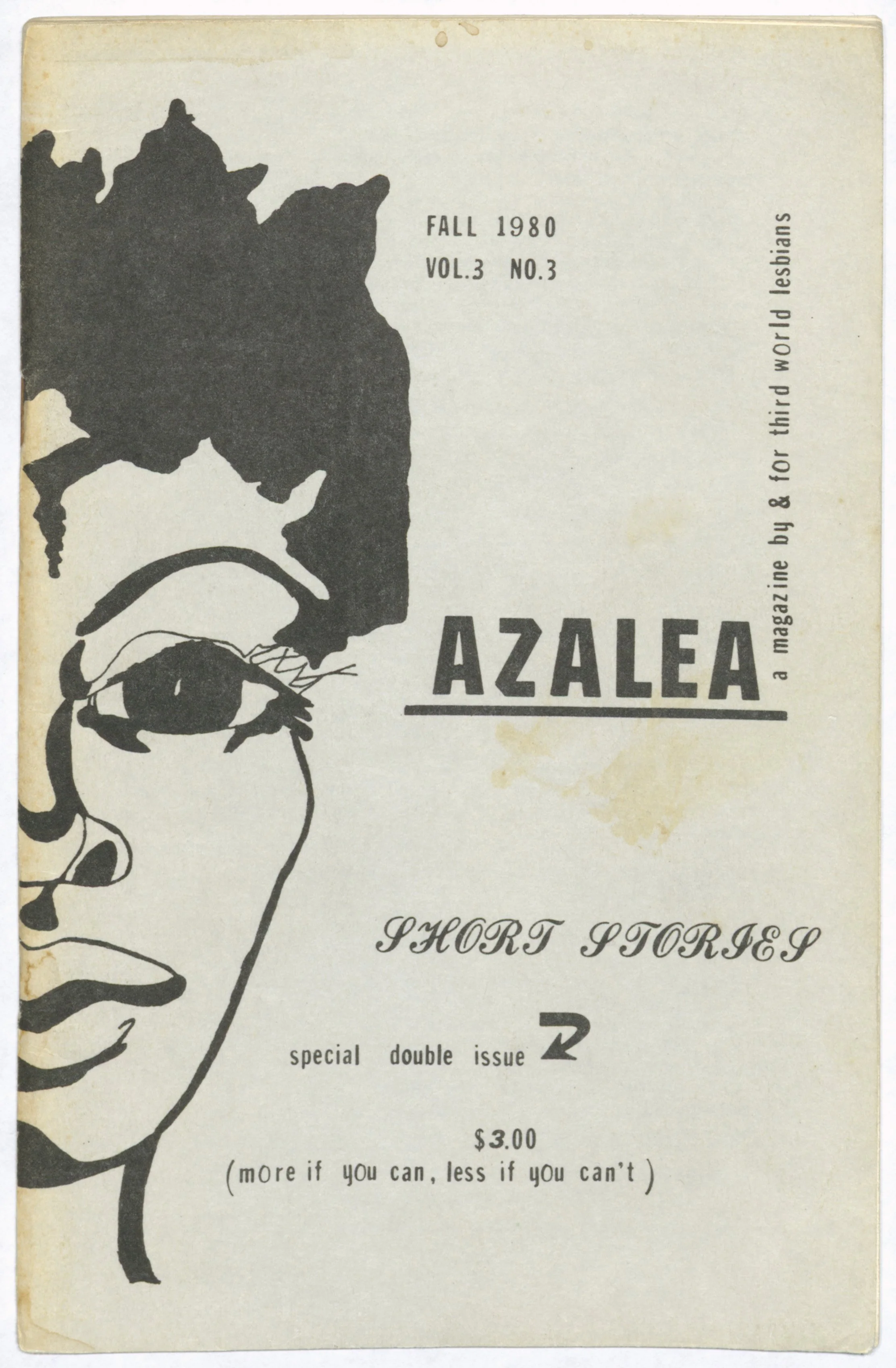
Writing collectives and their publications were also flourishing. These included journals for Blackheart (Footnote 6) and TheGap Tooth Girlfriends* (Footnote 7); and Azalea: A Magazine by and for Third World Lesbians, (Footnote 8) and the Salsa Soul Sisters/Third World Women's Gay-zette, produced by the Salsa Soul Sisters, Third World Wimmin Inc. Collective (Footnote 9), all based in New York.
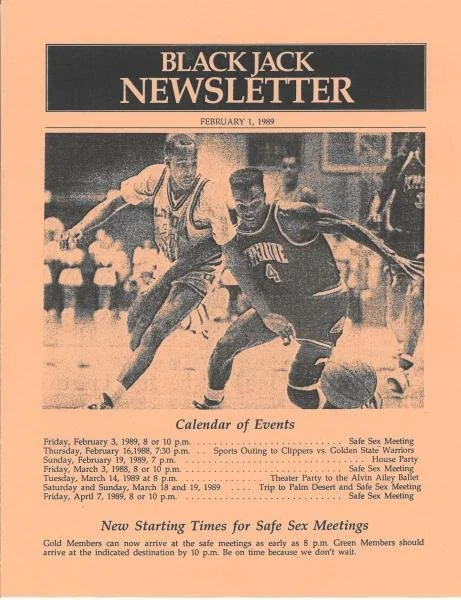
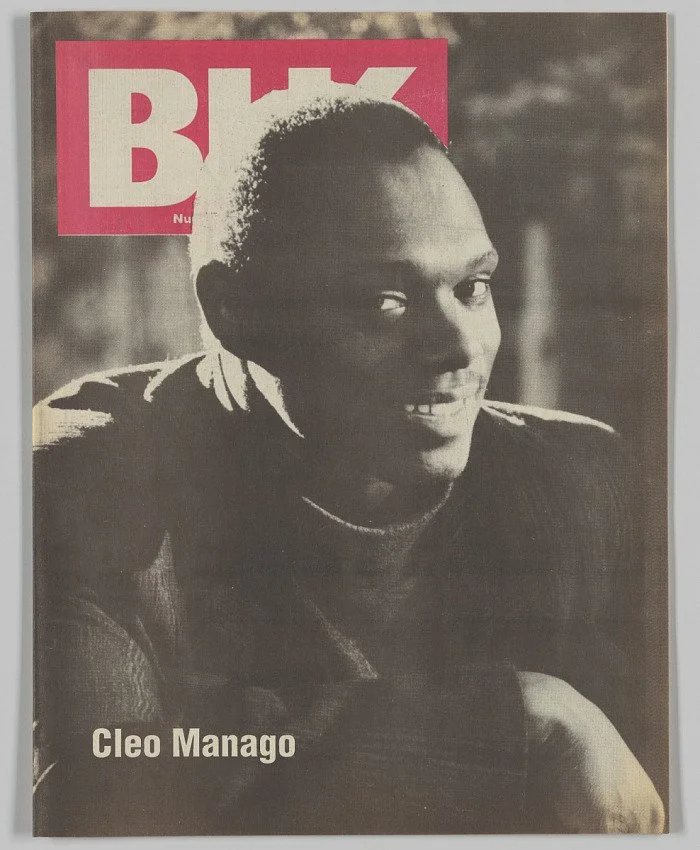
Alongside these were independently publications like Black Jack Newsletter (Los Angeles), MOJA: Black & Gay, BLK: The National Black Lesbian & Gay Newsmagazine, and The Pyramid Periodical (all based in New York). Even conferences, such as the D.C. Black Gay Men and Women's Community Conference, produced a newsletter that documented this growing movement.
It's also important to note the role of Kitchen Table: Women of Color Press (Boston, New York), founded in 1980. While best known for landmark anthologies like This Bridge Called My Back and Home Girls (Footnote 10), the press also published its Freedom Organizing Pamphlet Series. These pamphlets featured work by the Combahee River Collective, Audre Lorde, Angela Y. Davis, and others. Kitchen Table also served as a distributor for more than one hundred titles by women of color from independent presses.
In his essay "Joseph Beam's World Wide Web," poet Reginald Harris (Footnote 11) reflects on Joe's role as what he calls a cultural animator. Joe was part of a vast network of writers who found each other not only for publishing opportunities, but for survival and support. Joe himself explained it this way: he wasn't just an editor. He was often a confidant and a friend. He listened to stories of heartbreak, job struggles, and creative blocks. And in turn, those conversations---those letters and phone calls---pulled him through his own moments of exhaustion and depression. They supported each other.
“Joe was part of a vast network of writers who found each other not only for publishing opportunities, but for survival and support.”
When Joe died in December 1988, his mother, Dorothy, a retired social worker, was devastated. As part of her grieving process, she began tending to his papers. After Brother to Brother was published in 1991, Dorothy told a reporter that while organizing Joe's archive, she found dozens of 3-by-5 index cards filled with names and addresses from all over the United States and beyond. She was overwhelmed. Not only by how many people Joe knew, but by how many people knew him (Footnote 12).
Dorothy went on to lead the effort to complete Brother to Brother: New Writings by Black Gay Men (1991). She gathered the manuscripts Joe had received, contacted the writers and reassured them that the book would be published. She organized the material, while Joe's father, Sun, collected manuscripts from the post office, made copies, and sent them to poet Essex Hemphill in Washington, D.C.
As the project deepened, Dorothy invited Essex---and his cat, Ra---to move into her home in Philadelphia. Essex contributed by doing household chores in exchange for a place to live. Dorothy, meanwhile, cooked, managed the household, and personally covered the administrative costs of the anthology. The book rightly credits her as the project manager. As Dorothy later said, "Essex lived at my house for two years---almost three---and we finished it". (Footnote 13)
At the same time, the network that Black queer publications was expanding. Within their pages was an extraordinary range of subjects, genres, and visual styles that spoke directly to Black LGBTQ readers. Some professionally produced, and others entirely DIY---covered activists and organizations shaping political movements. They profiled Black LGBTQ writers and performing artists and reported on local and international news. They addressed health and wellness through HIV/AIDS education and prevention, safer-sex meetings, and open conversations about discrimination, racism, homophobia and confronted violence against gays and lesbians.
Just as importantly, they documented everyday life. Cartoons, classified ads, essays, fiction, interviews, letters to the editor, opinion pieces, poems, and advertisements for bars, baths, discos, phone sex lines, and family-centered stories filled their pages. Together, these elements reflected both the realities of daily life and the many ways community, connection, survival, and joy were imagined and sustained.
“For anyone interested in Black queer culture and history, these publications are essential. They demonstrate what it means to speak for yourself and to other Black people within a largely, White, colonial context.”
After Brother to Brother was published, Dorothy donated her son's papers to the Schomburg Center for Research in Black Culture in Harlem in 1992. That decision inspired the establishment of the Black Gay & Lesbian Archive, known now as the In the Life Archive, renamed in Joseph Beam's honor---an archive dedicated to Black LGBTQ experiences that I founded in 1999. Fifteen years later, Charles Stephens, director of the Counter Narrative Project, and this author edited Black Gay Genius: Answering Joseph Beam's Call (2014), an anthology that recognizes Beam's legacy and contributions to Black queer letters. To download a copy of Black Gay Genius: visit: https://www.thecounternarrative.org/blackgaygenius.
Today, archival collections preserve the work of many contributors from this era. Collections at the Schomburg Center for Alexis De Veaux, Cheryl Clarke, Craig G. Harris, Jewelle Gomez, Essex Hemphill, Brad Johnson, Colin Robinson, Assotto Saint, and, of course, Joe Beam, help us to trace this history through articles, letters, poems, and essays that speak to us now.
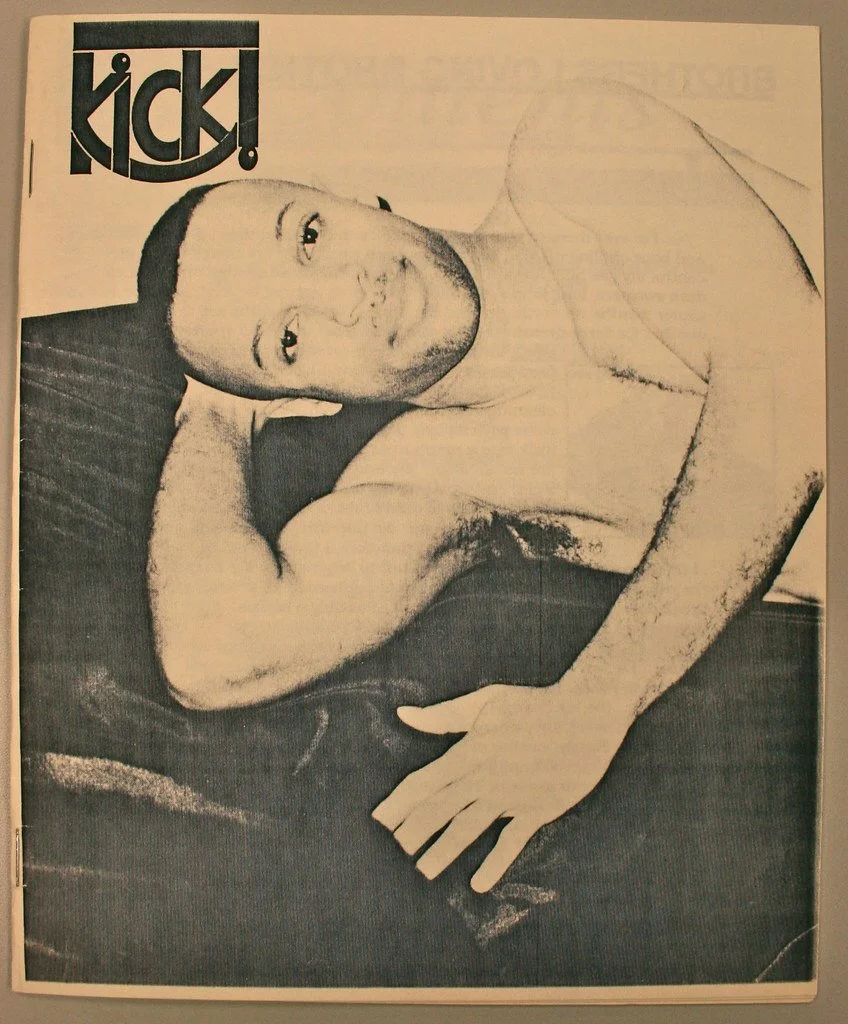
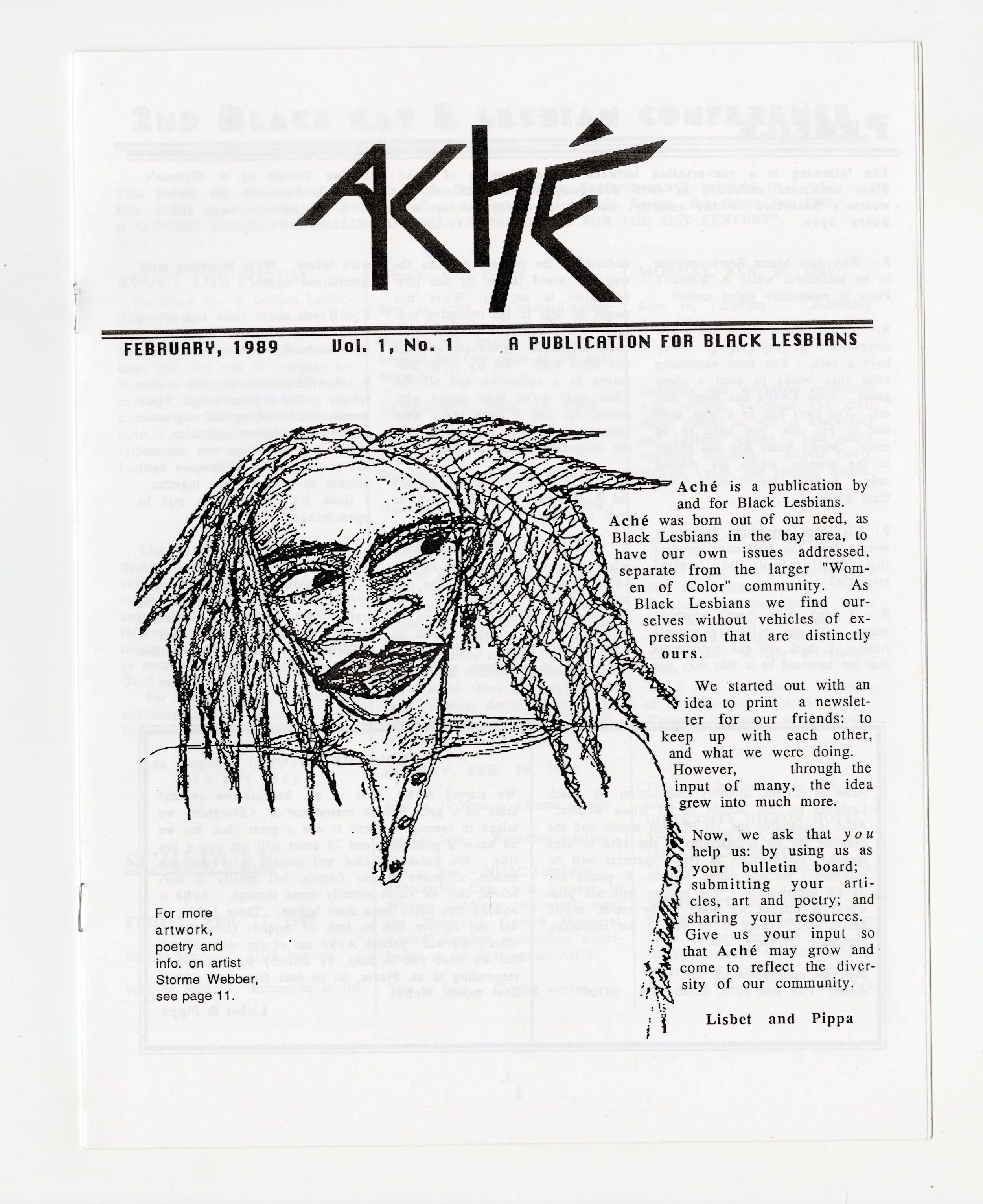
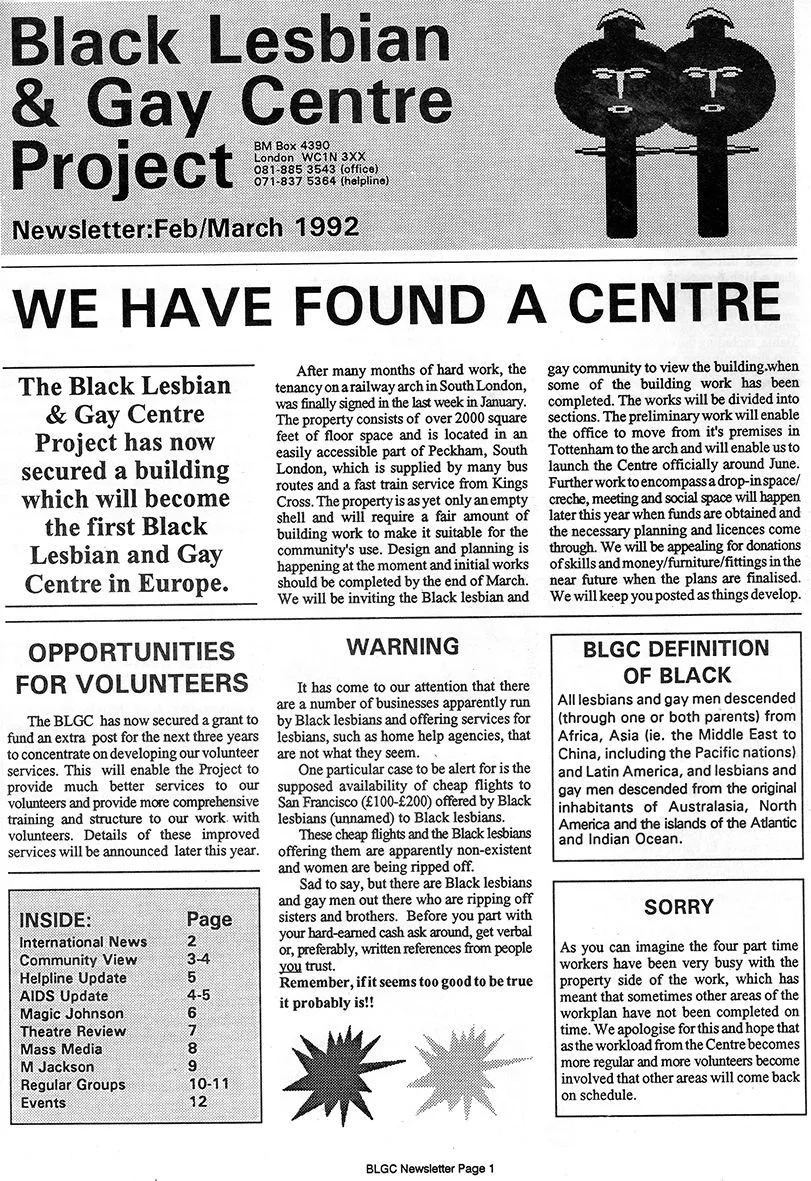
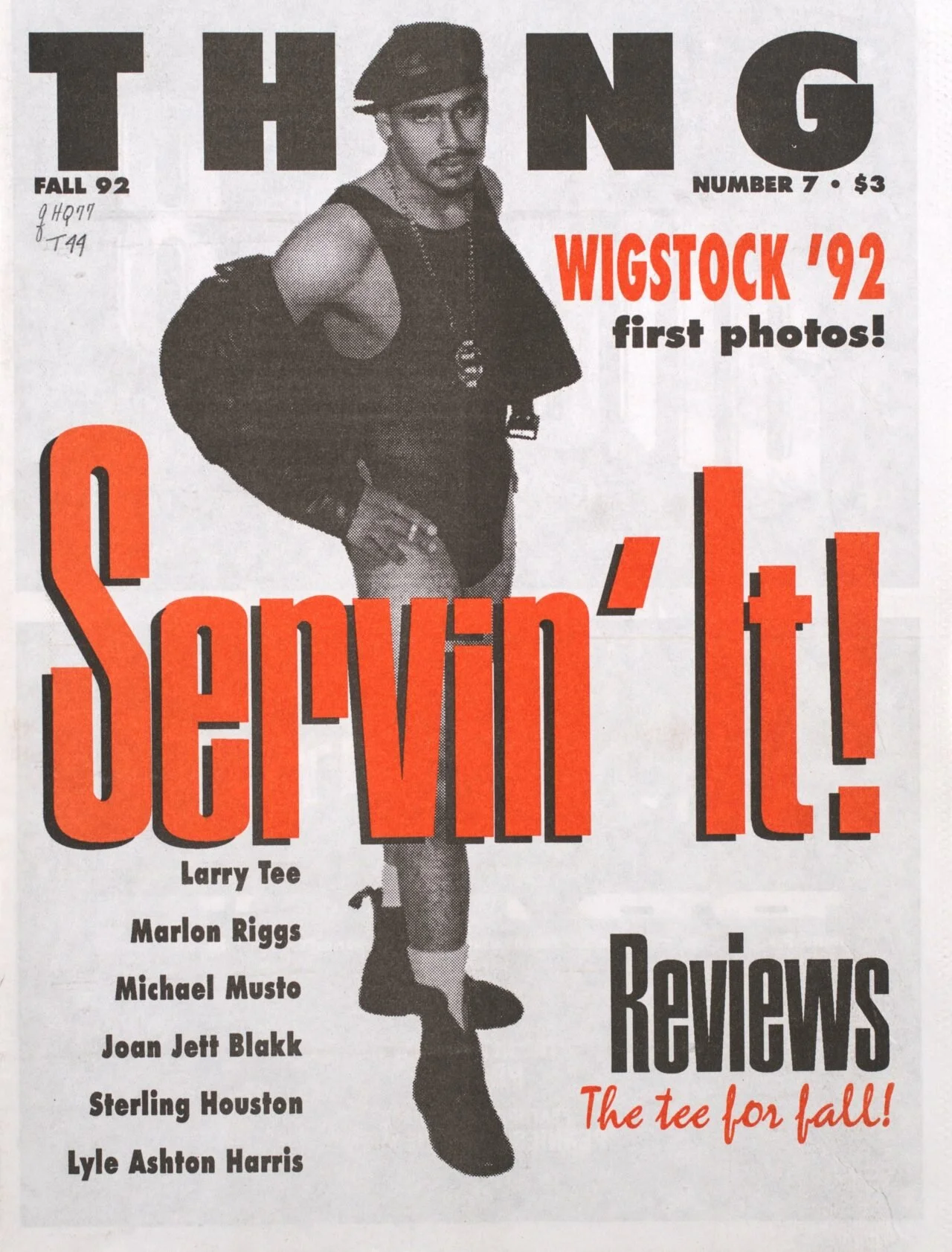
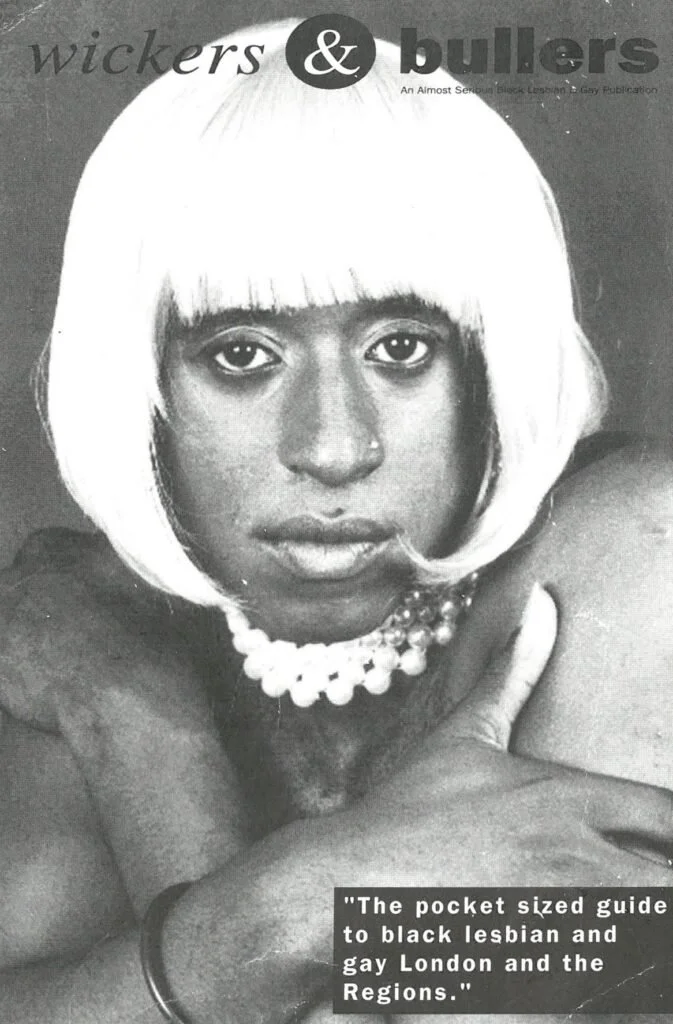
During this period, other local, national, and international publications also emerged. These included The Black Lesbian and Gay Centre Project and Wickers & Bullers: An Almost Serious Black Lesbian & Gay Publication(London); THING Magazine (Chicago); Kick Magazine (Detroit) (Footnote 14); Aché (San Francisco, Bay Area) (Footnote 15); Clikque (Houston); and Venus Magazine (Atlanta and New Jersey), among others.
For anyone interested in Black queer culture and history, these publications are essential. They demonstrate what it means to speak for yourself and to other Black people within a largely, White, colonial context. From New York to Atlanta, Philadelphia to Chicago, California to Washington, D.C., London to Kingston, Detroit to New Jersey, these literary communities responded to one another---informing, entertaining, affirming, and resisting oppression both within and beyond their spaces.
Archival Images
Footnotes
Despite the foundational activist work of transwomen, Marsha P. Johnson (Black) and Sylvia Rivera (Puerto Rican) with Street Transvestite Action Revolutionaries (STAR), it's important to note that during this period of cultural development, the voices, activism, and needs of transgender and bisexual people of African descent weren't often acknowledged, valued, included or amplified in many of these publications. STAR was an organization founded in 1970 by Johnson and Rivera, two Stonewall Riot veterans to advocate for LGBTQ rights. While STAR released statements, the organization doesn't appear to have produced a newsletter or journal.
Black/Out: The Magazine of the National Coalition of Black Lesbians and Gays, Volume 1 Number 1, Summer 1986. Retrieved January 19, 2026. https://bcrw.barnard.edu/archive/lesbian/Black_Out_Magazine.pdf
See Joseph Beam Papers, Schomburg Center for Research in Black Culture. https://archives.nypl.org/scm/20666
The Association of Black Gays was founded in July 1975, in Venice Beach, California. The founders of the group came together because of their experience of discrimination from the larger White male gay community. The group published a quarterly journal, Rafiki. See In the Life Archive (ITLA) Miscellaneous Collections, Schomburg Center for Research in Black Culture. Retrieved January 19, 2026. https://archives.nypl.org/scm/21212#detailed
See Jamaican Gay Freedom Movement records, Schomburg Center for Research in Black Culture. Retrieved January 19, 2026. https://archives.nypl.org/scm/25674
Blackheart Collective. "Black Gay Men Expressing Themselves In Print." Article originally published in the New York Native, 1983. Retrieved January 19, 2026. https://structures-of-feeling.tumblr.com/BlackHeart.
See Alexis De Veaux papers, Sc MG 802, Schomburg Center for Research in Black Culture, Manuscripts, Archives and Rare Books Division. Retrieved January 19, 2026.
See Azalea: A Magazine by Third World Lesbians. https://en.wikipedia.org/wiki/Azalea:_A_Magazine_by_Third_World_Lesbians
See Salsa Soul Sisters Collection, Lesbian Herstory Archives. Retrieved January 19, 2026: https://docs.google.com/document/d/1WGsNvRGgbA_D9cDp97A4BMF18asHaB-4-0OCmkqZ94w/edit?tab=t.0
The basis for Home Girls was the journal Conditions 5, published in November 1979, edited by Barbara Smith and Lorraine Bethel. Conditions 5 was "the first widely distributed collection of Black feminist writing in the US."
See "Joseph Beam's World Wide Web," Black Gay Genius: Answering Joseph Beam's Call, Vintage Entity Press, 2014, and Reginald Harris Papers. Schomburg Center for Research in Black Culture, Manuscripts, Archives and Rare Books Division.
Interview with Dorothy Beam by Marty Moss-Coane, Fresh Air, 1991. Retrieved January 19, 2026.
Ibid.
Kick Publishing Company boasts being the third Black American LGBT media company created in the country. The company proved to be a vital source of information, awareness, and an organizing tool at a critical time with the crisis of the HIV/AIDS pandemic and its impact on the gay and lesbian community. Kick Magazine by virtue of gaining national distribution placed Detroit's LGBT community on the international map and gave credence to the vision and the goals of the company. See https://www.lgbtdetroit.org/ourhistory.
Aché: A Journal for Lesbians of African Descent was an influential monthly magazine published from 1989 to 1993 (some sources say 1994 or 1995) that served Black lesbians, primarily based in the San Francisco Bay Area but with national and international reach.