

The Legacy of Essex Hemphill
In 2000, I wrote an introduction for a new edition of Essex Hemphill’s magnificent collection "Ceremonies." I pointed out what I believed to be that work’s purpose: remembrance as the only way to begin the process of healing the wound that white supremacy, poverty, homophobia, heterosexism, and most recently HIV/AIDS had inflicted upon us as Black Gay Men. (Cover image of Essex Hemphill by Barbara N. Kigozi, June 1994)
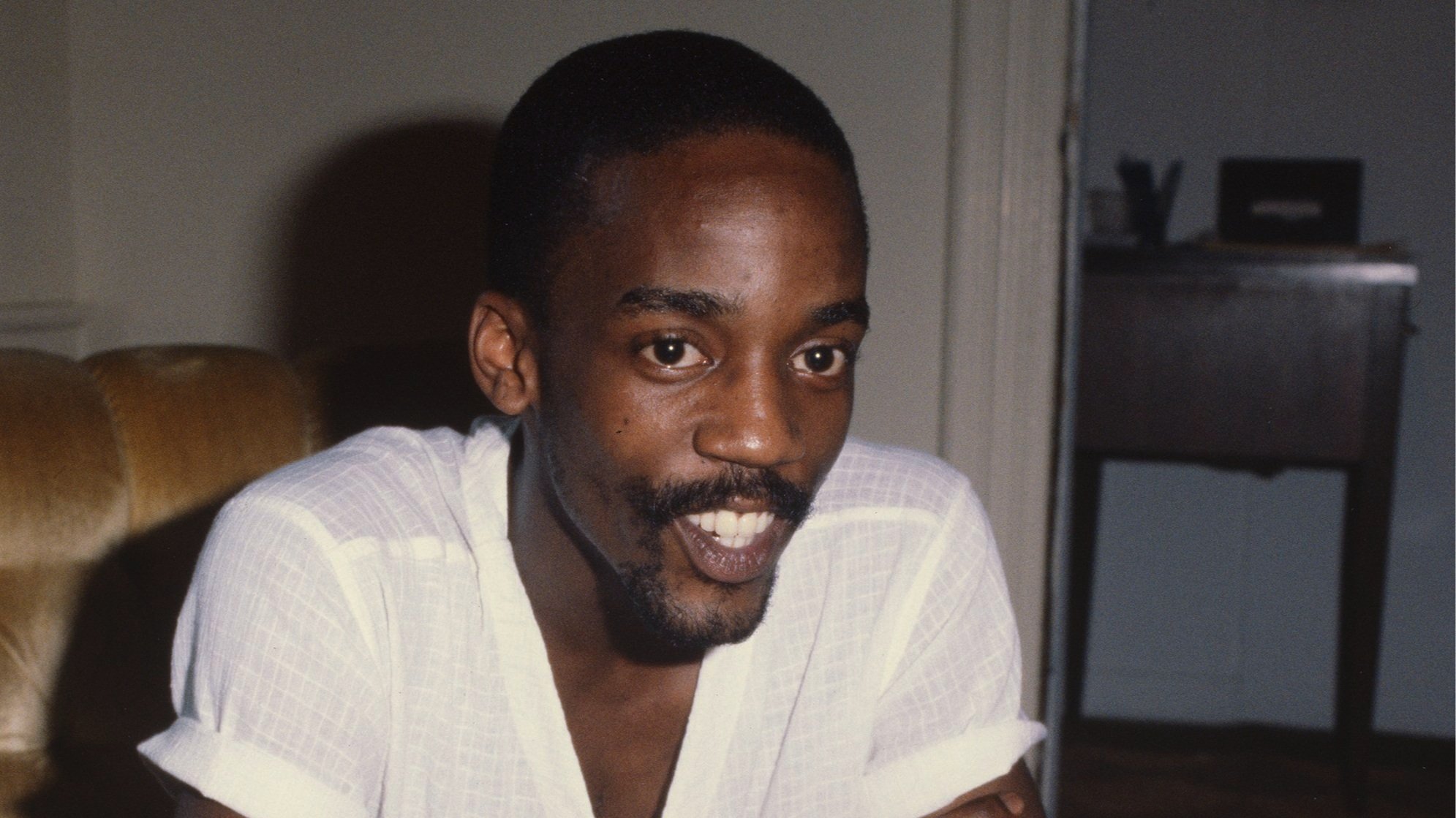
Remembering Essex Hemphill #HappyBirthdayEssex
On Essex Hemphill's birthday on April 16, 2020 CNP hosted a virtual reading of the artist’s work. Since the founding of CNP, we have honored the life and legacy of Essex. Our organization is a love letter to him. (Cover photo of Essex Hemphill by Dr. Ron Simmons © Ron Simmons TA2019.38.1.1.1.8)

Helping Each Other Feel Possible: Dr. Alexis Pauline Gumbs on Audre Lorde and Melvin Dixon
Dr. Alexis Pauline Gumbs joined us to discuss her connection to Audre Lorde. Dr. Gumbs is currently writing a biography of Lorde called "The Eternal Life of Audre Lorde."

Helping Each Other Feel Possible: Dr. Alexis Pauline Gumbs on Audre Lorde and Melvin Dixon
Dr. Alexis Pauline Gumbs joined us to discuss her connection to Audre Lorde. Dr. Gumbs is currently writing a biography of Lorde called "The Eternal Life of Audre Lorde." During this conversation Dr. Gumbs discusses Lorde's connection to Joseph Beam and Essex Hemphill. She also discusses Melvin Dixon's 1992 keynote at the OutWrite Conference "I'll Be Somewhere Listening For My Name."

‘Fierceness Served!’ Documentary Ensures Story of Black D.C. LGBTQ Coffeehouse Lives On
Sandwiched in an alleyway on the northeast side of Washington D.C., Black queer, gay, and lesbian artists like Wayson Jones cultivated fertile ground in a coffeehouse. What they did in the cramped space is the stuff of legends, yet the coffeehouse is long gone—much like the city of old. A documentary recently released online captures what the coffeehouse meant—and continues to mean—to Washington, D.C. as well as to Black and queer histories.
"Fierceness Served! The ENIKAlley Coffeehouse" has been making its rounds at select screenings. The ENIKAlley Coffeehouse was a performance and rehearsal space for a cohort of artists, a gathering spot; plus a meeting place for political organizations. This was almost hallowed ground for Black artists to share and workshop their craft. Jones, Essex Hemphill, Cheryl Clarke, Audre Lorde, Blackberry, Casselberry-Dupree, and Pomo Afro Homos all stepped foot into the former carriage house-turned-coffeehouse between 8th, 9th, I, and K Streets, NE. The space at 816 Eye Street, NE was brick, the size of a large walk-in closet, but had great acoustics.
"The intimacy lent itself to that feeling of being part of the family," Jones said.
The film "Fierceness Served! The ENIKAlley Coffeehouse," celebrates this time.
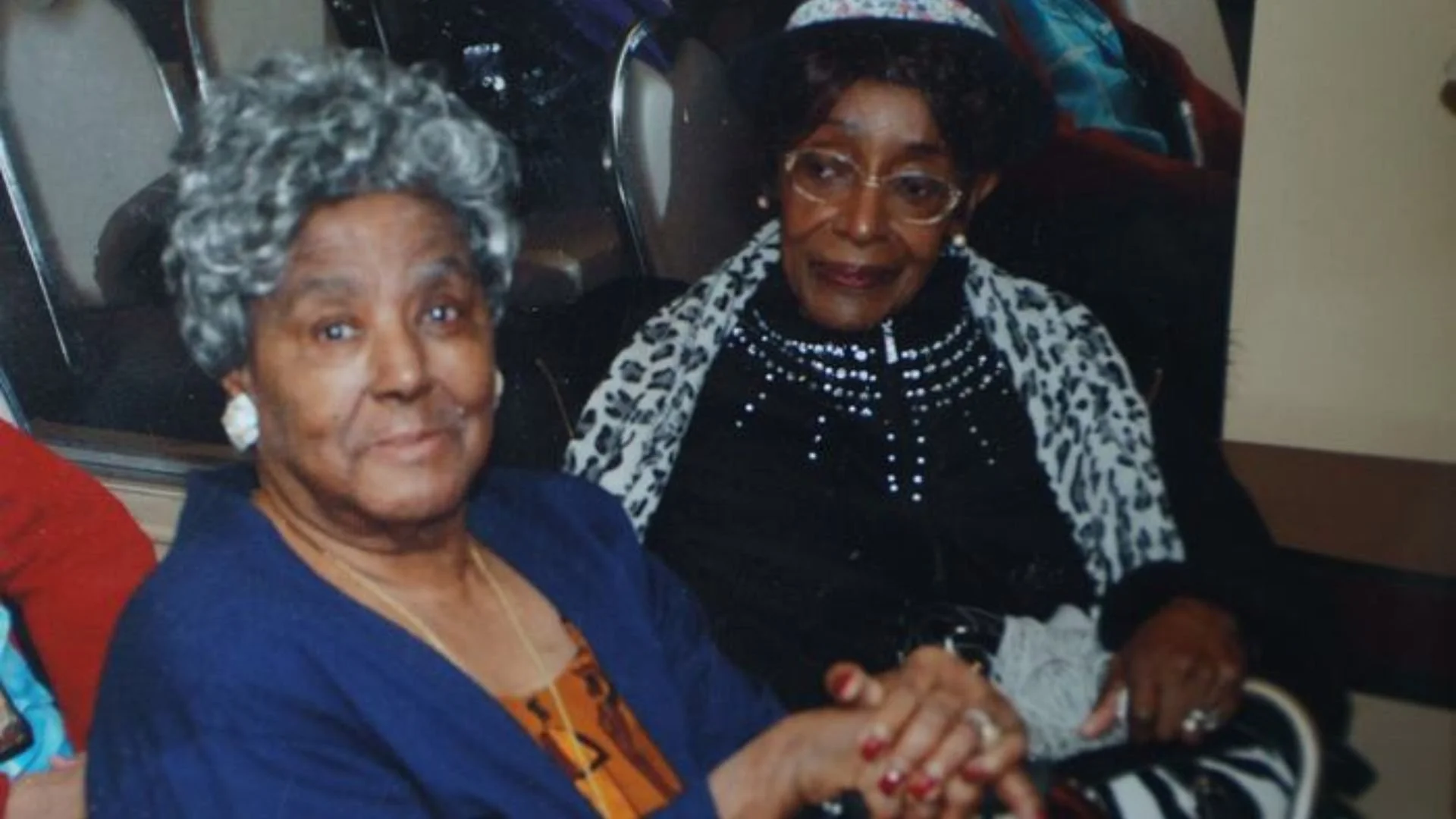
A Mother’s Love: Honoring the Fierceness of Dorothy Beam on Mother’s Day
For Mother’s Day, Johnnie Ray Kornegay III pays tribute to Dorothy Beam, the mother of celebrated Black gay anthologist Joseph Beam, whose devotion to her son's legacy transformed personal grief into a powerful act of advocacy. After Joseph's death from AIDS-related complications in 1988, Dorothy refused to let his unfinished work disappear; instead, she collaborated with poet Essex Hemphill to complete Brother to Brother: New Writings by Black Gay Men (1991), a landmark text in Black LGBTQ+ literary history.