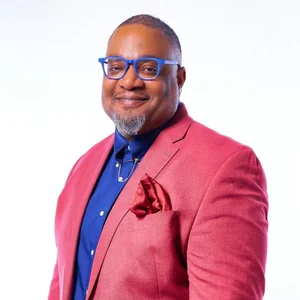
Antonio Brown Seeks Mayoral Seat to Make History, Move Atlanta’s LGBTQ+ Community Forward
When he joined the Atlanta City Council, Antonio Brown was seemingly unknown to most. What many did not know, however, is that he had an extensive background in community engagement and organizing.
“Before coming onto City Council, I was doing work in and for the city’s LGBTQ+ community,” Brown told the Reckoning. “I hosted fundraisers, did work around HIV/AIDS prevention and youth homelessness. Folks knew me, but not on the Atlanta City Council level.”
Now Brown, who currently represents Atlanta’s District 3 (Vine City, English Avenue, and Atlantic Station), is one of 14 candidates vying for the city’s top job—mayor.
Of the 14 that have qualified for the race, Brown is one of five candidates with name recognition. The other four include Kasim Reed, Atlanta’s controversial ex-mayor; City Council President Felicia Moore; Post 3 At-Large Councilman Andre Dickens; and Dentons attorney Sharon Gay.
And like Reed, whose two terms as mayor were mired with numerous federal investigations, Brown will soon face trial for allegedly faking loan documents to purchase a Mercedes C300 and a Range Rover, according to reports.
“For me, and I have said this before, representation matters. And it baffles me that the City of Atlanta has never had true LGBTQ+ representation at the helm of city government. I believe it’s time.”
Brown is charged with “wire fraud, mail fraud, bank fraud and making false statements,” according to Project Q. Even though investigators allege he “took out thousands of dollars in loans and opened several credit cards to make personal purchases before falsely claiming his identity had been stolen,” Brown maintains his innocence.
He is alleged to have committed the fraud before joining the city council in 2019 following a special election to replace Councilman Ivory Lee Young Jr. who died from cancer in November of 2018. Young was 56.
Legal woes aside, there are a number of reasons why Brown is running. Top of that list is becoming the city’s first open member of the LBTQIA+ community to serve as mayor.
“For me, and I have said this before, representation matters,” he said. “And it baffles me that the City of Atlanta has never had true LGBTQ+ representation at the helm of city government. I believe it's time. It’s time we have a government that is inclusive of all of its citizens.”
Getting The Job Done
Integral to his platform is support for the city’s LGBTQ+ community. He points out that he is the only candidate for mayor that has done extensive work for the LGBTQ+ community, including passing legislation for a PrEP education mobile truck. The mobile unit provided not only PrEP education but also made the HIV-prevention drug available to citizens who would not have had access otherwise.
“That did not happen before. When you look at prior mayoral administrations, not much has been done for the LGBTQ+ community; not on a grand scale. Most citywide politicians operate in this political bubble and are disconnected from the work that people are doing and need to be done.”
Moving people forward who need resources and support will be at the core of his administration. His plans include cutting new HIV rates in the city by 40 percent in his first four years; reform HOPWA, the city’s broken HIV housing program; and create an LGBTQ+ community center.
Take, for instance, HOPWA. He describes the city’s management of the program as problematic. Currently being managed by the Office of Grants & Community Development, Brown is convinced the program is being managed by the wrong department in city government. By moving HOPWA under the management of the Office of Housing & Community Development, Brown believes the city will have greater success in supporting its partner's endeavors while avoiding current issues like late payments and low morale.
To cut the city’s HIV rates, Brown plans to put together an advisory board of experts from the Center for Disease Control and Prevention, health officials from the state government, and local community leaders to develop solution-oriented strategies. He also hopes to collaborate with leaders from other major cities, like San Francisco, and glean from their strategies. His goal is to cut the rate within the four years of a first term.
“There is a lot that needs to happen. And it is time that we all realize we have the power to affect change in this city. It is time that we grab a hold of that power and we begin to wield it, to manifest a city that truly represents all of Atlanta.”
For the LGBTQ+ center, he plans to model it after centers in New York and Los Angeles. In addition to the center providing a gathering spot for LGBTQ+ Atlantans, he also intends for there to be healthcare and other social services available, as well as cultural arts and education programming, and leadership and professional development training.
“Atlanta’s LGBTQ+ community has been left behind in a lot of ways,” he said. “And it's unfortunate. We do not do a good job lifting up others, especially those that have been disenfranchised and incapable of accessing resources, services, and opportunities that should be available to them. It can be done. It has been done in other major municipalities. And for a city like Atlanta, it should be done.”
There are also other issues Brown believes should be of great concern and importance to not just the LGBTQ+ community, but all of Atlantans.
“I have not heard a lot of talk from my colleagues on the city council or any of the other candidates about the meth epidemic,” he said. “It is ravaging communities in and around the city. I have seen it with my own eyes.”
Brown has asked leaders from the state and Fulton County to commit to a collaboration to address the issue. Organizations, like the Dream Center Foundation in Los Angeles, have been successful at addressing the epidemic. Brown believes the same can be true for Atlanta. For 25 years, he said, they have been on the frontlines, helping individuals who have struggled with meth addictions to overcome through a series of comprehensive, holistic programs.
“And it actually works,” he said. “By building a partnership with the Dream Center Foundation, we can create a pathway for those living with addictions and help them heal so that they can become active participants in society.”
Brown also wants to create better pathways for Atlanta citizens to overcome poverty and other plights that are hindering their ability to thrive in Atlanta. Through additional home ownership programs and career development programs, Brown believes underserved communities can begin to build access to generational wealth.
“There is a lot that needs to happen,” said Brown. “And it is time that we all realize we have the power to affect change in this city. It is time that we grab a hold of that power and we begin to wield it, to manifest a city that truly represents all of Atlanta. And it cannot be the folks who have been part of this system for years.”
(Cover image by Alyssa Pointer / Alyssa.Pointer@ajc.com)